

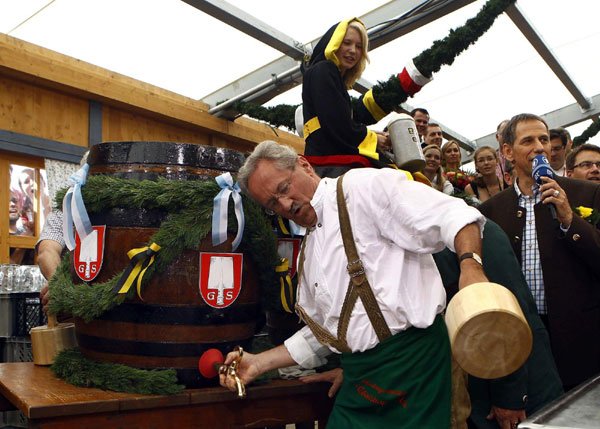
Across Munich, Oktoberfest preparations begin in earnest as organizers construct massive festival tents and local breweries finalize logistics ahead of the world famous autumn celebration that draws millions of visitors from around the globe each year.
The festival grounds transform dramatically during this preparation period, with construction crews assembling the enormous beer tents that will host the bulk of festival activities. This process requires weeks of coordinated effort involving numerous contractors and festival organizers working against a fixed opening deadline.
Local breweries participating in the festival spend this period finalizing their specific beer recipes and production volumes, ensuring adequate supply for the millions of liters typically consumed throughout the multi week celebration that has become synonymous with German culture worldwide.
Traditional costume preparation also intensifies during this period, with local shops reporting increased demand for authentic lederhosen and dirndl outfits as both residents and visitors prepare their attire for the festivities. These traditional garments remain central to the festival’s cultural authenticity and visual identity.
Hotel and accommodation bookings throughout Munich typically reach capacity well before the festival’s actual opening, reflecting the massive scale of international tourism the event generates each year. Many visitors plan their trips months in advance given the overwhelming demand for lodging during this period.
Security preparations have become an increasingly important component of festival planning in recent years, with organizers implementing comprehensive safety measures designed to protect the enormous crowds that gather throughout the festival’s multi week run each autumn.
Local transportation authorities also prepare extensively for the festival period, anticipating significantly increased demand across public transit systems as visitors travel to and from festival grounds throughout each day of the celebration, particularly during peak evening hours.
Food vendors throughout the festival grounds finalize their offerings during this preparation period, ensuring traditional Bavarian specialties remain available alongside the beer that headlines the celebration. These culinary offerings play a significant role in the overall festival experience for many attendees.
International visitors continue representing a substantial portion of festival attendance, with tour operators worldwide organizing dedicated travel packages specifically built around the celebration. This international appeal has transformed what began as a local celebration into a globally recognized cultural event.
Economic impact studies consistently demonstrate the festival’s substantial contribution to Munich’s local economy, with the multi week celebration generating significant revenue for hospitality businesses, transportation services, and retail establishments throughout the greater metropolitan area each year.
As opening day approaches, anticipation continues building among both local residents and the international visitors preparing to travel for the celebration. This preparation period represents the final push before one of Europe’s most recognizable cultural celebrations officially welcomes its first visitors of the season.
