

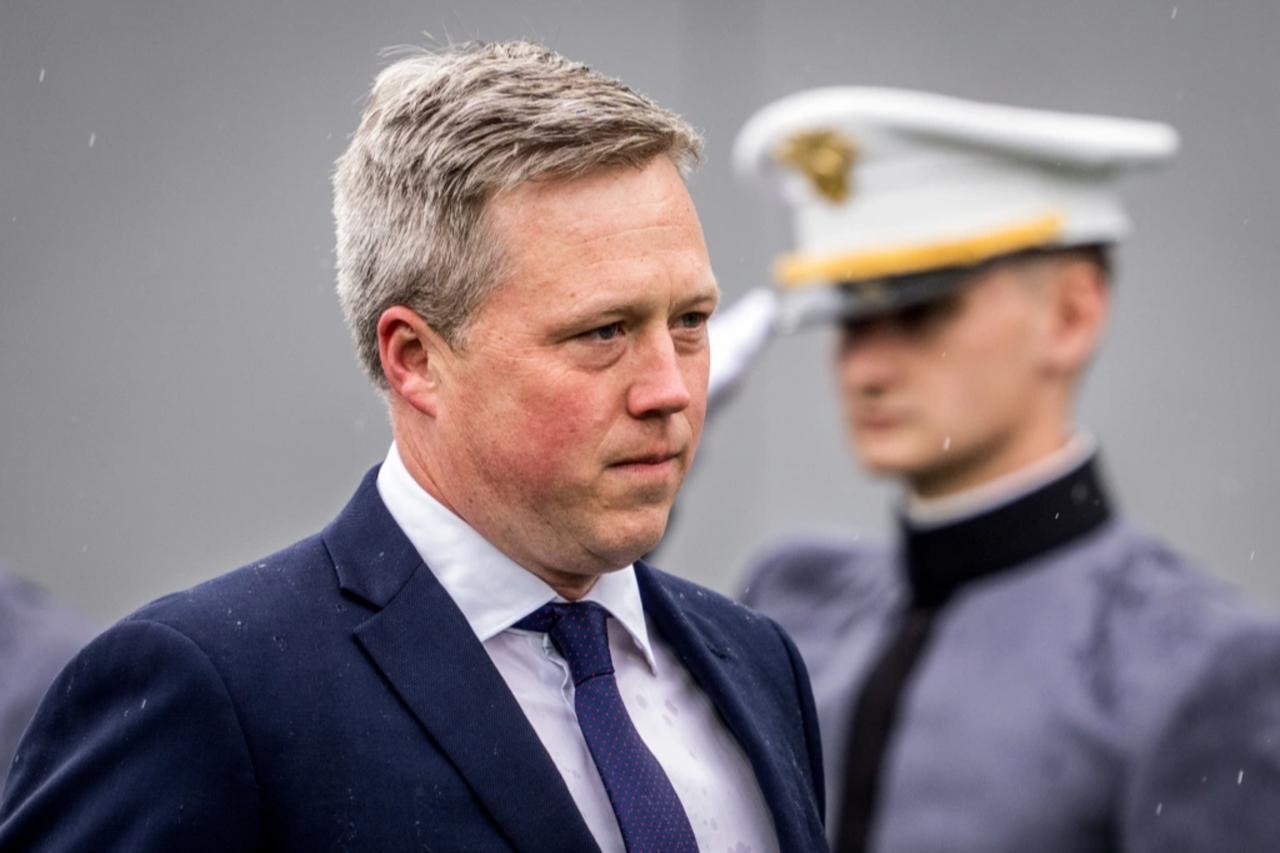
The news that Army Secretary Driscoll resigns has sent ripples through Washington, capping months of reported friction between the top civilian Army leader and the defense secretary. Driscoll submitted his resignation directly to the president after disagreements over the military branch’s future direction.
Sources familiar with the situation describe ongoing tension between Driscoll and the defense secretary over a range of issues, including decisions about senior officer positions within the Army. The disagreements reportedly built over several months before culminating in this week’s resignation.
Driscoll had served in the role since earlier in the administration, overseeing policy and budget matters for one of the largest branches of the American military. His departure marks a significant leadership change at a time when the Pentagon continues navigating multiple ongoing military commitments around the world.
Officials familiar with the internal dynamics describe disagreements over the pace and direction of organizational changes within the Army. Tension reportedly grew as decisions about removing certain senior officers created friction between Driscoll’s office and the defense secretary’s broader vision for the military.
The resignation comes during an especially active period for the Pentagon, with American forces currently engaged in operations in the Middle East following recent strikes near the Strait of Hormuz. Leadership changes during active military operations often draw additional scrutiny from lawmakers and defense analysts.
Congressional reaction to the resignation has been mixed, with some lawmakers expressing concern about stability within military leadership during a sensitive period. Others have downplayed the significance, noting that leadership transitions are a normal part of any large government organization.
The White House has not yet announced a permanent replacement for the role, though officials indicate that a nomination process will begin promptly. In the interim, deputy officials within the Army are expected to manage day to day operations until a new secretary is confirmed.
This departure adds to a broader pattern of turnover within senior defense and military leadership positions this year. Personnel changes at this level often reflect deeper disagreements over strategy, priorities, or management style between civilian leadership and career military officials.
Defense analysts note that friction between civilian leaders and military officials is not unusual, particularly during periods of significant organizational change. However, the public nature of this resignation suggests disagreements had reached a point where continued cooperation became untenable.
Driscoll has not issued an extensive public statement regarding his departure, though sources close to him indicate he plans to address the resignation more fully in the coming days. His future plans following his time in the administration remain unclear at this stage.
As the search for a replacement begins, attention will turn to how quickly the administration can fill the role and whether the transition affects ongoing decisions about Army personnel and strategy. For now, this resignation stands as one of the more notable leadership shakeups within the defense establishment this year.
