

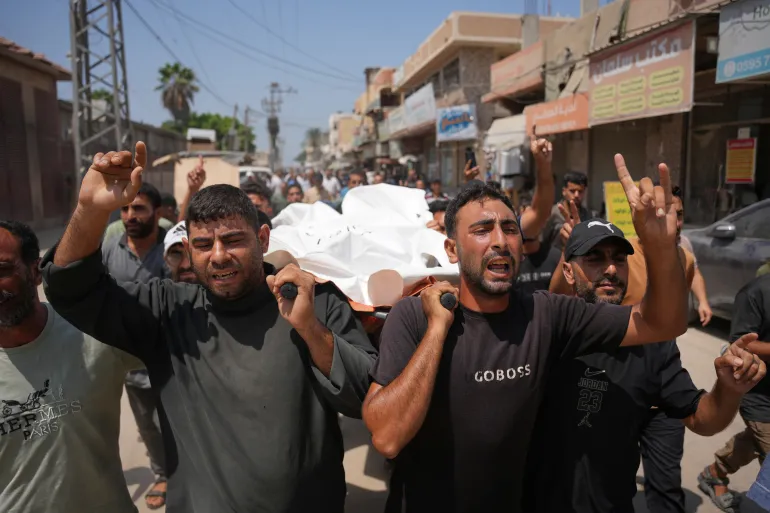
A fresh Gaza ceasefire violation has been reported after a strike hit a medicine warehouse near a hospital in the central part of the territory. Medical workers say three people were hurt in the incident. The warehouse stored supplies meant for patients across the region.
The strike adds to growing tension around a fragile truce that has been in place for months. Both sides have accused each other of breaking the terms of the agreement at different points since it began. This latest incident is likely to draw fresh criticism from international observers watching the situation closely.
Medical staff say the warehouse played a key role in storing supplies for local clinics and hospitals. Damage to the site could disrupt care for patients who depend on steady access to basic medicine. Aid groups have long warned that healthcare infrastructure in the region remains fragile after years of conflict.
Officials have not yet given a full account of why the strike happened. Some reports suggest the area may have been mistaken for a different target. Others question whether the ceasefire terms cover certain types of buildings near hospitals. A clear explanation has not yet been offered by military officials.
International reaction has been swift. Aid organizations are calling for an investigation into the strike and stronger protections for medical facilities going forward. Diplomats involved in brokering the ceasefire are expected to raise the incident during upcoming talks aimed at keeping the truce intact.
This is not the first reported breach since the ceasefire began. Various incidents have occurred in recent months, ranging from small skirmishes to more serious strikes. Each new event adds pressure on mediators trying to hold the agreement together and avoid a full return to fighting.
For civilians living in the region, incidents like this bring fresh uncertainty. Many families have already endured years of disruption to daily life, including limited access to food, water, and medical care. News of a strike near a hospital raises fears about further damage to essential services.
Humanitarian workers stress that hospitals and medical warehouses should remain protected under international law, regardless of ongoing political tension. They argue that damage to these sites puts vulnerable patients, including children and the elderly, at greater risk of harm.
Regional leaders have called for calm and restraint from all sides. Several governments involved in ceasefire negotiations are pushing for a quick review of what happened and steps to prevent similar incidents in the future. Talks are expected to continue in the coming days.
Despite the tension, the broader ceasefire framework remains technically in place. Neither side has formally withdrawn from the agreement, though trust between the parties appears to be wearing thin. Analysts say incidents like this test how durable the truce truly is under pressure.
As investigations move forward, attention will turn to whether mediators can secure firm commitments to prevent further strikes near hospitals and aid sites. The coming weeks will show whether this latest violation becomes a turning point or simply another entry in a long list of ceasefire breaches.
