

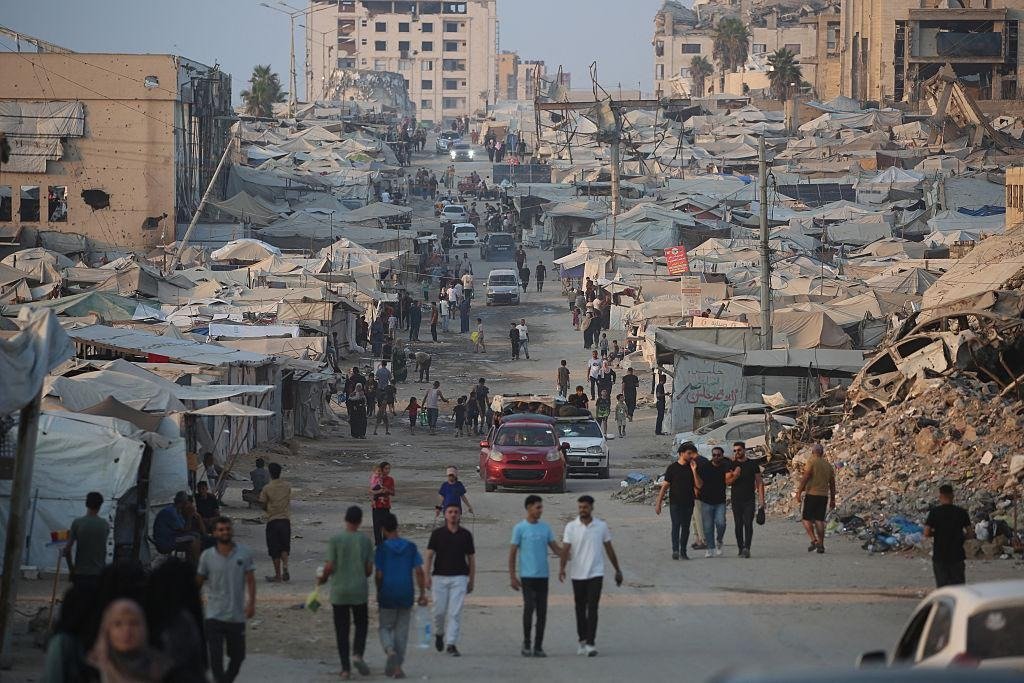
Pressure on the Gaza ceasefire has grown after new Israeli strikes and a warning over kites flown from the territory. The latest events have raised fresh concern about the fragile calm and the safety of civilians across Gaza.
Parents in Gaza were urged on August 25 to stop children from flying kites. Israel has warned that kites, balloons and drones launched from Gaza could be treated as threats. The warning came after fears that Hamas could use kites in attacks across the border.
The issue has caused anger among aid groups and Palestinians. Kites are common among children in Gaza. For many families, they are simple toys. The warning has therefore added to fears that normal life for children may be affected by the wider conflict.
The kite dispute comes after deadly attacks in Gaza. At least four people, including two children, were killed in Israeli strikes on August 24, according to reports. The attacks took place even after a US delegation had asked Israel to reduce military action.
The reported deaths included a four year old boy in the Bureij refugee camp and a 10 year old girl in Khan Younis. Israel said it was targeting Hamas sites and weapon stores. The reports added to concern over the effect of renewed violence on civilians.
The United States has been trying to support talks and keep the ceasefire from falling apart. Washington has also pushed for progress on plans for Gaza’s future. Those plans include security steps, aid and rebuilding.
But the latest attacks show how hard it is to keep the calm. Each new strike can raise anger and make talks more difficult. Each warning can also increase fear among families who have already faced long periods of war.
The humanitarian situation remains severe. Large parts of Gaza have been damaged. Many people have been forced from their homes. Families face shortages of basic goods and safe places to stay.
The United Nations and aid groups have continued to call for civilian protection. They have also stressed the need for more aid and safe access for relief teams.
The United States faces a difficult role. Washington has close ties with Israel but also wants a wider peace plan. The White House must now try to keep pressure on all sides while avoiding steps that could make the conflict worse.
The situation also matters to Europe. European governments have called for a lasting end to the war and for more humanitarian help. They are watching the US effort closely because American influence remains central to any deal.
Hamas has rejected Israeli claims that kite flying is a military threat. The group has also accused Israel of using the issue to justify more attacks. Israel says it must act against any threat from Gaza.
The two sides remain far apart on security and control. That gap is one of the main barriers to a lasting settlement.
The latest violence does not prove that the ceasefire has ended. But it shows how weak the calm remains. A small incident can lead to a larger exchange if both sides respond with force.
For Gaza’s civilians, the main concern is safety. Families need a stable period without strikes, threats and sudden moves. The coming days will show whether the latest tension fades or becomes another step toward wider violence.
For now, Gaza remains at the center of a major Middle East crisis. The United States, Israel, Hamas, Arab states and European governments all face pressure to prevent another major rise in fighting.
