

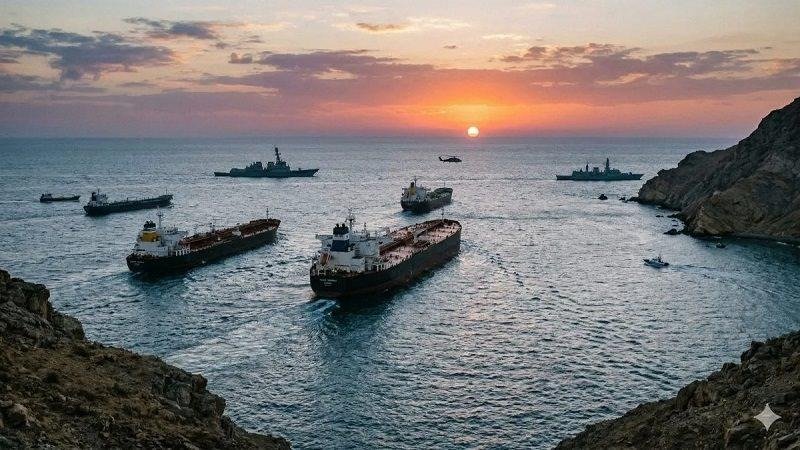
Shipping through the Strait of Hormuz remains far below normal levels as the Middle East crisis puts fresh pressure on global trade. Fewer than 20 cargo ships crossed the key waterway at the start of this week, according to shipping data. The fall has raised concern over oil supplies and wider trade flows.
The Strait is one of the most important sea routes in the world. It links the Persian Gulf with the Gulf of Oman and the wider Indian Ocean. Large amounts of oil pass through the waterway each day. Any long disruption can affect fuel prices in many parts of the world.
The latest shipping drop comes as the United States increases pressure on Iran. Washington has expanded sanctions on Iranian oil, shipping and other sectors. The new measures also warn firms in other nations that they may face penalties if they help Iran avoid US rules.
Iran has rejected the US pressure. The country has also warned that it will respond to moves that threaten its interests. The dispute has made ship owners and energy firms more careful about using the Strait.
The risk is not only about oil. The waterway also supports trade in gas and other goods. A long period of low traffic could raise shipping costs. It could also delay cargo and force some firms to use longer routes.
Higher costs can spread through the global economy. Ships that take longer routes use more fuel and need more time. That can raise the price of goods. Energy firms may also pay more to move supplies to buyers.
Oil markets are watching the situation closely. On August 25, oil prices fell more than 3 percent. Brent crude was near $89 a barrel, while US crude was near $82. The market reaction suggested that traders saw the new US sanctions as less likely to cause an immediate military shock to oil supplies.
Still, the fall in prices does not remove the risk. A new attack on ships or a major closure of the Strait could change the market very fast. Traders know that the waterway is hard to replace.
The United States has said its new sanctions are meant to put economic pressure on Iran. But the policy also creates a wider trade risk. Companies must now think about both the cost of doing business with Iran and the cost of losing access to US markets.
Shipping firms may also face more checks. Banks and insurers may become more careful when dealing with cargo linked to Iran. That could make some trade deals harder to finance.
The situation is also important for Europe and Asia. Many countries depend on energy from the Gulf. A long shipping crisis could raise costs for factories, airlines, trucks and homes. Countries that import large amounts of oil may face the biggest impact.
Asian markets are also watching China’s role. China is Iran’s top oil buyer and has rejected US pressure over trade with Tehran. If Washington expands sanctions against firms linked to Chinese trade, the dispute could grow into a wider economic clash.
For now, the main issue is whether shipping traffic can return to normal. A steady flow of ships would ease pressure on markets. A new fall could send a warning to traders around the world.
The Strait of Hormuz has long been a key part of the global energy system. The current crisis shows how quickly war and sanctions can affect trade far beyond the Middle East. Businesses will be watching the waterway closely as the US and Iran continue their dispute.
