

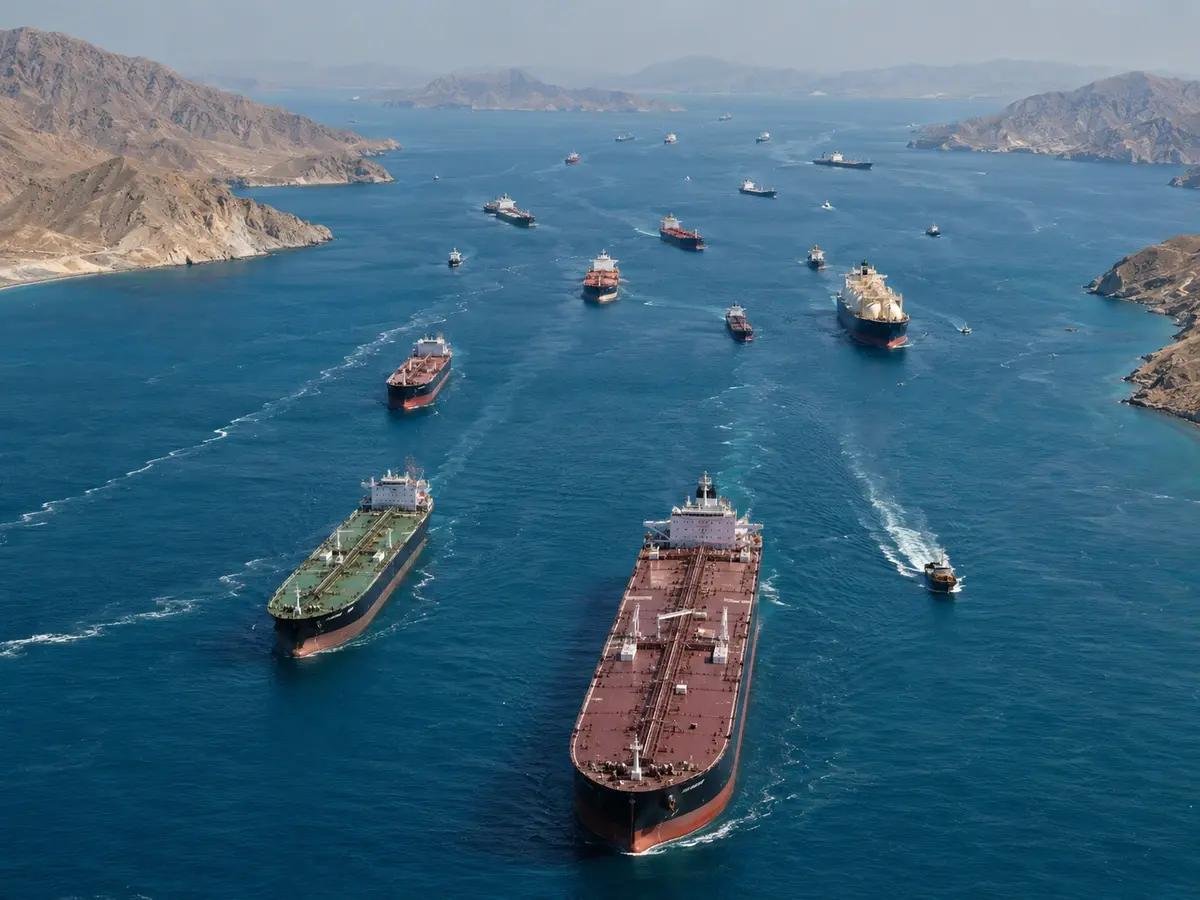
Diplomatic efforts to reopen the Strait of Hormuz are gaining pace as Iran faces growing pressure to restore normal shipping through one of the world’s most important sea routes. The move comes after months of conflict and tension in the region disrupted trade and forced many ships to avoid the waterway.
The latest talks are being pushed by Qatar and other regional powers. Qatar’s prime minister met Iranian leaders in Tehran as part of efforts to lower tensions and find a path back to safer sea traffic. Iran is now preparing conditions that it says must be met before normal shipping can fully return.
The Strait of Hormuz is a narrow waterway between Iran and Oman. It links the Persian Gulf with the Gulf of Oman and the wider Indian Ocean. Its role in global energy trade makes any long closure a major concern for governments, oil firms and shipping companies.
About one-fifth of the world’s oil normally passes through the strait. The recent conflict sharply reduced that traffic. Shipping volumes have remained far below normal levels, even after some vessels began moving again. The disruption has added pressure to energy markets and raised concern over fuel costs in many countries.
Iran has said that any return to normal shipping must take account of its security concerns. Earlier demands linked to the crisis have included an end to the US blockade and relief from sanctions. Tehran has also worked with Oman on plans for a safer shipping corridor.
The current diplomatic push is important because the region has already faced a major economic shock. Tankers carrying oil and gas have been delayed. Some crews have been left waiting for safe passage. Companies have also had to change routes, which can add both time and cost to shipments.
The United States has taken steps to help some ships move through the area. Its forces have cleared mines and helped create safer conditions for vessels. Yet the overall flow of shipping remains much lower than before the conflict. Reports say hundreds of ships and thousands of seafarers have faced delays during the crisis.
The situation also has wider political meaning. Gulf states want to avoid another major military crisis near their borders. They depend on stable sea routes for energy exports and imports. A long disruption could hurt both producers and buyers and could add fresh pressure to already fragile economies.
Qatar’s role is therefore being watched closely. Doha has often acted as a mediator in regional disputes. Its latest talks with Iran show that Gulf states are seeking a diplomatic solution rather than relying only on military measures.
For Iran, reopening the waterway could also bring economic benefits. The country needs stable trade routes at a time when sanctions and conflict have put heavy pressure on its economy. Normal shipping could help restore some trade and reduce the risk of further economic isolation.
Still, a full return to normal traffic is not certain. Iran’s conditions have not all been made public, and the United States remains focused on economic pressure. Trust between the sides is also weak after months of conflict.
The Strait of Hormuz will remain a key test of whether regional diplomacy can turn a fragile period of calm into a more lasting settlement. If talks succeed, oil and shipping markets could gain some relief. If they fail, the waterway could remain a major source of risk for the global economy.
