

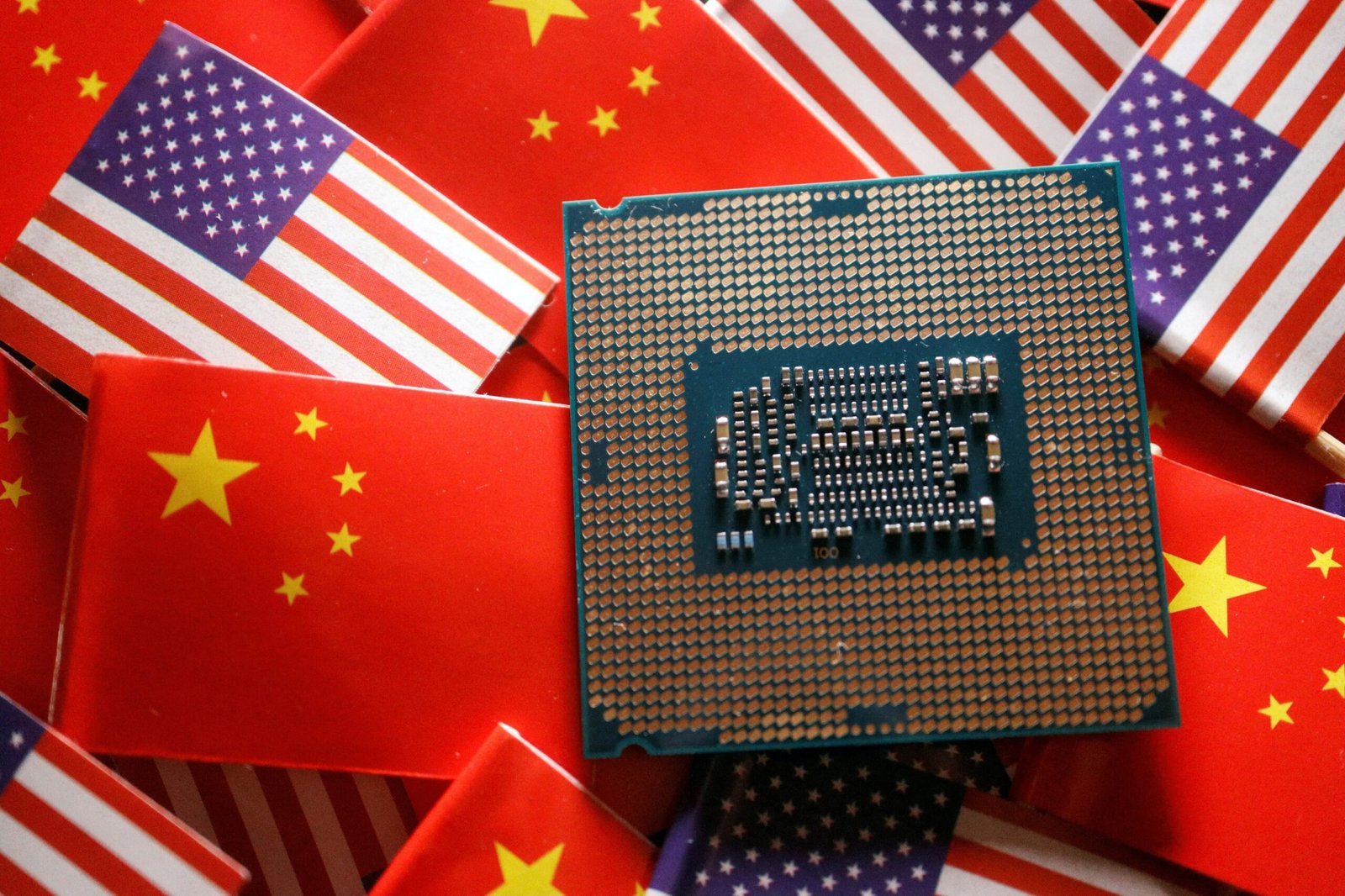
Tension between Washington and Beijing over advanced computer chips is sharpening once again, just as officials prepare for a planned summit on artificial intelligence. At the center of the dispute is who gets access to the powerful chips that power the world’s most advanced AI systems.
For years, the United States has restricted sales of top tier chips to China, arguing that Beijing could use them to boost its military and surveillance capabilities. Those rules have shifted back and forth many times, creating what industry experts call a confusing and unstable policy landscape for chipmakers and buyers alike.
The latest flashpoint involves reports that Chinese technology firms have found ways to access powerful chips indirectly, through servers based in other Asian countries. US officials say current export rules control the physical chips themselves but do not clearly cover remote access to that computing power over the internet. That gap has become a major headache for policymakers trying to keep tight control over the technology.
A proposed law in Congress aims to close that gap by expanding export controls to cover cloud-based access to restricted hardware. The bill has already passed the House of Representatives but remains stuck in the Senate. Cloud computing companies have pushed back, warning that new rules could saddle them with heavy compliance costs and slow down business.
Washington’s stance has swung sharply over the past year. Restrictions were tightened, then eased, then tightened again, following shifting political pressure and trade talks. At one point, the administration allowed sales of an advanced chip to China on the condition that the US government receive a cut of the revenue, a move that drew criticism from both supporters and opponents of a tougher China policy.
Despite the back and forth, the practical impact on Chinese buyers has been limited. Reports suggest one major chipmaker has not seen meaningful shipments of its newest approved chip to China, even months after the rules eased. Analysts say lingering uncertainty on both sides has left buyers cautious about placing large orders that could be blocked again with little warning.
Beijing, meanwhile, continues pushing its own semiconductor industry to close the gap with US technology. Chinese officials argue that Washington’s restrictions unfairly target their economy and violate fair trade practices. Regulators in China have also opened investigations into major American chip firms, adding another layer of pressure to an already complicated relationship.
The stakes go beyond just chips. Both governments view leadership in artificial intelligence as central to future economic and military power. Analysts estimate the US still holds a significant lead in AI computing capacity compared to China, even accounting for chips that may have reached Chinese firms through indirect channels.
The upcoming summit is expected to bring together senior officials and technology executives from both countries. While no breakthrough is expected, officials on both sides have signaled interest in finding at least some areas of cooperation, even as the broader rivalry continues.
For now, the chip dispute remains a defining feature of the US-China relationship, shaping decisions in boardrooms and government offices alike. How the standoff resolves could shape the balance of technological power for years to come.
