

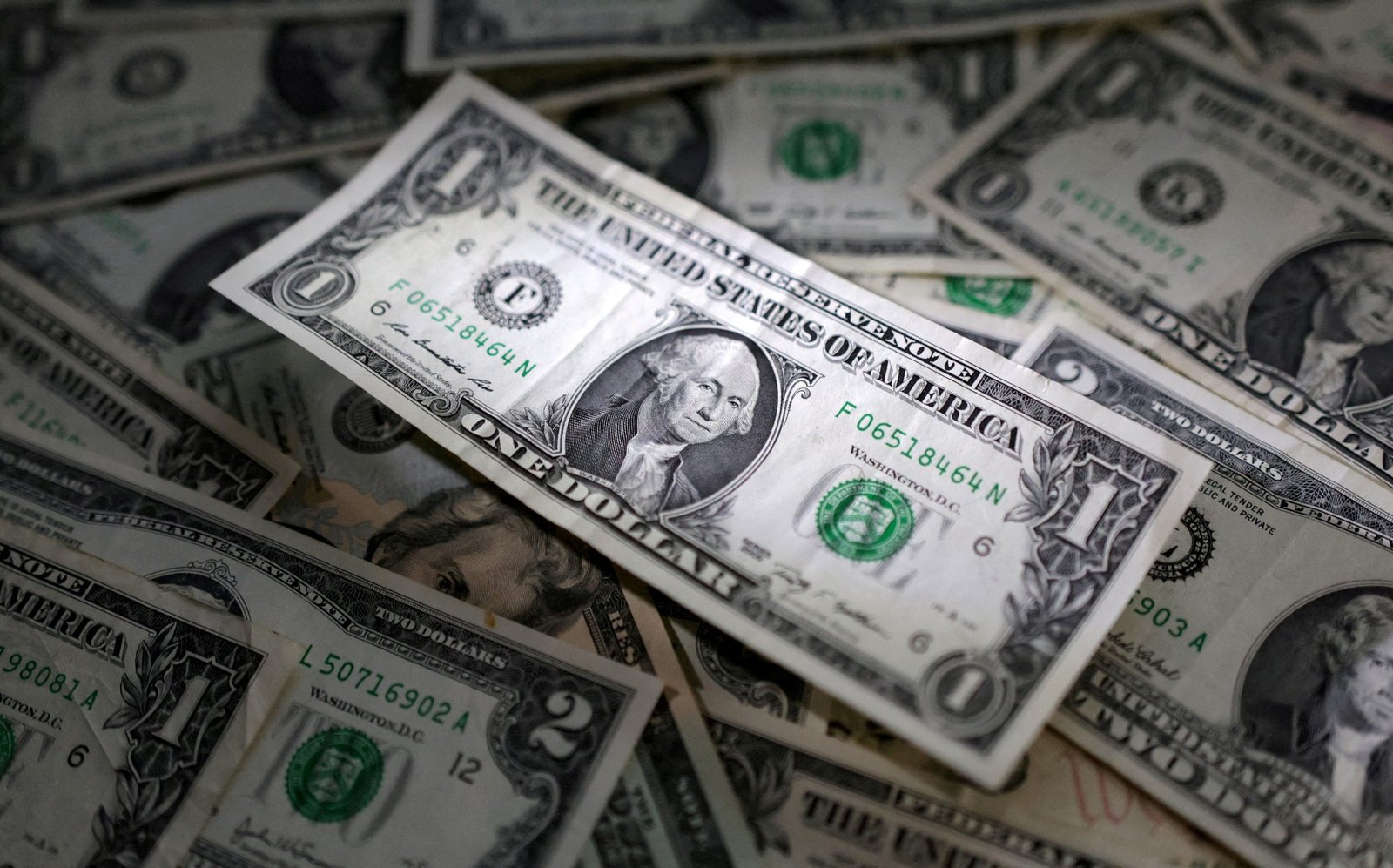
The US dollar remained near a high not seen for around 18 months on Monday as investors reacted to growing tensions in the Middle East and prepared for new American inflation data. The dollar’s strength reflects demand for assets viewed as relatively safe during periods of uncertainty. Traders are also trying to judge how energy prices and the cost of living may affect future decisions by the Federal Reserve.
The conflict in the Middle East has added pressure to energy markets. Attacks involving Saudi Arabia and shipping routes have increased concerns about the supply of oil and the safety of regional transport. Oil prices have moved sharply as traders assess the risks. The dollar has also been affected by uncertainty surrounding the proposed energy ceasefire between Russia and Ukraine, which could influence future energy supplies if it becomes a real agreement.
Investors are now focusing on the US Consumer Price Index report expected later in the week. The figures will help show whether higher energy costs are feeding into wider prices. If inflation rises more than expected, the Federal Reserve could face pressure to keep interest rates high or consider further increases. Higher rates can support a currency by making its financial assets more attractive, but they can also raise borrowing costs for consumers and companies.
European currencies have faced pressure as investors consider political and budget concerns in France and other countries. The euro has recently lost ground against the dollar, while the British pound has also been trading cautiously. Market movements may change quickly as new data and political developments emerge. For now, currency traders are watching the Middle East, US inflation and central-bank policy for clues about the next major move.
