

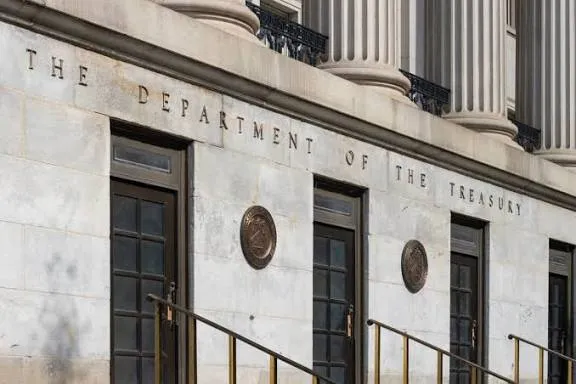
The Treasury Department’s latest debt purchase operation saw Treasury buyback falls short of investor expectations, repurchasing 5.19 billion dollars in government bonds during a targeted operation, coming in below the anticipated amount even after officials had signaled plans for expanded buyback activity.
This outcome occurred as government bond yields continued climbing to multi year highs, with the benchmark ten year Treasury note reaching levels not observed in roughly two decades, reflecting sustained investor concern about persistent inflation pressures compounding with rising energy costs.
The shortfall in buyback participation raises questions about market dynamics during this particularly volatile period, with some analysts suggesting bond holders may be reluctant to sell into the buyback program given expectations that yields could climb even further in the near term.
This latest operation followed Treasury Secretary Scott Bessent’s earlier announcement of plans to expand the department’s overall buyback program, with markets having anticipated more robust participation given officials’ stated intentions to support bond market liquidity during this challenging period.
Rising Treasury yields have created significant ripple effects throughout financial markets, contributing to elevated borrowing costs across the economy while also pressuring stock valuations, particularly for growth oriented companies more sensitive to changes in prevailing interest rate levels.
Market strategists note that the combination of surging oil prices, hotter than expected wholesale inflation data, and this underwhelming buyback participation has created a particularly challenging environment for bond market stability heading into next week’s Federal Reserve policy meeting.
The dollar strengthened to its highest level in roughly a week following this news, as currency traders assessed the combination of rising yields and persistent inflation concerns as supportive of continued dollar strength relative to other major global currencies during this period.
International bond markets have shown similar patterns of yield increases, reflecting how American monetary policy expectations and inflation concerns continue influencing global fixed income markets given the dollar’s role as the world’s primary reserve currency and benchmark asset.
Government debt management officials continue monitoring market conditions closely, weighing whether additional intervention might prove necessary if current yield trends continue pressuring broader financial market stability and increasing government borrowing costs going forward.
Economists remain divided about the appropriate policy response to current market conditions, with some advocating for more aggressive intervention to stabilize yields, while others argue that market forces should be allowed to find appropriate equilibrium levels reflecting genuine underlying economic conditions.
As markets continue navigating this challenging environment, all attention remains focused on today’s consumer price index data and next week’s Federal Reserve decision. This underwhelming buyback participation adds another layer of complexity to an already turbulent period for fixed income markets.
