

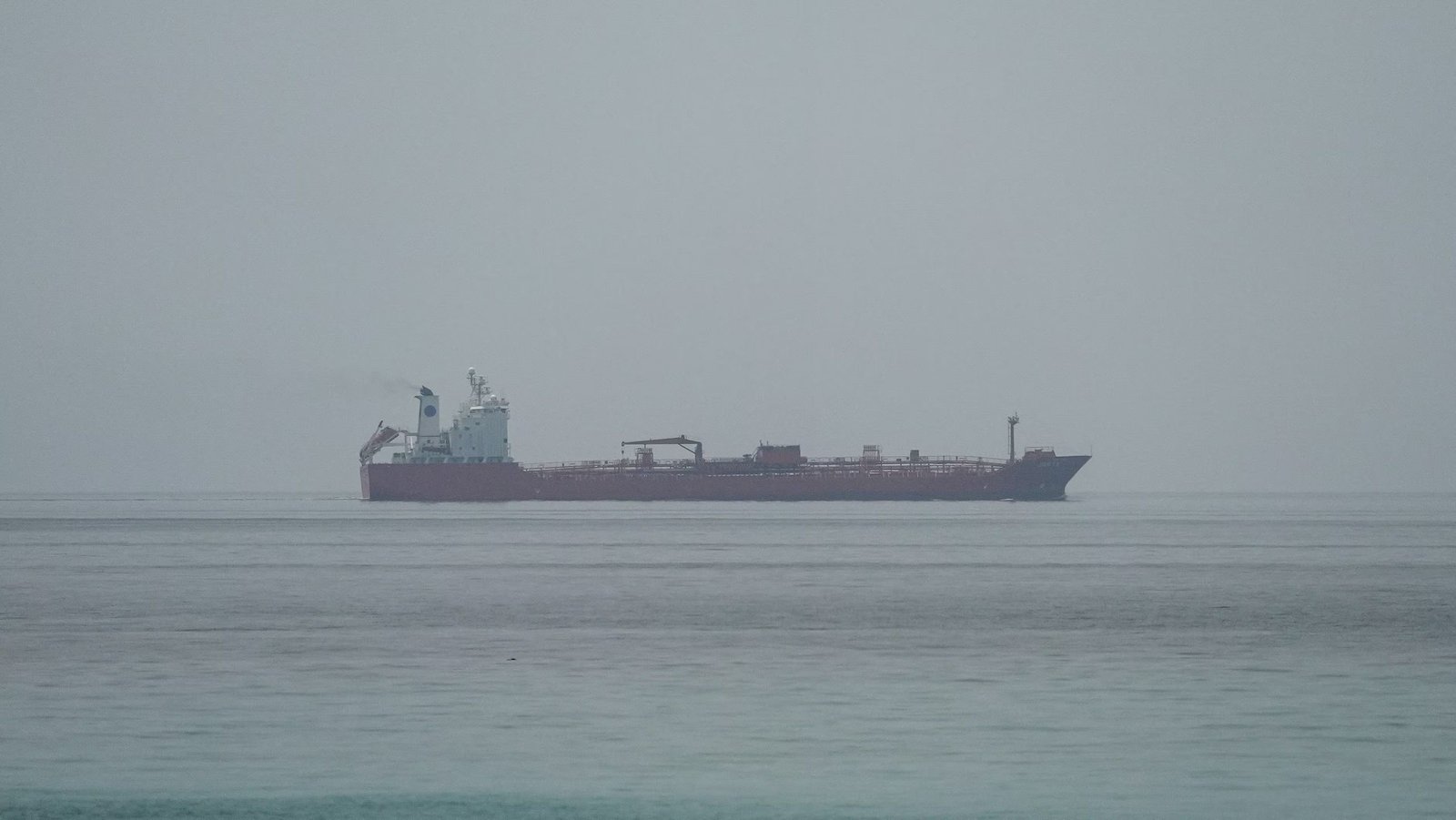
Oil exports from Gulf countries outside Iran recovered to more than 81 percent of their prewar level in September, showing that producers have managed to keep large amounts of crude moving despite attacks and major shipping risks. The data was reported on October 6, 2026, as the Middle East conflict continued to affect energy markets. Saudi Arabia played the biggest role in the recovery by sharply increasing its crude shipments during the month.
Oil flows from Saudi Arabia, Kuwait, Qatar, Oman, Bahrain, Iraq and the United Arab Emirates averaged about 19.2 million barrels per day in September. That compares with about 23.6 million barrels per day during the year before the Iran war began. The figures show that the region’s energy system has proved more flexible than many traders expected.
Producers have used different shipping routes and other methods to keep exports moving. Some tankers have switched off their tracking systems to avoid threats, with these so called dark transits helping some shipments continue during periods of high risk. Saudi Arabia was the main reason for the recovery, with its crude exports increasing by about 4.2 million barrels per day from August to September and reaching about 6.6 million barrels per day.
The increase helped offset lower exports from other Gulf producers. Iran’s exports fell to zero in September because of the US blockade, while Kuwait and Qatar also recorded lower shipments. The different results across the region show how some producers have been able to increase supplies even as others face serious restrictions.
The situation is different for refined fuels. Crude and condensate flows recovered to about 91 percent of their prewar level, but refined fuel exports, including liquefied petroleum gas, remained at only about 60 percent of the old level. That gap is important for consumers because diesel and jet fuel supplies have become tighter in several markets.
The Middle East is a major supplier of refined fuels, so disruptions in the region can quickly affect prices around the world. Fuel shortages can raise transport costs, while airlines, truck companies and other businesses may pass those higher costs on to consumers. This means that even a partial recovery in crude exports may not immediately bring relief to fuel users.
The market remains fragile even though crude supplies have improved. Analysts warn that daily flows are much more unstable than before the war, and a new attack on shipping or energy infrastructure could quickly reduce exports again. Saudi Arabia has already faced attacks on its energy system, with drone attacks forcing the kingdom to close its East West Pipeline for a period last month and temporarily stop crude loading at Yanbu.
The recovery shows that producers can adapt, but adaptation comes at a cost. Longer shipping routes, higher insurance bills and greater security measures make each barrel more expensive to move. This is one reason oil prices can remain high even when crude supplies are recovering, as the risks involved in moving energy across the region continue to affect the market.
The Group of Seven countries have also agreed to release emergency stocks of diesel and crude. The move is designed to add supply and reduce pressure on global markets, but emergency reserves cannot solve every problem. If shipping remains dangerous and refining capacity stays limited, fuel prices could remain high despite the additional supply.
The October 6 data therefore provide both positive and negative signals for the energy market. The positive side is that Gulf producers are still able to move large amounts of crude, while the negative side is that the system remains exposed to military attacks and shipping problems. For countries that depend on Middle Eastern energy, the next stage of the conflict will be closely watched.
A long period of stable exports could calm markets and reduce some of the pressure on energy prices. Another major attack, however, could quickly reverse the improvement and disrupt supplies again. For now, Gulf oil flows are recovering, but the global energy system remains under pressure as the Middle East war continues.
