

The United Nations Command, the multinational military body established to oversee the armistice that ended active fighting in the Korean War, formally determined this week that North Korea violated the terms of that decades-old agreement following the discovery of an anti-personnel landmine on the South Korean side of the Demilitarized Zone. The determination carries significant institutional weight given the Command’s specific role in monitoring and enforcing compliance with the armistice framework since its original signing in 1953.
According to the Command’s statement, an on-site investigation conducted jointly with South Korean military personnel confirmed that a North Korean landmine had been placed south of the Military Demarcation Line that divides the two Korean states. Based on these findings, officials concluded that a clear violation of the Armistice Agreement had occurred, a determination that adds considerable institutional authority to South Korea’s own earlier assertions regarding North Korean responsibility for a related explosion that injured South Korean soldiers.
The Command indicated it is addressing this violation through what it described as established Armistice mechanisms, the formal diplomatic and procedural channels that have historically governed how such breaches get documented and communicated between the two sides. This process typically involves official notification to North Korea regarding the specific violation, though the practical impact of such notifications has historically varied given North Korea’s inconsistent engagement with these formal channels over the decades.
Xavier Brunson, who commands the United Nations Command alongside his parallel roles leading the Republic of Korea-U.S. Combined Forces Command and United States Forces Korea, oversees an institution that has maintained its core mission of preserving the armistice and facilitating whatever diplomatic engagement proves possible between the two Koreas since the conflict’s active fighting concluded. This latest formal violation determination represents one of the more significant findings the Command has issued in recent memory.
North Korea has firmly rejected the underlying narrative supporting this violation finding, with a statement issued under the name of Kim Yo-jong characterizing the entire investigation as fabricated and denying that North Korean personnel had crossed the demarcation line as part of any border fortification activity. This flat denial, despite the formal international determination to the contrary, illustrates the persistent challenge of achieving any shared factual understanding between the two sides regarding incidents along their shared and heavily militarized border.
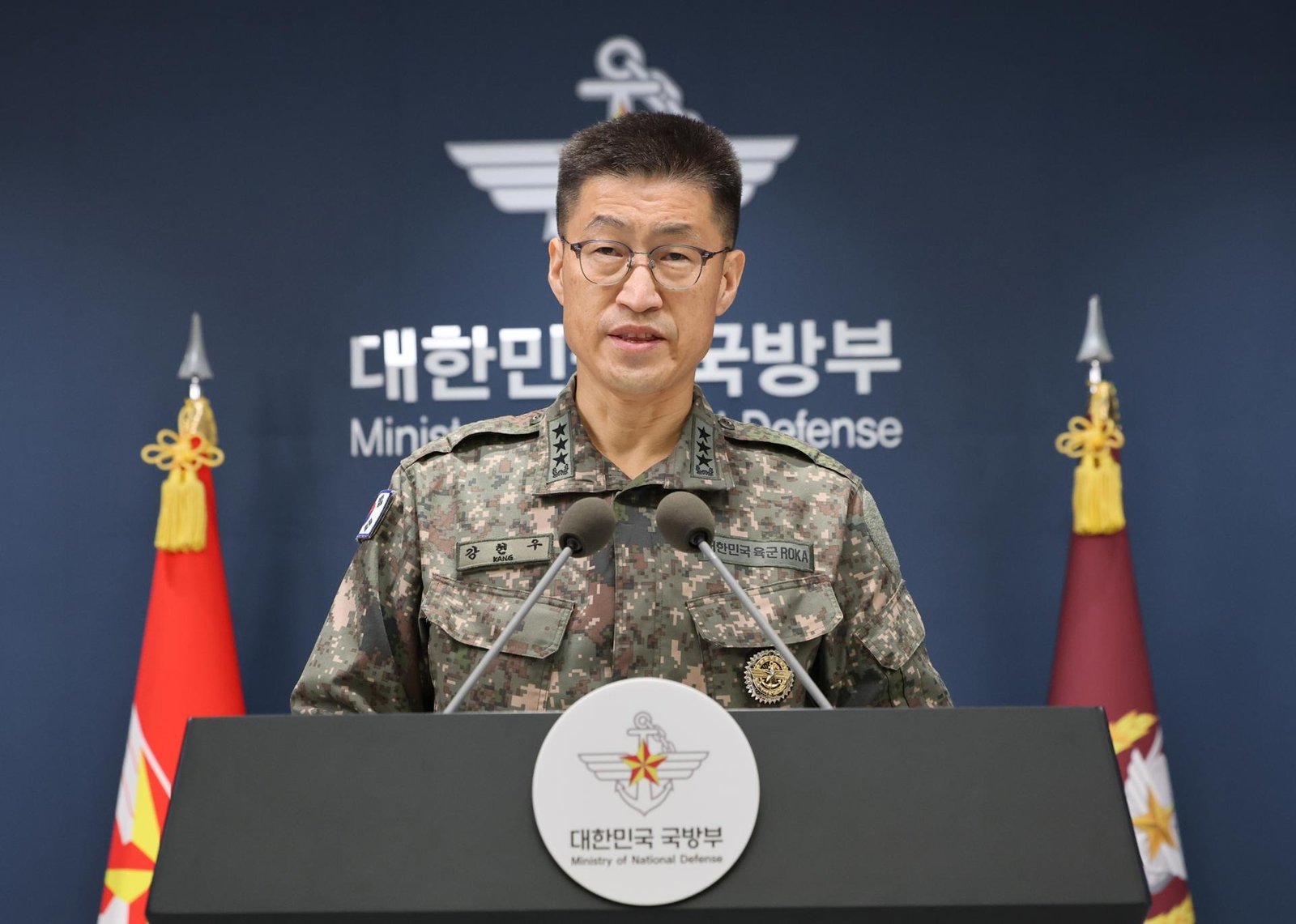
South Korean officials have welcomed the Command’s formal determination as validation of their own military’s earlier assessment, with Defense Minister Kang Shin-chul having already characterized the incident as a clear violation and explicitly assigning responsibility to North Korea during testimony before the National Assembly’s Defense Committee. This alignment between South Korea’s own military assessment and the international Command’s formal finding strengthens Seoul’s broader diplomatic position regarding the incident.
As this formal violation determination moves through the established notification process, attention now turns toward whether North Korea will offer any response beyond its initial blanket denial, and whether this incident will meaningfully affect the broader, already strained relationship between the two Koreas. The episode serves as a pointed reminder that even after more than seven decades, the armistice framework governing the Korean Peninsula remains subject to genuine strain and periodic violation.
