

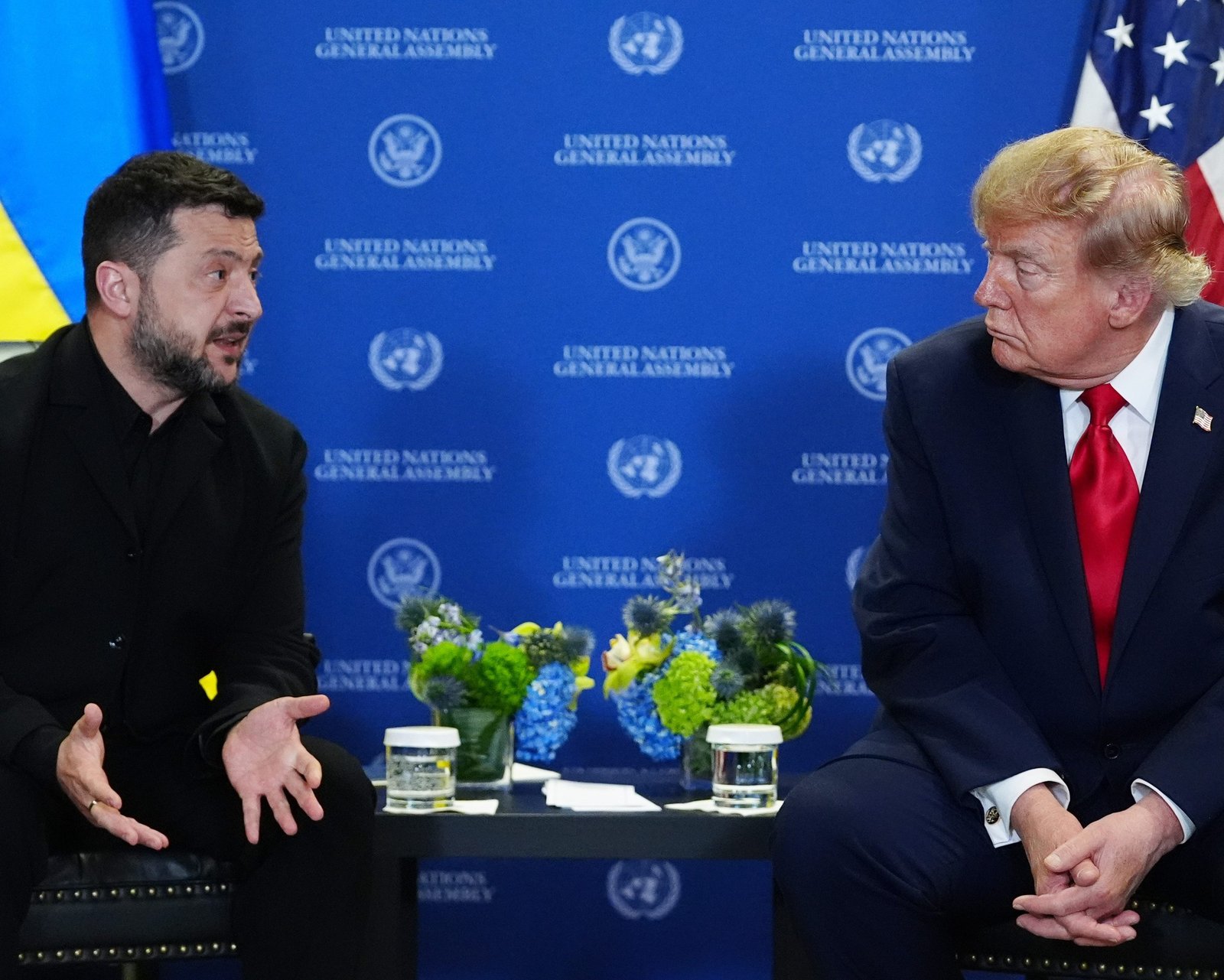
Efforts to end the war between Russia and Ukraine remain uncertain as changes in US policy create fresh questions for Kyiv and its European allies. A proposed pause in attacks on energy infrastructure has failed to provide clear evidence of a lasting change on the ground. Ukrainian officials say Russian attacks have continued, while the two sides remain far apart on the future of the war.
The United States has played a central role in diplomatic efforts, but its approach has shifted between support for Ukraine and proposals that critics say could benefit Moscow. Restrictions affecting Ukraine’s access to satellite communications have also raised concerns about the reliability of support during the conflict. Kyiv has argued that it needs stable access to the tools and intelligence that help it defend its territory.
Russia’s goals remain another major obstacle. Ukrainian leaders and some foreign policy experts argue that Moscow wants lasting control over Ukraine’s political direction and territory, rather than a short pause in fighting. If the sides do not agree on basic security terms, a temporary ceasefire may only delay further attacks. European governments are therefore discussing how they can maintain support and prepare for a longer conflict.
The situation leaves diplomats with difficult choices. A negotiated settlement would need credible security guarantees, clear rules and a way to respond if either side breaks the agreement. Ukraine also wants to ensure that any deal does not leave it exposed to another attack. For now, the path to peace remains unclear, and the actions of Russia, Ukraine, the United States and European governments will shape the next stage of the conflict.
