

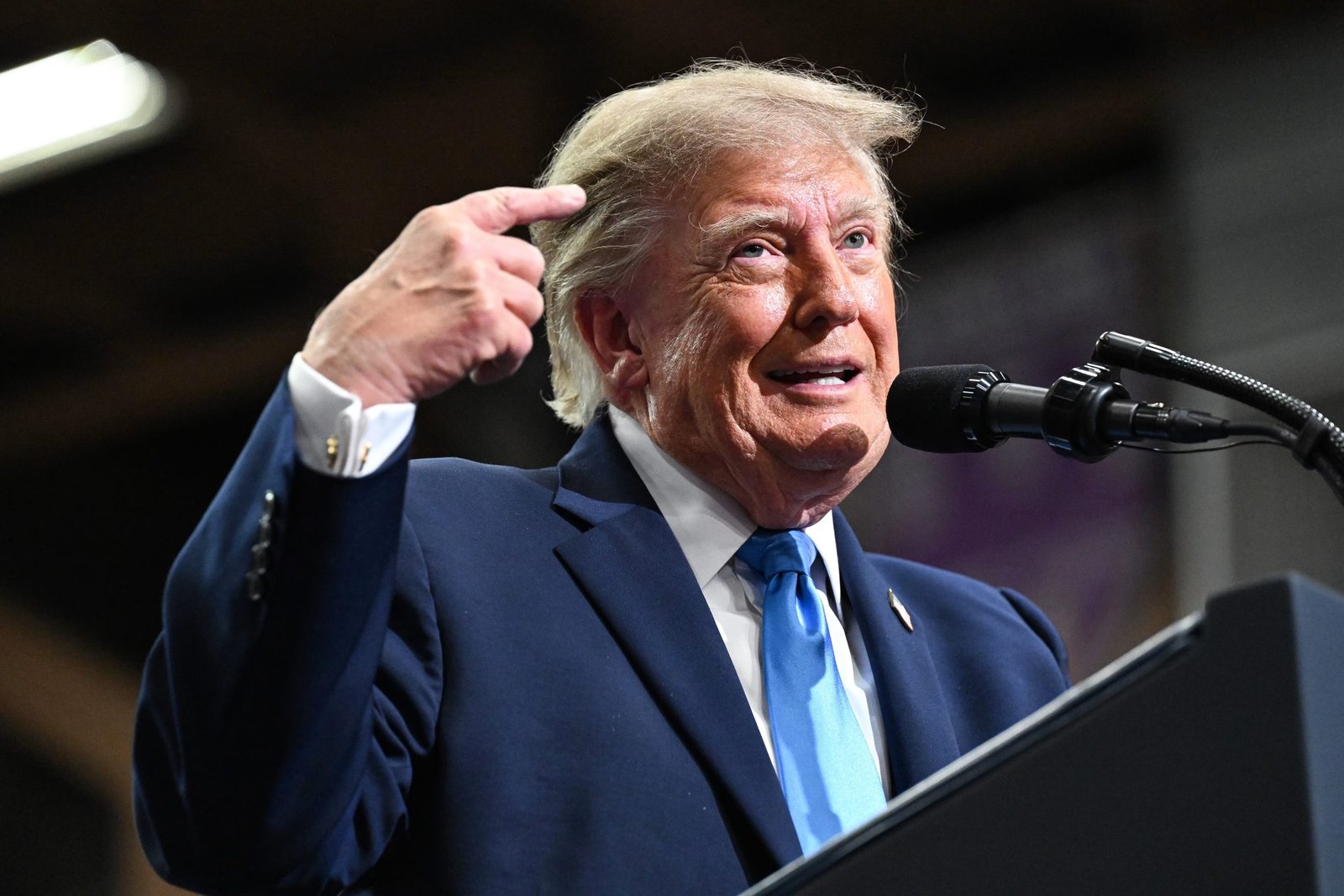
US President Donald Trump travelled to Alaska to campaign for Republican candidates ahead of the November midterm elections. The visit focused attention on Senator Dan Sullivan’s race against Democratic challenger Mary Peltola. Alaska has usually supported Republican candidates in national elections, but high energy costs and public frustration have made the contest more closely watched.
Trump used the rally in Wasilla to promote his administration’s energy plans and criticise the state’s ranked-choice voting system. He also spoke about investments and projects that he said could bring economic benefits to Alaska. The state has major oil and gas resources, but its remote communities often face high costs for fuel, transport and heating. For many residents, energy prices are a daily concern rather than an abstract political issue.
Sullivan is seeking another term in the Senate, while Peltola is trying to attract voters who want a change in direction. Peltola has built a profile around local issues and has supported energy development in Alaska. That position may help her appeal to voters who do not always agree with the national Democratic Party. Sullivan, meanwhile, is trying to maintain support among Republicans while responding to worries about living costs.
The race matters because the balance of power in the Senate could influence the president’s ability to pass legislation. Even a small number of changed seats may affect votes on budgets, energy policy and oversight of the administration. Campaign appearances can energise supporters, but the result will depend on voters’ views of local conditions and national leadership. Alaska’s election will therefore provide one measure of how economic pressure is affecting the Republican Party before November.
