

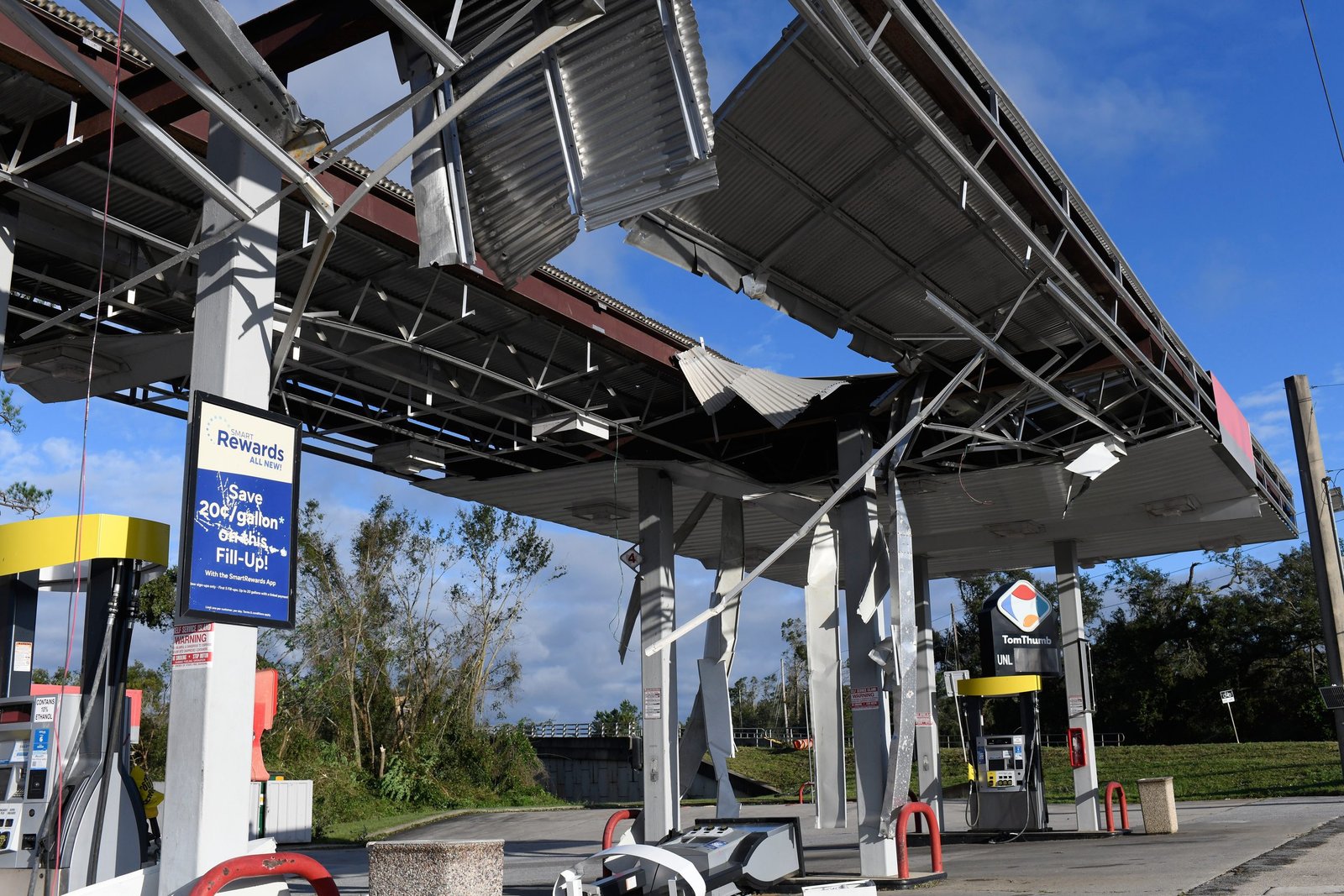
Hurricane Isaias weakened after striking Florida’s Gulf Coast, but the storm continued to threaten communities across the southeastern United States with heavy rain, flooding, and power outages. The storm made landfall near Destin, Florida, as a Category 2 hurricane. At least four people had died by Sunday, while emergency crews worked to clear roads, restore electricity, and assess damage.
The storm brought strong winds and heavy rain to Florida, Alabama, and nearby states. Falling trees caused deadly incidents, while another death was linked to carbon monoxide poisoning from a generator. Such risks often remain after a storm has passed. People may use generators when electricity is unavailable, but placing them too close to homes can allow dangerous gas to build up indoors.
Nearly 900,000 customers lost power at the height of the disruption. Outages can affect more than lighting and household comfort. They may interrupt medical equipment, refrigeration for medicines, water services, and communications. People who rely on powered devices or need regular medical care may face extra risks when electricity remains unavailable for a long time.
Flooding is another major concern. Heavy rain can overwhelm drainage systems, fill roads with water, and make it difficult for emergency workers to reach people who need help. Authorities have warned residents to avoid flooded roads and follow official instructions. Water can hide damaged pavement, debris, or fast-moving currents, making it dangerous even when the depth looks shallow.
President Donald Trump approved emergency federal assistance for Georgia, while authorities in Florida and Alabama continued to assess the impact. Recovery teams were working to remove fallen trees and repair damaged infrastructure. Some areas reported damage to homes, businesses, and public facilities. The scale of repairs will depend on how widely the storm affected each community.
The storm also affected energy operations. The US Energy Department authorised emergency crude oil exchanges to support refinery operations disrupted by the hurricane. Any long interruption to refining can affect fuel supplies and prices, especially when global energy markets are already under pressure.
Although Isaias has weakened, officials say the danger has not ended. Residents should continue to follow local warnings, use generators safely, and avoid unnecessary travel through damaged areas. Recovery will take time, especially where power lines, roads, and buildings need major repairs. The storm’s full impact will become clearer as crews reach more communities and complete damage assessments.
