

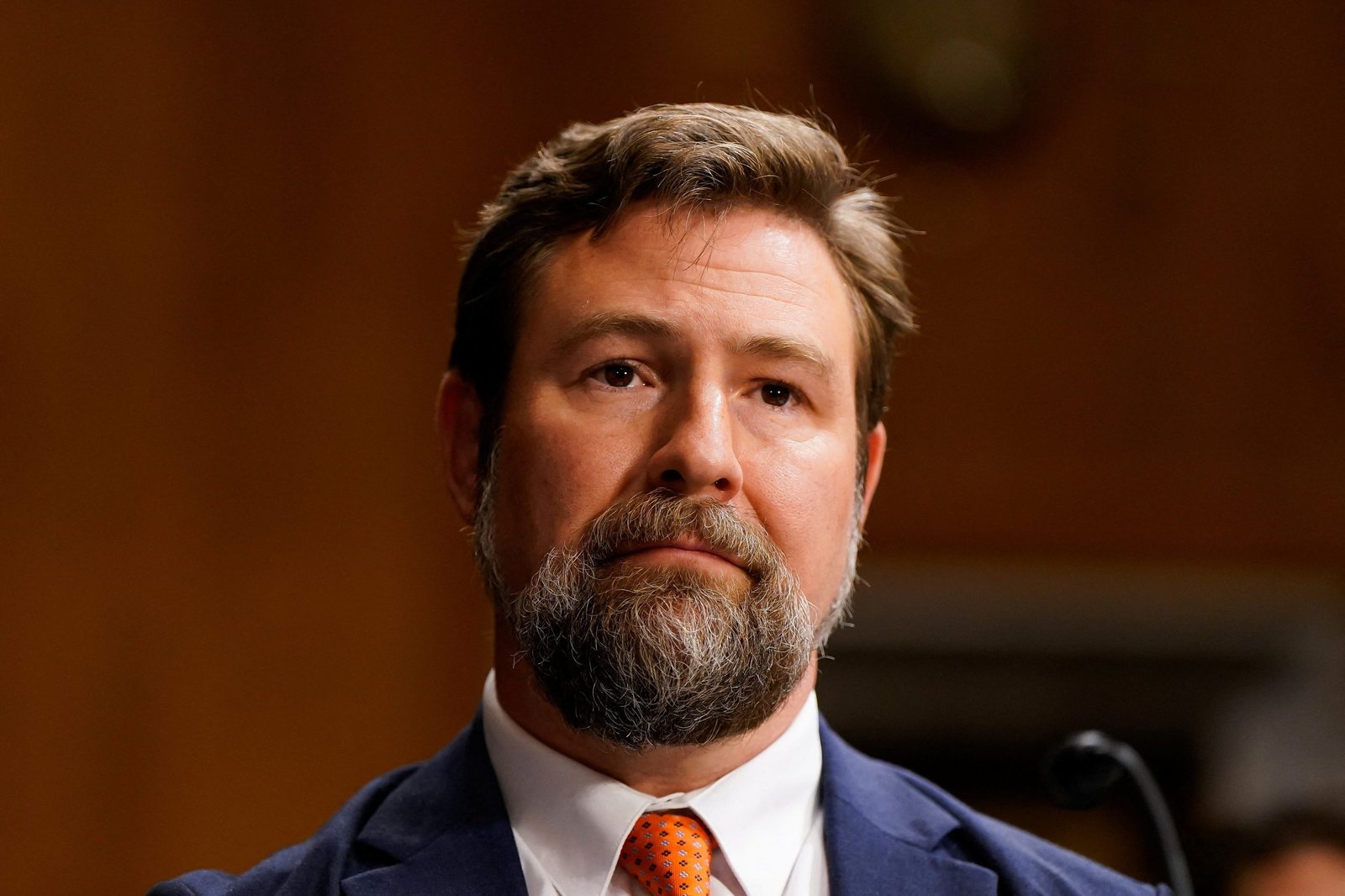
US Myanmar Talks have begun directly with Myanmar’s military-installed government, marking a major change in Washington’s approach after years of trying to isolate the generals who took power in the 2021 coup. The new contact was led in part by Michael Vance, a senior US intelligence official who met Myanmar’s leader Min Aung Hlaing in September. The discussions began over an American citizen but could develop into wider cooperation.
The talks are focused first on issues that directly affect American interests. One major concern is the network of scam centers operating in Myanmar and targeting people in the United States and other countries. These criminal operations have become a major regional problem, with people being recruited or forced to work in compounds that conduct online fraud. Washington wants Myanmar’s authorities to take stronger action against these networks.
The contact also raises questions about Myanmar’s large deposits of rare earth minerals. These materials are important for electric vehicles, wind turbines, electronics and other modern industries. China is currently a major buyer of Myanmar’s rare earths, and any attempt by the United States to gain greater access could create another area of competition between Washington and Beijing. The mineral issue therefore gives the talks an economic and strategic dimension.
The change is controversial because Min Aung Hlaing remains under US sanctions over human rights abuses. Washington has accused Myanmar’s military of serious violations, including crimes against the Rohingya population. The military also continues to face armed opposition inside the country. Human rights groups have criticized governments that engage with Myanmar’s generals because they fear direct contact can give the military leadership greater international legitimacy.
US officials say engagement does not mean accepting the military government’s actions. The State Department has said Washington continues to raise concerns about violence and political prisoners. American officials argue that refusing all contact can make it harder to solve practical problems. The new approach reflects the Trump administration’s wider focus on direct deals and specific American interests rather than a foreign policy based mainly on promoting democratic change.
Myanmar’s internal conflict makes the policy difficult. The military government does not control all parts of the country, and several ethnic armed groups hold territory where important mineral deposits are located. Any agreement about resources would therefore need to consider groups outside the central government. China also has strong economic links with the region, meaning American involvement could face resistance from Beijing.
The talks also show how quickly foreign policy can change when strategic interests become more important. The United States previously placed heavy pressure on Myanmar after the coup. Now Washington is willing to speak directly with the same military leadership it had tried to isolate. The change does not mean the two sides have become allies, but it does show that practical issues can open doors that were previously closed.
The US Myanmar Talks will now be watched closely by human rights groups, regional governments and other major powers. If the talks remain focused only on scam centers and individual cases, the political impact may be limited. If they expand into minerals, security and wider economic cooperation, the shift could become much more important. For Myanmar, the new contact may offer international recognition. For Washington, it is an attempt to protect American interests while dealing with one of Asia’s most difficult political crises.
