

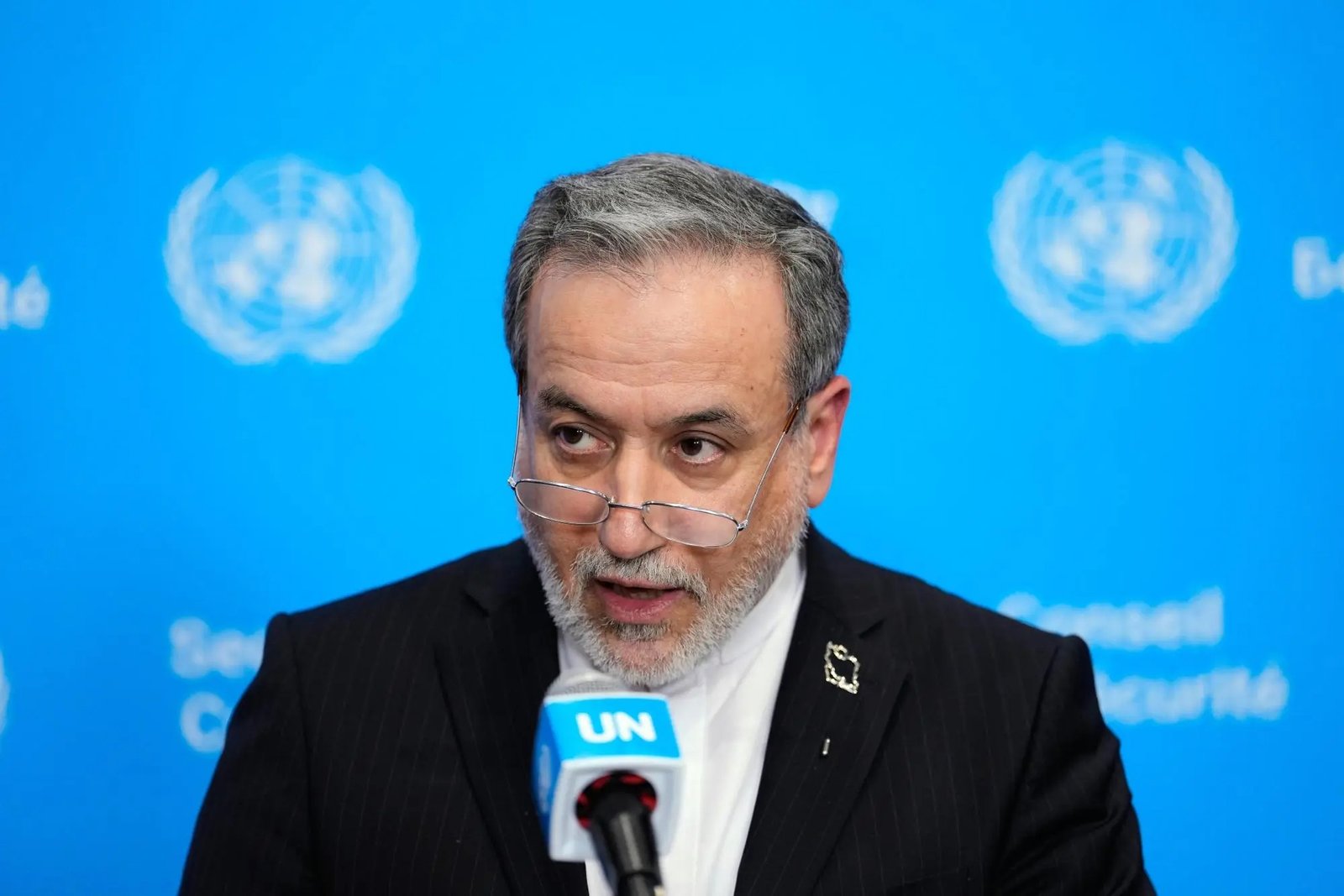
Secretary of State Marco Rubio demanded this week that Iran’s delegation to the United Nations General Assembly immediately leave the United States following the breakdown of negotiations that had been taking place on the sidelines of the broader diplomatic gathering, according to sources familiar with the matter. This forceful demand represents a notable escalation in the already tense diplomatic relationship between the two countries, arriving amid the ongoing extended conflict that has persisted between Washington and Tehran.
The breakdown appears connected to broader negotiations regarding the Strait of Hormuz and the general trajectory of hostilities between the two countries, discussions that had shown some signs of progress in preceding weeks before apparently stalling during this particular round of diplomatic engagement. The specific point at which talks collapsed, and the precise reasons cited by American officials for demanding the Iranian delegation’s departure, illustrate the genuinely fragile and unpredictable nature of diplomatic engagement throughout this extended crisis.
Iran, for its part, indicated it had received a response from the United States regarding ongoing negotiations, though the specific content and implications of that response in relation to the subsequent demand for the delegation’s departure remain somewhat unclear from available reporting. This kind of rapid shift between apparent diplomatic engagement and subsequent confrontational demands has characterized much of the pattern seen throughout this extended standoff between the two nations.
This latest development occurs within the broader context of the ongoing conflict, which has now stretched on for well over two hundred days according to various tracking efforts following the war’s developments. The extended duration of this conflict has created persistent economic and security challenges extending well beyond the immediate combatants, affecting global energy markets and broader regional stability throughout the Middle East.
Diplomatic historians note that demands for a delegation’s departure from international gatherings represent a particularly pointed diplomatic signal, typically reserved for situations where the demanding party believes continued engagement has become genuinely counterproductive or where significant breakdown in trust has occurred. This kind of action, while not severing all diplomatic contact entirely, nonetheless represents a significant escalation in the tone and substance of engagement between the two governments.
The broader United Nations General Assembly session has featured numerous significant diplomatic developments touching on this ongoing conflict, reflecting the considerable international attention and concern the extended crisis continues generating among the broader international community. Various nations have used the gathering as an opportunity to call for renewed diplomatic efforts, even as this latest development suggests genuine obstacles remain in achieving any sustained diplomatic breakthrough.
As this latest diplomatic rupture continues reverberating, the fundamental question of whether and how negotiations might eventually resume between the United States and Iran remains genuinely uncertain. This pattern of alternating diplomatic engagement and confrontational escalation, now extending across many months of conflict, suggests that any eventual resolution will likely require navigating numerous similar setbacks before potentially achieving more sustained diplomatic progress.
