

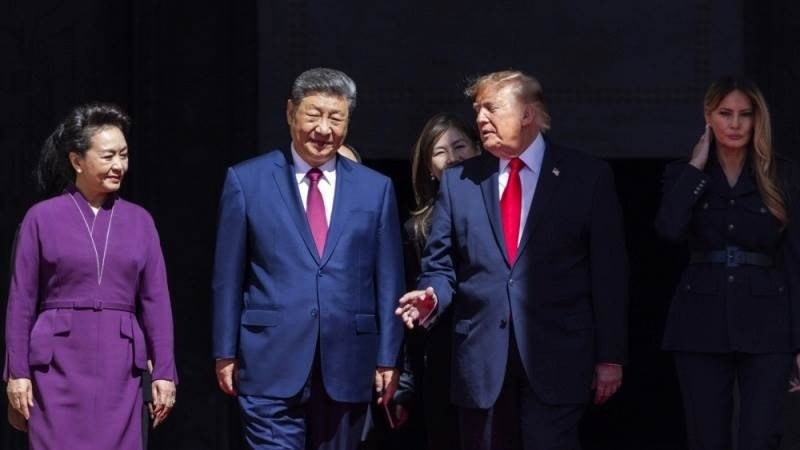
President Trump has confirmed that he will meet Chinese President Xi Jinping again in November, this time traveling to China as part of a continued pattern of frequent direct engagement between the two leaders that has characterized much of this year’s diplomatic calendar. The confirmation came just as Xi concluded his own historic state visit to Washington, wrapping up several days of high-profile meetings, ceremonial events, and substantive negotiations covering trade, technology, and regional security matters between the world’s two largest economies.
This upcoming November meeting will mark the fourth time the two leaders have met in person within roughly a thirteen-month period, an unusually intensive pace of direct summitry between the leaders of the world’s two largest economies that reflects both the significant stakes involved in managing this complex bilateral relationship and what officials from both governments have described as a genuinely warm personal rapport between the two men, despite the substantial underlying tensions that continue to define the broader relationship between their respective countries.
The planned November gathering is expected to take place on the sidelines of a regional economic summit, following a now-familiar pattern where the two leaders have used major multilateral gatherings as convenient opportunities for substantive bilateral discussions without requiring entirely separate, standalone diplomatic visits. This approach has allowed both governments to maintain frequent high-level contact while managing the considerable logistical and political complexity involved in arranging formal state visits of the kind Xi just completed in Washington.
Trade considerations are expected to remain central to discussions during this upcoming meeting, building directly on this week’s agreement to extend the current trade truce by an additional two months, pushing the previous deadline back to January of next year. Analysts covering the relationship suggest that November’s meeting could provide an important opportunity to either formalize a more permanent trade framework or, alternatively, negotiate yet another extension should the underlying structural disagreements between the two economies remain unresolved by that point.
Beyond trade, the broader agenda for future meetings between the two leaders is expected to continue encompassing the full range of complex issues currently defining the relationship, including ongoing discussions about artificial intelligence safety frameworks, the situation in Taiwan, and continued diplomatic efforts related to Iran, where Xi has publicly called for renewed negotiations during this week’s Washington visit. This consistently broad agenda across successive meetings reflects the genuinely multifaceted nature of the current relationship between the two countries.
Diplomatic analysts note that while this frequency of direct leader-to-leader engagement does not guarantee substantive breakthroughs on the more difficult unresolved issues between the two nations, it does provide valuable continuity and predictability to a relationship that has experienced considerable volatility in recent years. Regular, scheduled contact between the two leaders can help prevent misunderstandings from escalating unnecessarily and provides established channels for addressing emerging issues before they potentially spiral into more serious confrontations.
As attention now turns toward this planned November gathering, business leaders, investors, and diplomatic observers around the world will continue monitoring the relationship closely for any signals about how the two governments intend to navigate their considerable remaining differences. Whether this continued pattern of frequent summitry ultimately produces lasting stability in the relationship or simply manages ongoing tensions without resolving their underlying causes remains an open question that will likely only become clearer as this extended sequence of meetings continues to unfold.
