

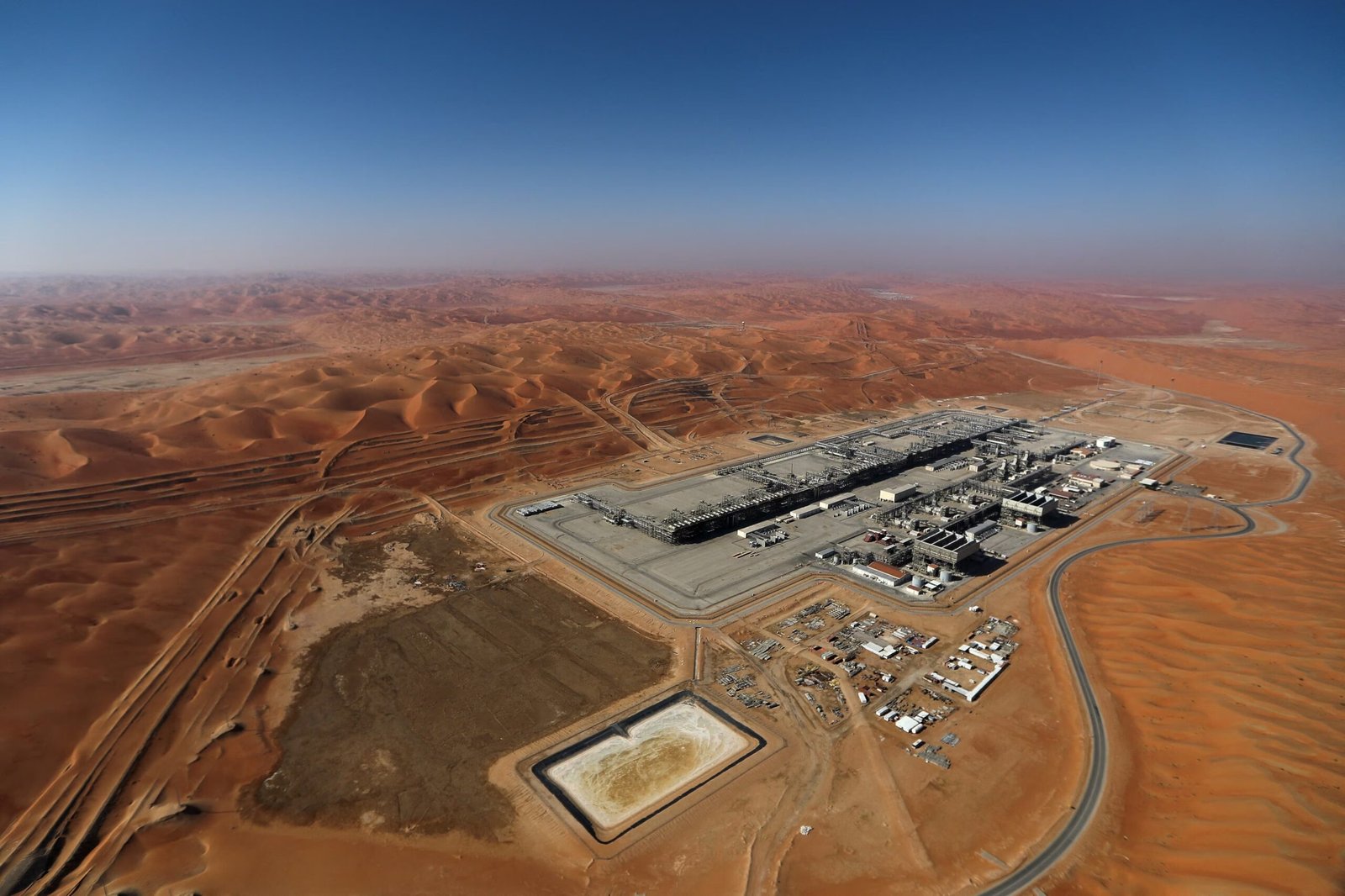
Saudi Arabia’s crude oil exports have surged to their highest level in seven months this month, according to trade intelligence data, even as the kingdom continues facing a sharp escalation in fighting with Iran-backed militant forces that has repeatedly targeted its energy infrastructure. Riyadh is currently exporting approximately six million barrels per day, marking the highest export volume recorded since the broader regional conflict involving Iran began roughly seven months ago, and representing a striking display of resilience within the kingdom’s critical energy sector.
This remarkable surge in exports comes despite Saudi Arabia having closed its critical East-West oil pipeline earlier this month following damage sustained in a drone attack launched from Iraqi territory, an incident that many analysts initially expected might meaningfully constrain the kingdom’s ability to move crude oil to international markets. Instead, Saudi officials appear to have successfully rerouted export logistics to maintain and even substantially increase overall shipment volumes despite this significant infrastructure disruption.
According to the trade data, September shipments have surged nearly eighty percent compared to the 3.4 million barrels per day exported in August, representing an extraordinarily rapid recovery that has brought the kingdom’s crude shipments back in line with its monthly average from the previous year. This scale and speed of recovery suggests considerable operational flexibility within Saudi Arabia’s energy export infrastructure, allowing the kingdom to adapt quickly to disruptions that might otherwise be expected to significantly constrain output for extended periods.
Energy market analysts have described this development as a notable demonstration of resilience within global energy supply chains, even amid one of the more serious regional conflicts affecting Middle Eastern oil infrastructure in recent years. The ability of a major producer to substantially increase exports despite active conflict and significant infrastructure damage speaks to both the redundancy built into modern energy logistics networks and the powerful financial incentives driving continued production even under genuinely challenging security conditions.
This surge in Saudi exports carries meaningful implications for global oil markets, which have experienced considerable volatility throughout recent weeks amid concerns about potential supply disruptions tied to the broader regional conflict. Increased Saudi output helps offset some of the upward pressure on prices that might otherwise result from continued instability, potentially providing a moderating influence on global energy costs even as other aspects of the regional crisis continue generating uncertainty among traders and market analysts.
The broader context surrounding this export surge reflects Saudi Arabia’s continued central importance to global energy markets, even amid the kingdom’s own direct involvement in the regional conflict with Iran-backed forces. Saudi officials have consistently emphasized their commitment to maintaining stable energy exports despite security challenges, framing this continuity as important both for the kingdom’s own economic interests and for broader global energy market stability during an already turbulent period.
As the conflict with Iran-backed militants continues without clear signs of imminent resolution, Saudi Arabia’s demonstrated ability to maintain and even increase oil exports despite active security threats offers a somewhat reassuring signal for global energy markets navigating this period of heightened regional tension. Whether this level of export resilience can be sustained if the conflict continues escalating further remains an important question that energy analysts and market participants will continue monitoring closely in the weeks ahead.
