

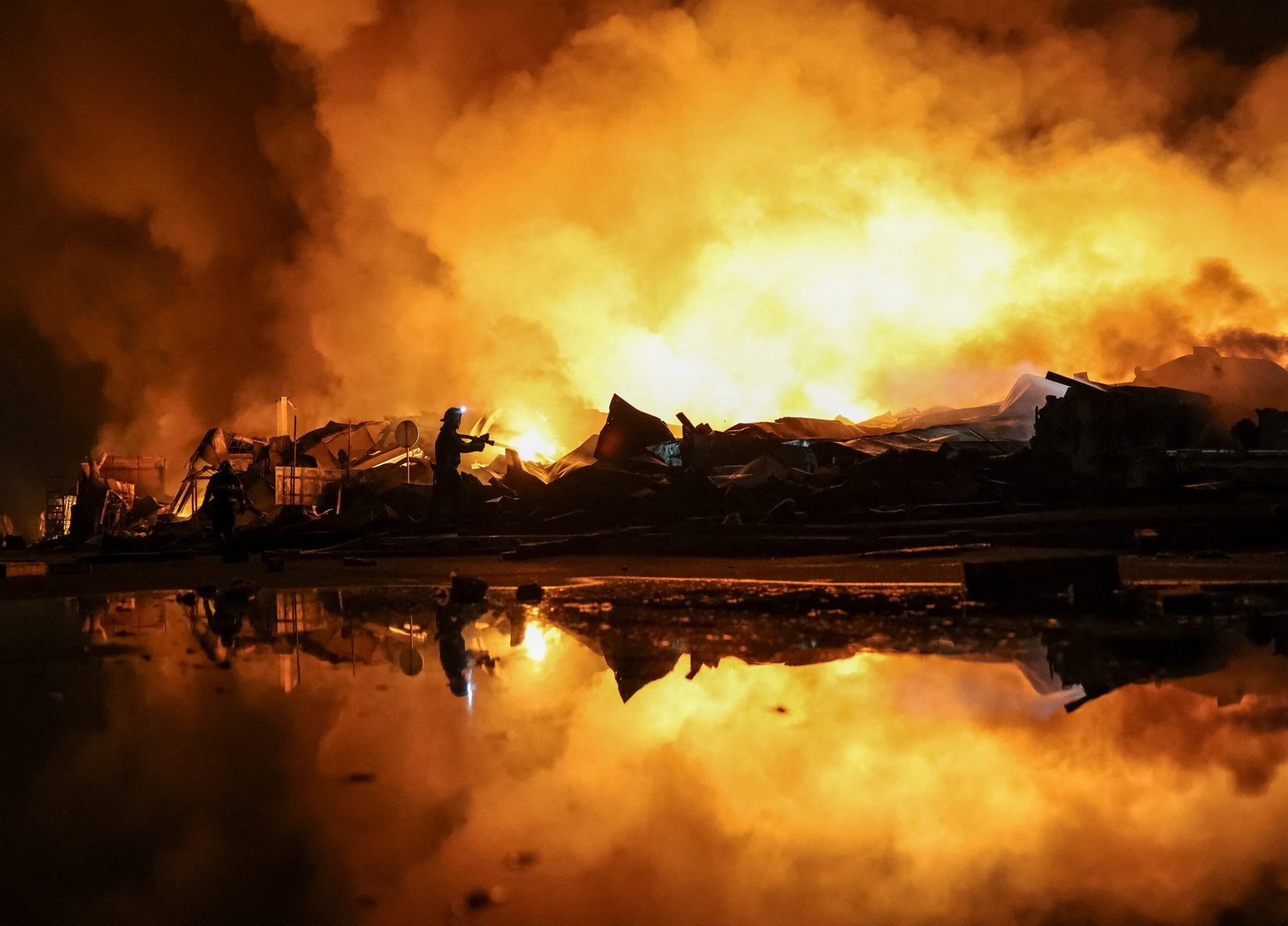
Russian ballistic missiles struck the Ukrainian capital this week, killing two people and injuring at least eight others across three separate districts of Kyiv, according to reports from Ukrainian officials tracking the aftermath of the overnight attack. The strike represents a continuation of the persistent pattern of missile and drone assaults that have targeted Ukrainian cities throughout the extended war, even as diplomatic activity involving multiple international parties has continued in parallel through various channels this week.
Ukrainian air defense forces reported intercepting a substantial number of incoming threats during the same overnight period, neutralizing several types of munitions including multiple ballistic missiles, a loitering munition, and more than two hundred drones launched from Russian territory. This scale of interception activity illustrates both the intensity of continued Russian attacks and the significant capability Ukrainian forces have developed over the course of the war to defend against these repeated aerial assaults, even as some munitions inevitably penetrate these defensive systems and cause civilian casualties and infrastructure damage.
The attack occurred during a particularly active diplomatic week, with senior officials from multiple nations engaged in various discussions touching on the ongoing conflict as part of broader activities surrounding the United Nations General Assembly’s high-level gathering in New York. This juxtaposition between continued deadly attacks on the ground and active diplomatic conversations happening in parallel highlights the persistent disconnect that has characterized much of this extended conflict, where diplomatic engagement has continued even as military operations show no signs of meaningfully slowing down.
Ukrainian President Volodymyr Zelensky has continued using his own diplomatic engagements this week to press for sustained international support, recently describing Russian President Vladimir Putin as the originating source of the conflict during his own address to the United Nations General Assembly. Zelensky has simultaneously indicated Ukraine’s continued openness to pursuing negotiated solutions, including a potential bilateral ceasefire specifically covering energy infrastructure targets, even while warning that Russia appears to be preparing for what he has described as a new and significant escalation in its attacks.
The human toll from this week’s strike adds to the substantial cumulative casualties this war has produced since its beginning years earlier, with civilian deaths and injuries continuing to occur even amid periods of active diplomatic engagement between various international parties. Emergency response teams in Kyiv worked through the aftermath of the attack to assist affected residents and assess damage to structures in the impacted districts, a now-familiar routine that has become part of daily life in the Ukrainian capital throughout the extended duration of the conflict.
International reaction to this latest strike has followed familiar patterns established throughout the war, with various allied nations reiterating calls for continued support to Ukraine’s defensive capabilities while diplomatic discussions about potential paths toward de-escalation continue through separate channels. This dual-track approach, combining continued military and humanitarian assistance with ongoing diplomatic engagement, has characterized much of the international response to the conflict throughout its extended duration, even as a comprehensive resolution has remained persistently elusive.
As the war continues without clear signs of imminent resolution, this week’s attack on Kyiv serves as a stark reminder of the ongoing human cost being borne by Ukrainian civilians even as diplomatic conversations continue at the highest levels of international politics. Whether this week’s various diplomatic engagements ultimately contribute to any meaningful progress toward ending the conflict remains uncertain, but the continued pattern of civilian casualties illustrates the urgency many international observers attach to finding some path toward lasting resolution.
