

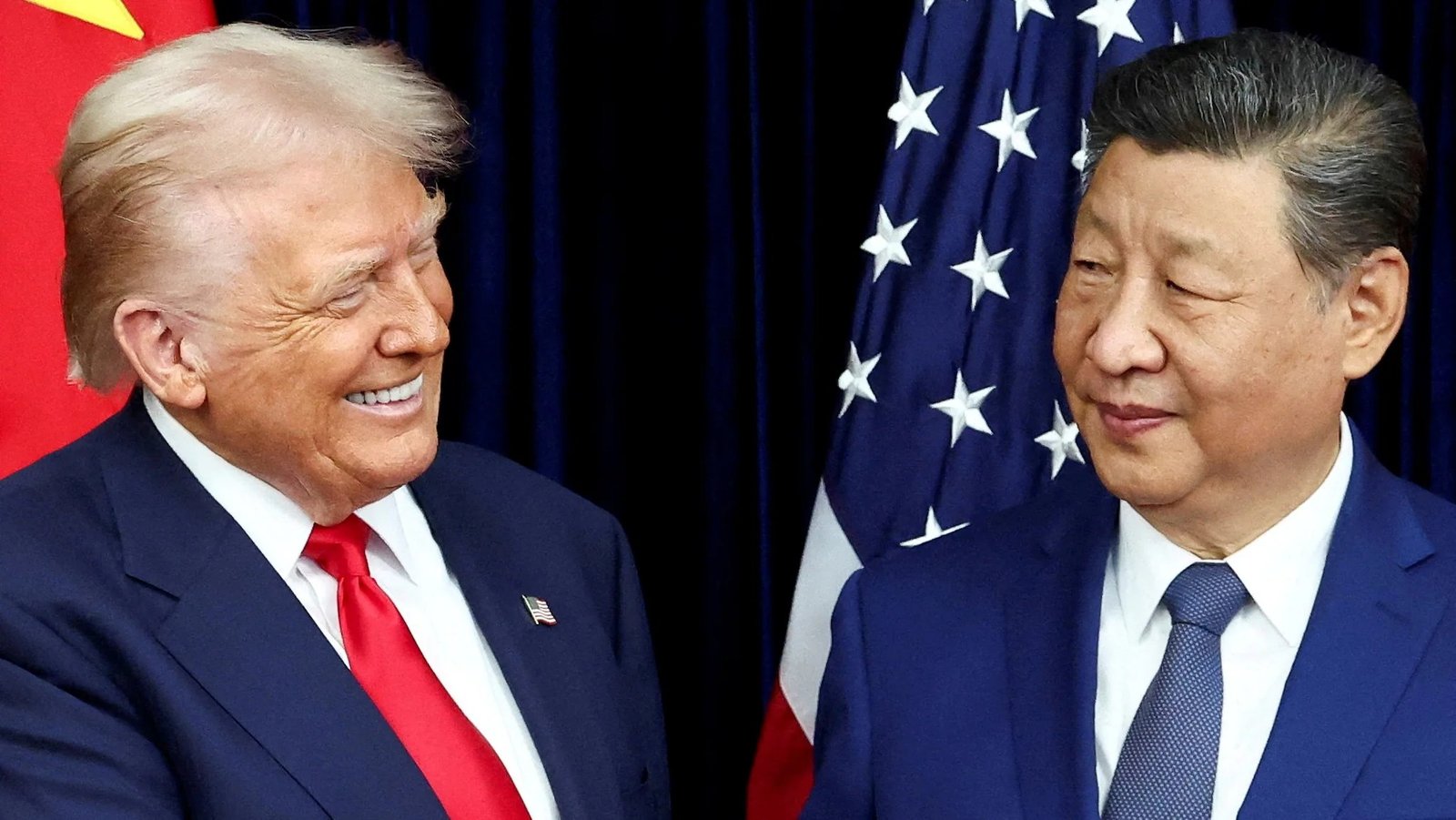
Rare earth mineral exports and emerging artificial intelligence safeguards have emerged as two of the most closely watched topics heading into today’s high-stakes summit between the American and Chinese presidents at the White House. Both issues carry significant economic weight for industries ranging from advanced manufacturing to cutting-edge technology development, making today’s discussions particularly consequential for companies and markets that depend heavily on stable trade relations between the world’s two largest economies.
China currently controls a dominant share of global rare earth mineral processing capacity, materials that prove essential for manufacturing everything from electric vehicle batteries to advanced electronics and military equipment. This concentration of processing capability has given Beijing considerable leverage in trade discussions, and American officials have reportedly pushed hard for commitments regarding continued access to these critical materials as part of broader efforts to extend the trade truce currently scheduled to expire in November of this year.
The artificial intelligence safeguards discussion represents a notably newer addition to the bilateral agenda, with formal talks between the two countries on this specific topic only beginning earlier this week despite having been generally agreed upon during the two leaders’ previous meeting in Beijing back in May. Both nations have made substantial investments in AI development throughout the year, and establishing even basic frameworks for managing shared risks associated with increasingly powerful AI systems has become an area where both governments have expressed at least some interest in finding common ground, even amid broader strategic competition.
Trade truce specifics from the two leaders’ previous encounters provide important context for today’s discussions. Following their meeting last October in South Korea, the two sides agreed to de-escalate what had become an increasingly damaging trade war, and their subsequent May meeting in Beijing produced additional commitments, including reducing the effective American tariff rate on Chinese goods from fifty-seven percent down to forty-seven percent. Extending or building upon these existing arrangements before the November deadline represents one of the primary practical objectives for both delegations participating in today’s talks.
Access to the American automotive market for Chinese manufacturers represents another significant item reportedly under discussion, reflecting the broader competitive tensions in the global automotive industry as Chinese electric vehicle manufacturers have rapidly expanded their international market presence in recent years. American automakers have expressed considerable concern about competing directly against heavily subsidized Chinese manufacturers, making this an especially sensitive topic likely to require careful diplomatic navigation during today’s discussions between the two delegations.
Business leaders from both countries are closely monitoring today’s proceedings, recognizing that any concrete agreements or, conversely, any signs of renewed friction could have significant ripple effects across global supply chains and international markets more broadly. The substantial delegation of Chinese business executives reportedly accompanying President Xi on this visit suggests Beijing’s genuine interest in using this summit to advance concrete economic outcomes rather than treating the visit purely as a ceremonial or symbolic diplomatic exercise.
As today’s discussions unfold behind closed doors, financial markets and industry observers alike are watching closely for any official statements or leaked details that might provide insight into how these consequential negotiations are actually proceeding. Given the complexity and sensitivity of the issues involved, from rare earth supply chains to AI governance frameworks, analysts caution that any final agreements reached today likely represent just one step within a much longer and more gradual process of managing this critically important, and often contentious, economic relationship between two global superpowers.
