

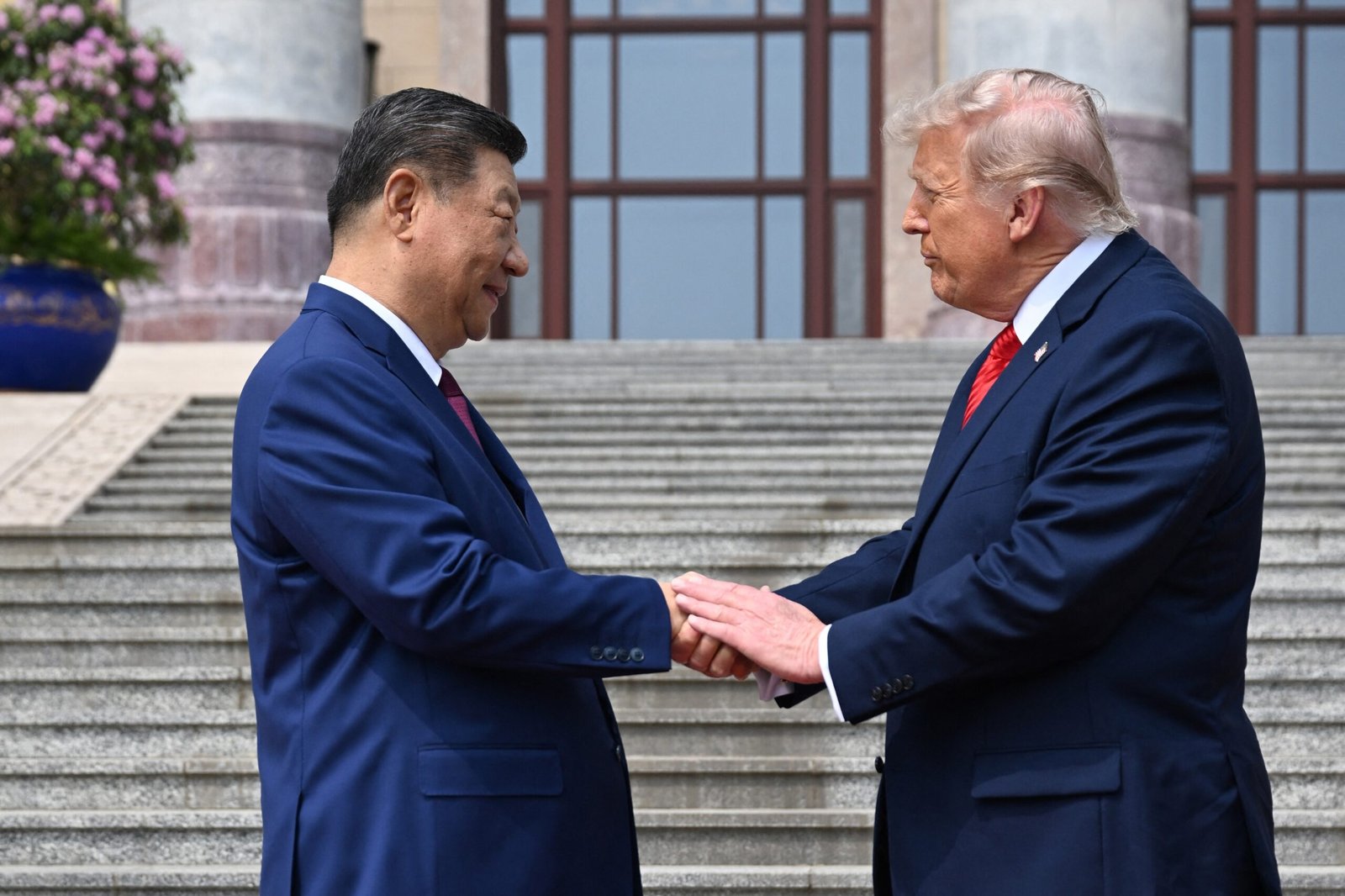
Chinese President Xi Jinping is arriving in the Washington area today, marking the start of a historic state visit that represents the first time a Chinese leader has traveled to the White House in more than a decade. Xi, accompanied by his wife, Peng Liyuan, is scheduled to land at a military base near the capital, where President Trump plans to personally greet his Chinese counterpart, an unusually high-profile diplomatic gesture that officials say reflects the significant stakes both countries have attached to this week’s meetings between the two leaders and their respective governments.
Perhaps the most closely watched element of today’s arrival is the substantial delegation of Chinese business leaders reportedly traveling alongside Xi, a detail that has drawn considerable attention from analysts given how rarely the Chinese president brings corporate executives on international trips. Many prominent Chinese entrepreneurs fell out of official favor following regulatory crackdowns that swept through the technology, education, and construction sectors beginning several years ago, making the presence of a large business contingent on this particular visit especially notable to those who track the relationship between China’s government and its private sector leadership.
Analysts suggest the decision to bring business leaders signals Beijing’s interest in giving this week’s summit tangible economic substance alongside its obvious political significance, potentially opening doors for renewed investment and trade discussions between American and Chinese companies. This economic dimension arrives at a particularly sensitive moment, given that a trade truce reached between the two countries last year is set to expire in the coming months, creating pressure on both sides to reach some form of extended agreement before existing tariff protections lapse and trade tensions potentially escalate once again between the world’s two largest economies.
Formal proceedings will begin in earnest tomorrow with a state arrival ceremony at the White House, featuring a substantial military demonstration and formal remarks from both leaders, followed by private bilateral discussions covering a wide range of sensitive topics. Reports suggest the agenda will extend well beyond trade issues to include discussions about resuming arms control talks and military cooperation between the two nations, along with China’s potential role in helping resolve ongoing conflicts in other parts of the world where Washington has expressed interest in encouraging greater Chinese diplomatic engagement moving forward.
The broader business community has been watching preparations for this visit with considerable interest, recognizing that any signals about extending the current trade truce could have significant implications for global supply chains and international markets more broadly. Companies with substantial exposure to trade between the two countries have expressed cautious optimism that this week’s high-profile engagement could help stabilize what has often been an unpredictable and tense economic relationship over the past several years of intermittent trade disputes and periodic diplomatic friction between Washington and Beijing.
Financial markets have shown measured optimism ahead of the summit, with stock indexes holding near record levels in recent trading sessions partly on hopes that this week’s talks could yield positive developments for international trade relations. However, analysts caution that meaningful structural changes to the broader economic relationship between the two countries are unlikely to emerge from a single summit, however significant, given the deep and persistent competitive tensions that continue to define the relationship across technology, security, and economic policy domains that extend well beyond any individual meeting between the two heads of state.
As Xi’s plane approaches Washington today, both governments appear to be treating this visit as a genuinely significant moment in the broader trajectory of United States-China relations, even as substantial underlying tensions remain unresolved. The coming days will reveal whether the carefully choreographed diplomatic ceremony and accompanying business delegation translate into concrete agreements, or whether this historic visit ultimately serves primarily as a symbolic gesture toward improved relations without producing the kind of substantive breakthroughs that would meaningfully reshape the economic and strategic dynamics between the two nations going forward.
