

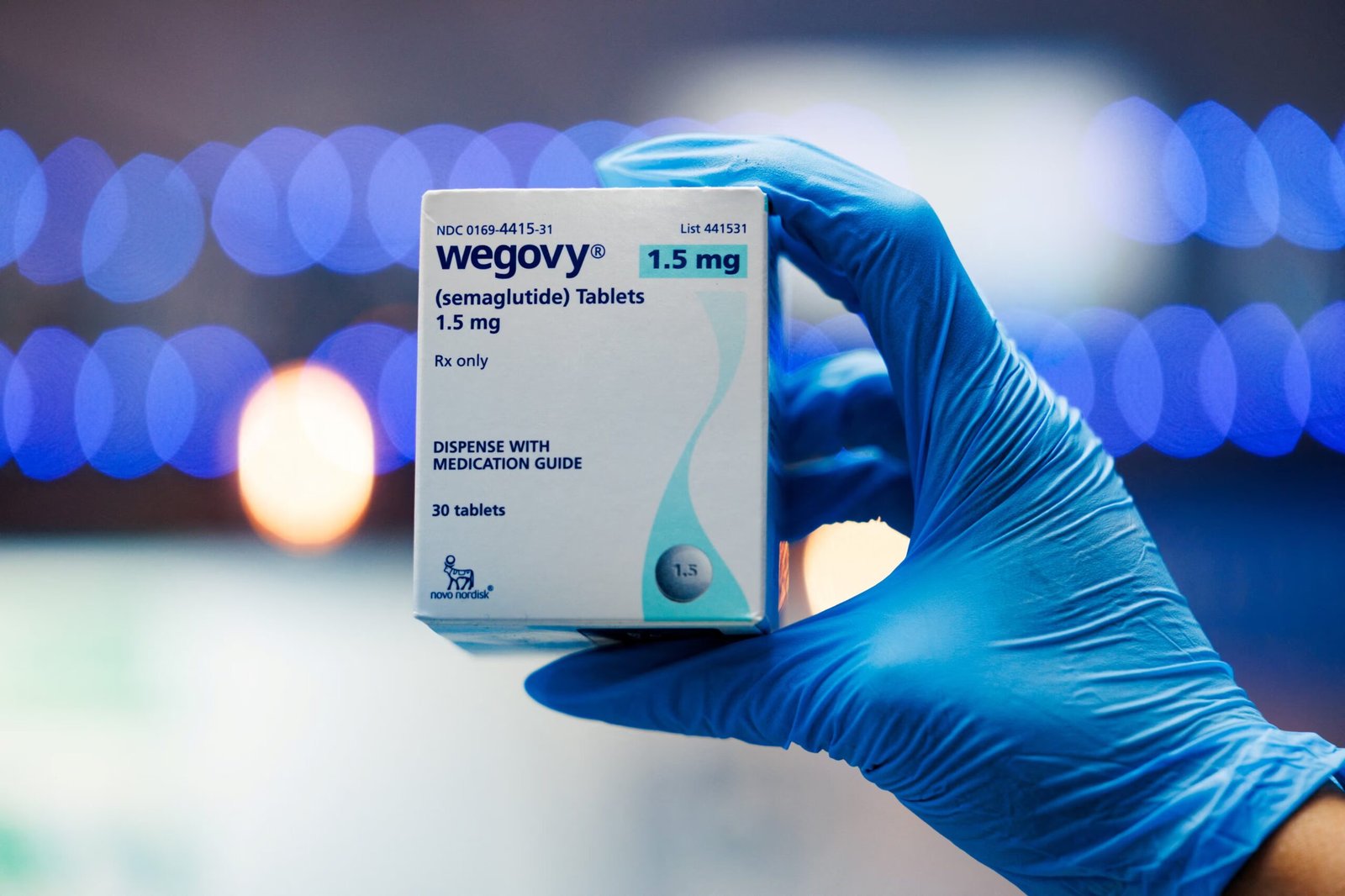
Britain has become the first country in Europe to approve a daily pill for weight loss, marking a major shift in how obesity may be treated across the region. The UK’s medicines regulator gave the green light to the tablet, opening the door for wider access to a treatment previously available only as an injection.
The pill belongs to a class of medicines known as GLP-1 receptor agonists, the same family of drugs behind well known weight loss injections that have reshaped obesity treatment worldwide in recent years. Until now, most of these treatments required a weekly injection, a barrier for some patients who prefer or need a pill-based option instead.
Regulators approved the tablet for adults with a body mass index of 30 or above, covering a large share of people classified as having obesity. The decision positions Britain ahead of other major regulators in Europe and the United States, where similar pill versions remain under review.
Health experts say a pill form could make treatment more accessible for people uncomfortable with injections or those who face challenges managing needle based medications at home. It may also simplify supply chains and storage, since pills generally do not require the same refrigeration needs as injectable versions.
The approval comes amid a broader global boom in weight loss medications. Demand for GLP-1 drugs has surged over the past few years, driven by strong results in clinical trials showing significant weight loss alongside other health benefits, including improvements in heart health and blood sugar control for some patients.
Still, health officials caution that access will not be immediate or universal. National health systems typically require additional guidance before widely funding new treatments, meaning many patients may need to pay privately at first. Specialists have raised concerns about creating a two tier system, where wealthier patients access cutting edge treatment while others wait for broader public coverage.
The World Health Organization has commissioned research into these medications to help shape future international guidelines on their use. Early findings suggest strong effectiveness for weight loss, though questions remain about long term safety, appropriate patient selection, and what happens when people stop taking the medication.
Studies have shown that patients who discontinue GLP-1 treatments often regain weight faster than those who lose weight through diet and exercise alone. This has led doctors to stress that these medications work best as part of a broader, sustained approach to health, rather than a quick fix.
Beyond weight loss, researchers continue studying additional potential benefits of this drug class, including effects on kidney health, sleep disorders, and even certain types of cancer risk in ongoing studies. Pharmaceutical companies continue investing heavily in next generation versions, hoping to build on the strong results already seen in earlier treatments.
As other countries watch how Britain’s approval unfolds, health experts expect more regulators to follow with their own pill approvals in the coming months, potentially reshaping obesity treatment on a much larger scale across Europe and beyond.
