

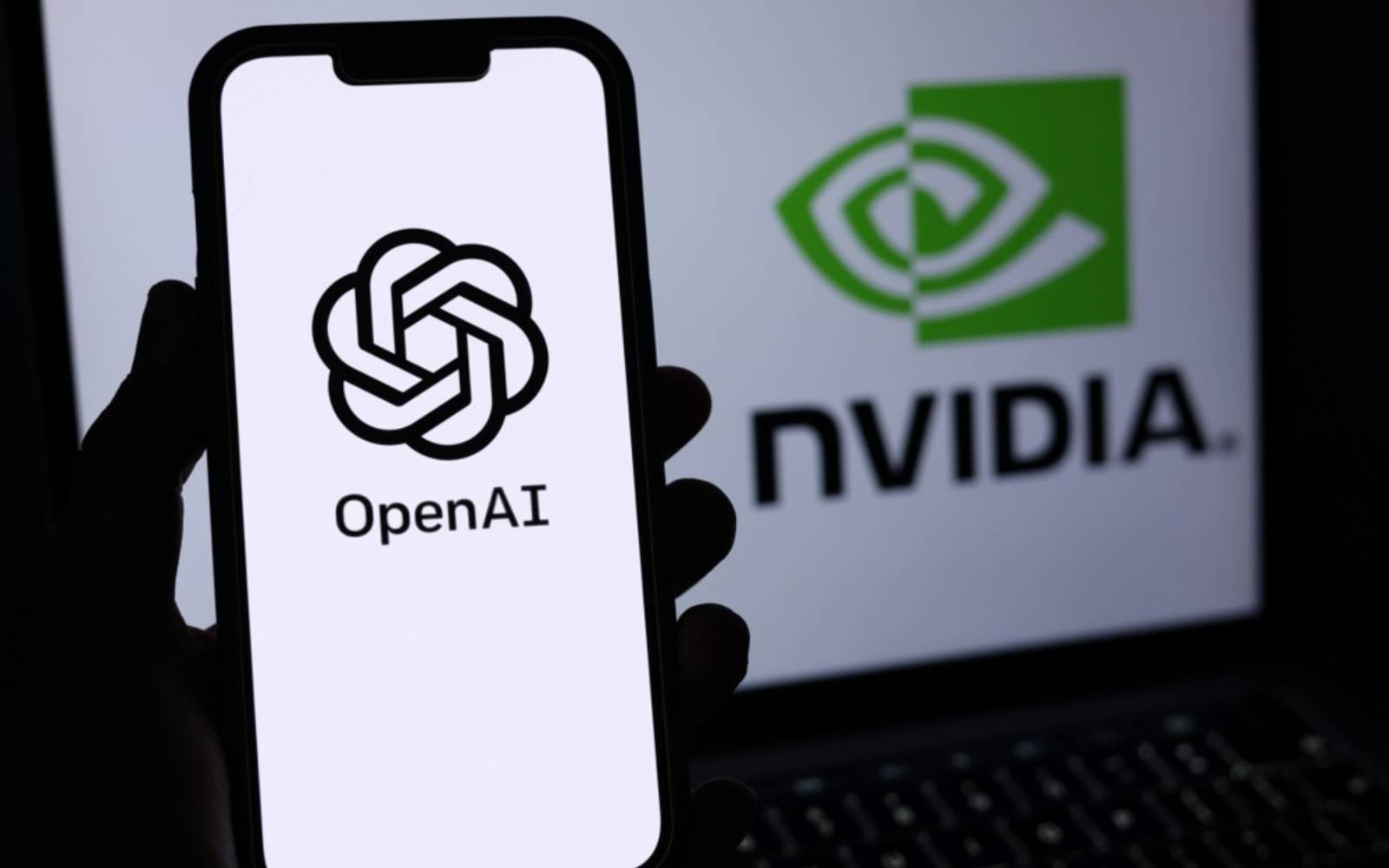
Two of the biggest names in artificial intelligence are deepening a partnership that could reshape how future AI systems get built. OpenAI and Nvidia have expanded their collaboration to deploy massive new computing infrastructure, underscoring just how much money and hardware modern AI development now requires.
Under the arrangement, Nvidia plans to invest heavily in OpenAI as new data center capacity comes online, with the total commitment reaching tens of billions of dollars over time. The deal centers on deploying a huge amount of computing power, measured in gigawatts, a scale usually associated with powering entire cities rather than computer systems.
The first phase of new infrastructure is expected to come online using Nvidia’s newest chip platform later this year. Company leaders described the partnership as the natural next step in a relationship that stretches back to the earliest days of modern AI development, when Nvidia’s hardware first powered breakthrough research that eventually led to today’s popular AI chatbots.
Executives from both companies framed the deal as essential to keeping pace with surging demand for AI tools across businesses and consumers. As more companies build AI into everyday products, the need for computing power to train and run these systems has grown dramatically, creating a race among tech giants to secure enough chips and data center capacity.
Nvidia’s chief executive said the investment reflects a belief that computing infrastructure will form the backbone of the future economy. OpenAI’s leadership echoed that view, saying access to massive compute resources will allow the company to both push forward new AI breakthroughs and make existing tools more widely available to businesses and individuals.
The scale of the deal has drawn attention across the tech industry, with analysts noting how deeply intertwined major AI companies and their infrastructure partners have become. Some observers have raised questions about the financial risks of such large, interconnected commitments, given how quickly the AI landscape continues to shift.
The partnership also arrives amid growing competition in the AI chip market, as other companies race to develop alternatives to Nvidia’s dominant hardware. Despite that competition, Nvidia has maintained a commanding position, particularly for training the largest and most advanced AI models currently in development.
Beyond the financial and technical details, the deal highlights a broader trend reshaping the tech industry. Companies once seen mainly as software or hardware specialists are increasingly becoming deeply intertwined business partners, blurring traditional lines between chipmakers, cloud providers, and AI developers.
For everyday users, the practical impact may take time to become visible, but experts say expanded computing capacity could eventually support faster, more capable AI tools across a wide range of applications, from customer service to scientific research.
As construction begins on new data center capacity to support the partnership, both companies say they expect the collaboration to continue expanding in the years ahead, cementing their position at the center of the ongoing global race to build increasingly powerful artificial intelligence systems.
