

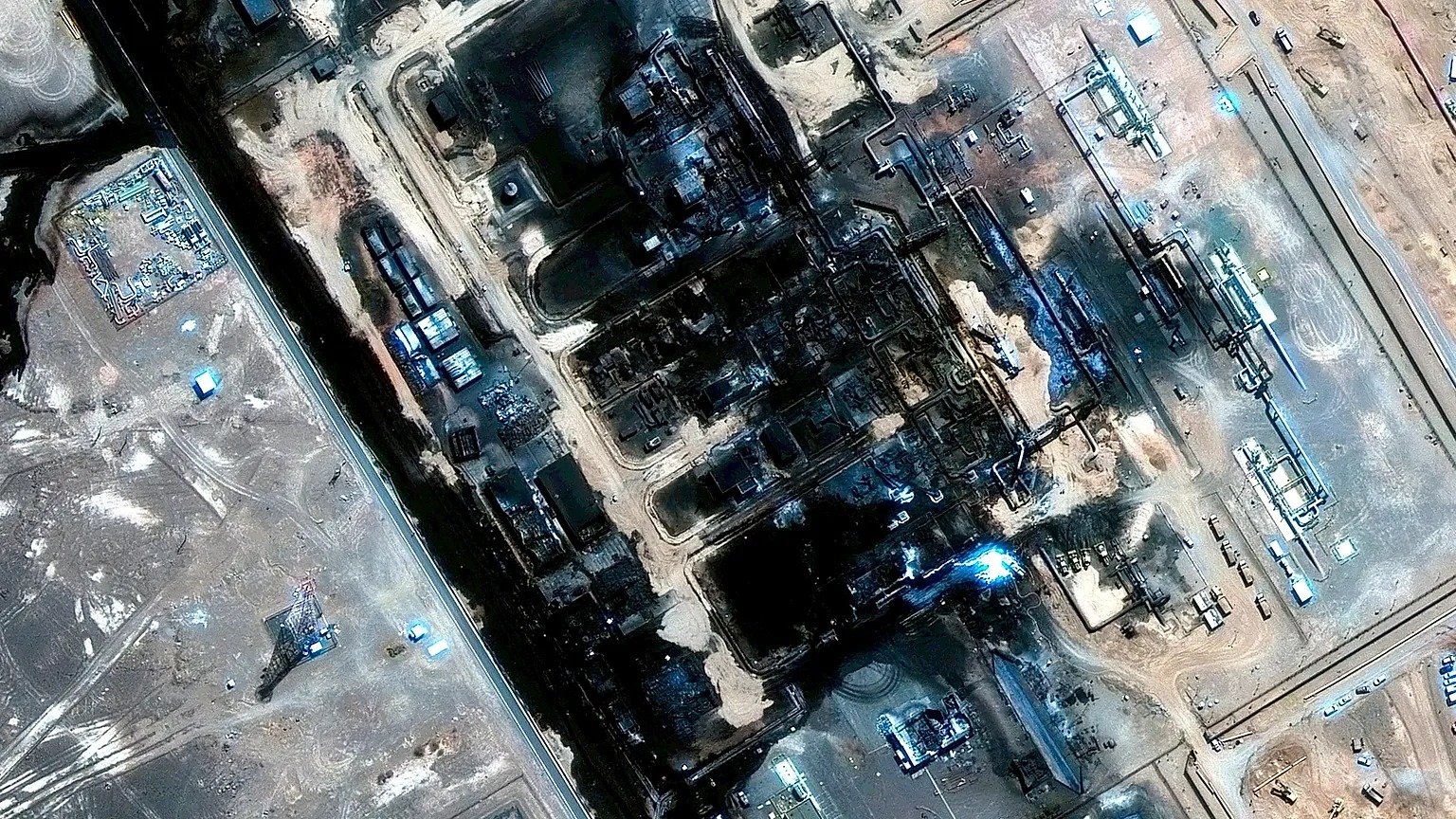
Energy markets face renewed uncertainty as a Gulf pipeline disruption threatens deliveries to both European and Asian markets, with the affected infrastructure shut down and no restart date currently announced by operators managing the critical export route.
This disruption compounds an already challenging situation for Gulf oil exports, which have already declined sharply in recent weeks due to the broader conflict affecting the Strait of Hormuz, creating additional pressure on a regional energy export system already operating under significant strain.
The specific duration of this pipeline shutdown remains uncertain, with the ultimate impact on deliveries to downstream markets depending significantly on how long repair or restart procedures require before normal flow can resume through this significant regional infrastructure.
Energy importing nations in both Europe and Asia now face compounding supply chain challenges, needing to potentially secure alternative sourcing arrangements while this pipeline remains offline, adding further complexity to already strained global energy logistics amid the broader regional conflict.
Industry analysts note that pipeline infrastructure disruptions can result from various causes, including mechanical failures, deliberate targeting connected to regional conflicts, or precautionary shutdowns implemented to protect infrastructure from potential military activity in the surrounding area.
This disruption arrives at a particularly sensitive time for global energy markets, with prices already elevated due to sustained conflict affecting both the Strait of Hormuz and, more recently, the Bab el-Mandeb Strait, creating multiple simultaneous supply chain pressure points.
European energy security has remained a significant policy concern throughout recent years, with this latest disruption adding to existing challenges nations have faced diversifying away from previously dominant supply sources amid various geopolitical tensions affecting traditional energy trade relationships.
Asian energy consumers, including major importing nations with substantial demand for Gulf region crude, similarly face difficult decisions about how to manage potential supply gaps, potentially requiring increased reliance on alternative suppliers or drawing down strategic reserves during the disruption period.
Energy company stocks with exposure to affected supply chains have shown mixed reactions to this news, with some producers potentially benefiting from resulting price increases while companies dependent on reliable Gulf region supply face operational planning challenges during the uncertain shutdown period.
International energy agencies continue monitoring the situation closely, providing guidance to affected importing nations while also tracking broader implications for global energy security given the compounding effect of multiple simultaneous supply chain disruptions throughout the region.
As this pipeline disruption continues without a clear resolution timeline, global energy markets face additional uncertainty layered atop already significant conflict related pressures. Affected nations and companies alike must now navigate this compounding challenge while awaiting clearer information about eventual restart timing.
