

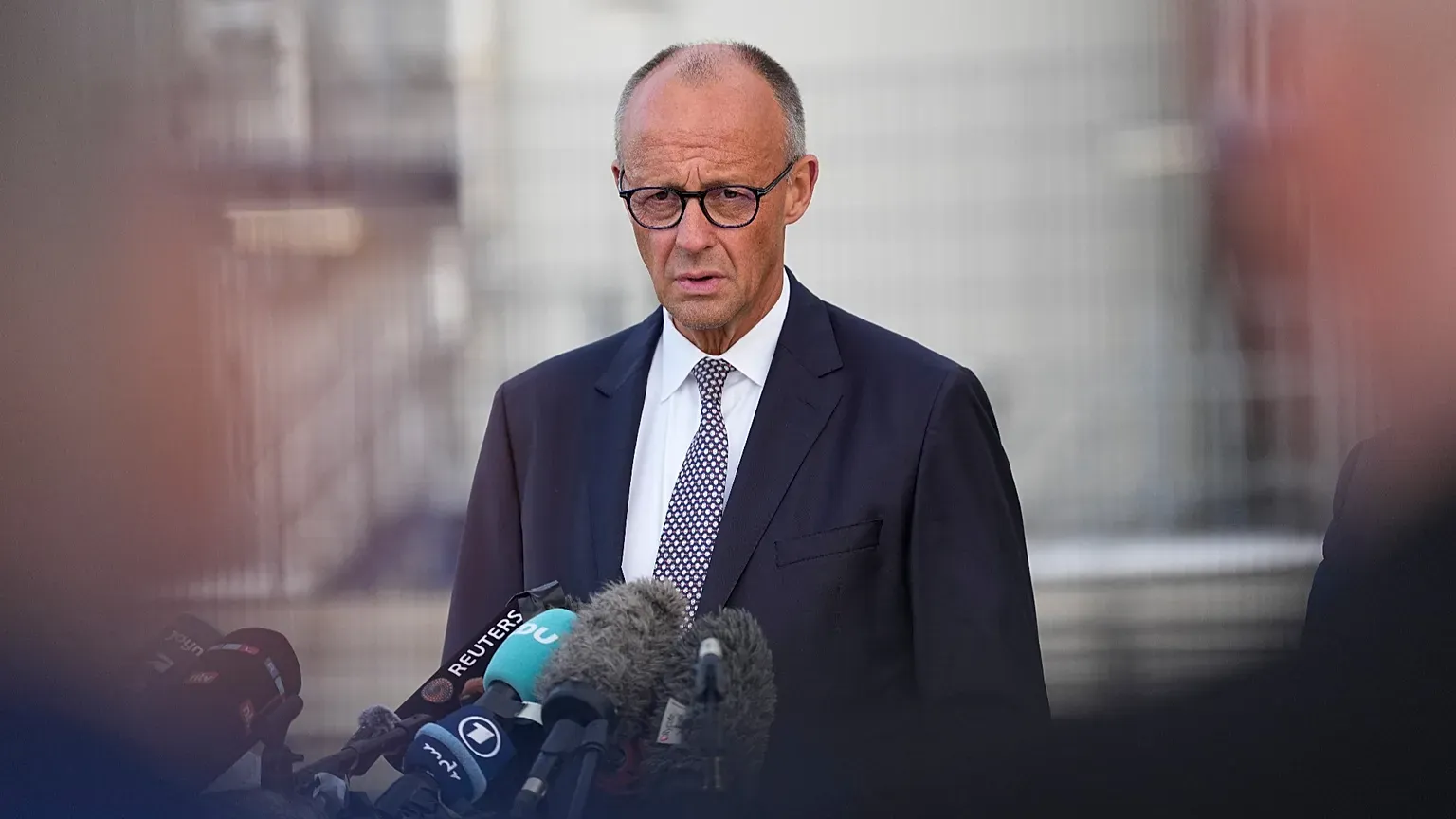
German Chancellor Friedrich Merz Merz faces pressure AfD surge criticism from multiple political directions this week, as fallout continues from the far right Alternative for Germany party’s record breaking performance in the recent Saxony Anhalt state election.
Opposition voices and members within Merz’s own coalition have used the election result to question his government’s approach to key issues, including immigration policy, economic conditions, and continued German support for Ukraine amid the ongoing war with Russia.
The Alternative for Germany’s unprecedented 44 percent showing in Saxony Anhalt has intensified scrutiny of the governing coalition’s overall strategy, with critics arguing that mainstream parties must more directly address voter concerns driving continued far right electoral momentum.
Political analysts note that this pressure campaign reflects broader anxiety within Germany’s traditional political establishment about the far right party’s sustained growth, particularly across eastern German states where economic and social conditions have historically differed from the west.
Merz has publicly defended his government’s record, pointing to various policy initiatives while acknowledging the need to better communicate with voters who have grown frustrated with economic conditions and broader questions about Germany’s role in international conflicts.
Coalition partners have shown some public friction regarding how to respond to the election results, with different factions advocating varying approaches ranging from more centrist positioning to potentially adopting some policy positions that might address concerns driving far right support.
This internal debate occurs against a backdrop of significant economic challenges facing Germany, including factory closures and rising living costs that have created genuine hardship for many voters, complicating the government’s efforts to project confidence in its economic management.
International observers continue monitoring Germany’s political situation closely, given the country’s significant role within European Union decision making and its importance to continued Western unity regarding support for Ukraine throughout the ongoing conflict with Russia.
Some political commentators suggest that continued pressure on Merz could eventually affect his government’s stability, though most analysts believe significant near term changes remain unlikely given the practical challenges of assembling alternative governing coalitions within German politics.
The chancellor’s allies have pushed back against what they characterize as premature crisis narratives, arguing that single state election results, while significant, do not necessarily predict outcomes in future national elections where different dynamics and considerations typically apply.
As this political pressure continues building, attention remains focused on how Merz’s government responds to growing calls for policy adjustments. The coming weeks will likely reveal whether this election result prompts meaningful strategic shifts or whether the government maintains its current approach despite mounting criticism.
