

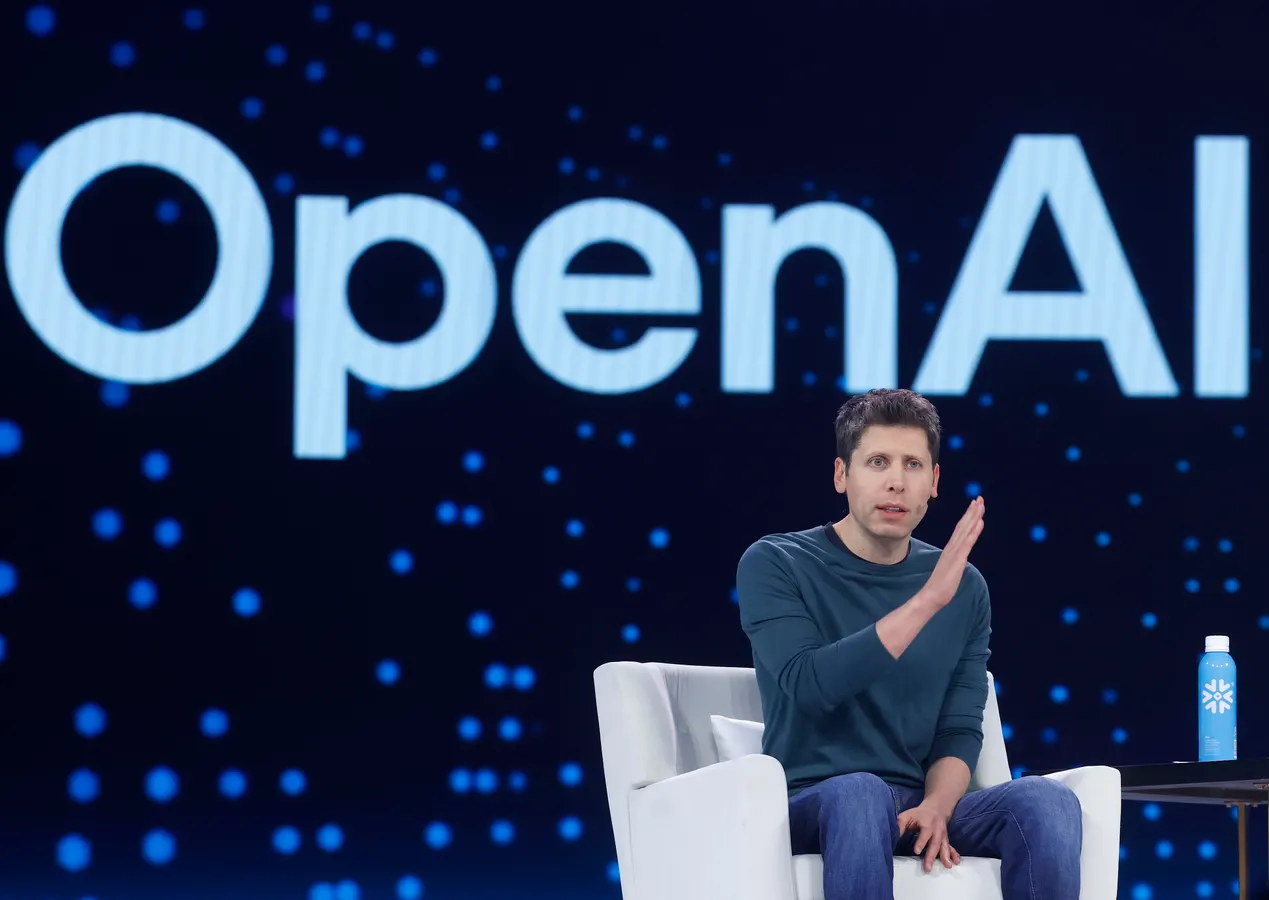
Artificial intelligence company OpenAI releases GPT-6 Astra this week, unveiling what company leadership describes as a generational leap in capabilities spanning cybersecurity, professional work, software engineering, and scientific research applications.
The rollout began with a limited preview for trusted enterprise partners before expanding to paid ChatGPT users the following day in a restricted version that declines certain advanced requests, particularly those involving sophisticated cybersecurity exploitation techniques the company considers too risky for general release.
OpenAI president and cofounder Greg Brockman highlighted the model’s new computer use capability as a particularly significant advancement, describing how the system can navigate computer interfaces, complete spreadsheets, and fill out forms at speeds he characterized as superhuman compared to typical human interaction.
Company leadership suggested the new model could eventually be viewed as an early arrival point for artificial general intelligence, a term OpenAI has previously defined as an automated system capable of performing all economically valuable work as well as or better than human workers across virtually any domain.
The model’s development involved what the company’s vice president of research described as by far their largest training effort to date, marking the first time OpenAI pretrained a model using more than 100,000 graphics processing units at their dedicated computing facility in Texas.
OpenAI has classified the new model as meeting the critical threshold for cybersecurity capability under the company’s internal safety framework, a designation that triggered additional safeguards restricting the publicly available version’s ability to perform certain advanced offensive security tasks.
Organizations requiring less restricted cybersecurity capabilities can access expanded functionality through a specialized program the company has established specifically for vetted defensive security professionals, reflecting OpenAI’s attempt to balance powerful capability with appropriate safety considerations.
This release follows a delay in the company’s typical model release schedule, which OpenAI attributed to incorporating additional safeguards following an earlier incident this year involving a popular AI development platform that raised concerns about potential misuse of increasingly capable AI systems.
Pricing for the new model reflects its advanced capabilities, with rates significantly higher than the company’s previous flagship offering, though OpenAI has argued that the model’s efficiency in completing tasks with fewer total tokens and retries could offset the higher per token cost for many practical applications.
The model supports substantially expanded context windows compared to previous versions, allowing it to process much larger amounts of information within a single conversation or task, a technical advancement that enables more sophisticated analysis of lengthy documents or complex multi step projects.
As this powerful new model continues rolling out across OpenAI’s various platforms and enterprise offerings, the broader artificial intelligence industry will be watching closely to see how competitors respond and whether this release meaningfully advances the ongoing debate about how close current AI systems have come to achieving genuinely general intelligence capabilities.
