

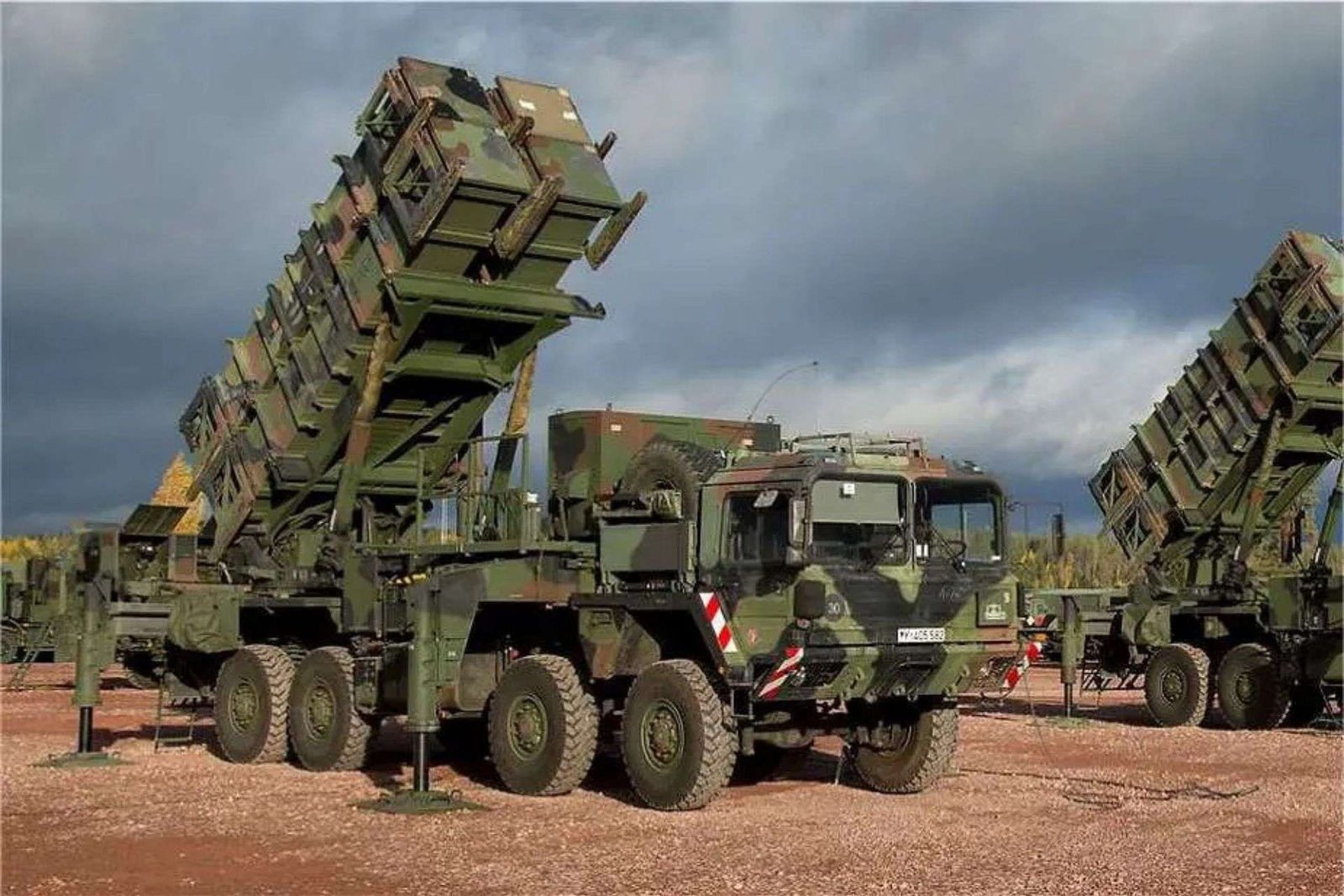
Ukraine’s air defense capabilities continue deteriorating as a Ukraine missile shortage cripples the country’s ability to intercept incoming Russian ballistic missiles, with officials reporting some recent barrages went almost entirely unopposed due to depleted interceptor stockpiles.
Ukrainian officials confirmed that intercept rates for ballistic missiles have fallen dramatically, with some data showing as low as fifteen percent of incoming ballistic threats successfully stopped during recent months, forcing defenders to ration increasingly scarce interceptor missiles during attacks.
The shortage has produced devastating consequences for civilians living in targeted areas. Recent strikes on Kyiv and surrounding regions have killed dozens of people in single incidents, with officials directly attributing preventable casualties to the lack of available interceptor missiles during these attacks.
President Zelenskyy has repeatedly pressed international allies for increased interceptor deliveries, noting that supplies received this year have fallen to roughly a third of levels provided during the previous year, even as Russia has simultaneously escalated the pace and intensity of its missile campaign against Ukrainian cities.
Global demand for Patriot interceptor missiles has intensified significantly due to the separate conflict between the United States and Iran, which has consumed substantial interceptor stockpiles that might otherwise have been available for allocation toward Ukraine’s ongoing defensive needs.
The primary manufacturer of these interceptor missiles produces only a limited number annually, a figure that must be distributed among eighteen different countries operating Patriot missile systems worldwide, creating intense competition for a genuinely scarce and expensive military resource.
European allies have begun developing an independent anti-ballistic missile defense system specifically designed to reduce dependence on American supplied interceptors, though this ambitious project remains years away from full operational capability even under optimistic development timelines.
Ukrainian officials have expressed growing frustration with the pace of international support, with some suggesting that delays in providing adequate air defense resources may reflect broader diplomatic calculations rather than simply logistical or manufacturing constraints facing allied nations.
The economic toll of sustained missile strikes extends well beyond immediate casualties, with damaged infrastructure, disrupted commerce, and displaced populations creating cascading effects throughout Ukraine’s already strained wartime economy, according to assessments from various international organizations monitoring the conflict.
International organizations have documented a significant increase in civilian casualties during recent months compared to previous periods of the conflict, with officials specifically attributing this troubling trend to the escalating use of ballistic missiles against populated areas far removed from actual front line military operations.
As winter approaches, concerns are mounting that Russia may intensify strikes against Ukraine’s energy infrastructure, following patterns seen in previous years. Without significantly improved air defense capabilities, officials warn that the coming months could prove especially difficult for Ukrainian civilians already enduring years of sustained conflict.
