

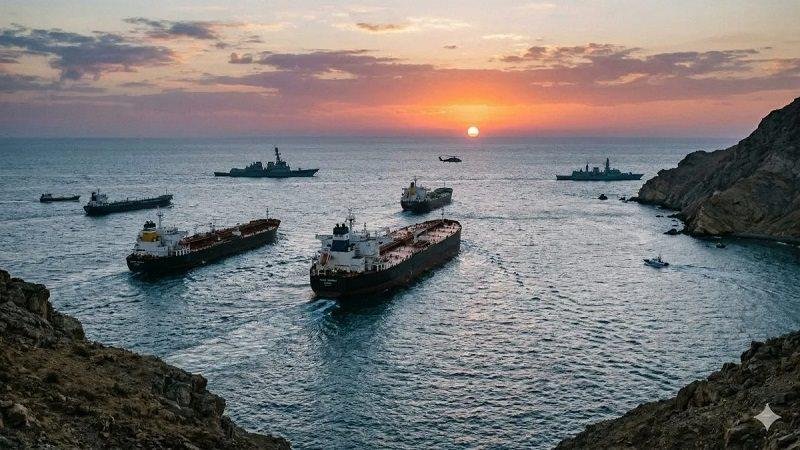
Oil prices fell again on Thursday as investors watched talks aimed at easing the crisis around the Strait of Hormuz. The waterway is one of the world’s most important energy routes, so any change in shipping through the area can quickly affect oil markets and prices around the world.
Brent crude fell as traders saw signs that talks could help improve the flow of ships through the strait. The talks involve Iran and regional states seeking ways to manage shipping and reduce the risk to energy supplies.
The Strait of Hormuz is vital to the global oil trade. Large amounts of crude oil and fuel pass through the waterway each day. Any major disruption can raise costs for countries that depend on imported energy.
Shipping activity through the strait increased slightly on Wednesday. Data showed that 10 commodity vessels passed through the waterway, compared with eight the previous day. The number is still below the recent average of about 15 vessels over 10 days.
The increase may look small, but traders are watching every movement. A steady rise in shipping could suggest that some companies are becoming more confident about sending vessels through the area.
The situation remains risky. Some ships may also be moving with their tracking systems turned off. That means the real number of vessels using the waterway could be higher than the available data shows.
Iran and Oman have been discussing ways to manage traffic through the strait. The talks are also linked to questions about control and revenue from the waterway.
Qatar is taking part in wider diplomatic efforts as well. Qatar’s prime minister is expected to visit Tehran on Thursday to support efforts to restart talks between Iran and the United States.
These diplomatic moves have affected oil markets. Traders often react quickly to any sign that a major supply risk could ease. If ships can move more safely through the Strait of Hormuz, the pressure on oil prices could fall.
Oil prices have already changed sharply during the wider Middle East conflict. Brent crude reached more than $120 a barrel earlier this year. It has remained far above last year’s level, although recent prices have moved lower.
The war has also hurt other parts of the energy market. Diesel and jet fuel prices have risen. Gulf production and refinery operations have faced disruption. European energy markets have also felt the effects.
The longer the crisis lasts, the bigger the risks become for businesses and consumers.
Higher oil prices can increase transport costs. Airlines can face higher fuel bills. Factories may pay more for energy. Those costs can eventually reach consumers through higher prices for goods and services.
Lower oil prices would bring some relief. But traders are not yet convinced that the risk has disappeared.
The Strait of Hormuz remains a major concern because it carries a large share of global energy trade. A serious and long disruption could create shortages and push prices much higher.
The talks are therefore being watched far beyond the Middle East.
Asian economies depend heavily on energy imports. European countries also remain exposed to changes in global fuel prices. The United States, while producing large amounts of oil, can also feel the effect through global markets.
The energy crisis has already changed the outlook for the world economy. Six months of conflict have raised fuel costs and placed pressure on trade routes.
Yet global financial markets have shown surprising strength. Technology stocks and strong demand for artificial intelligence have helped support major stock indexes.
That balance could change quickly if the Hormuz crisis becomes worse.
For now, traders are focused on diplomacy. Any agreement that allows more ships to pass safely could bring further relief to energy markets.
The latest movement in shipping is only a small sign. But after months of tension, even a small increase in traffic is important.
The Hormuz Talks Oil Prices link shows how closely diplomacy and the global economy are connected. If talks make the waterway safer, energy markets could gain more stability. If talks fail, the risk of another oil price jump will remain.
