

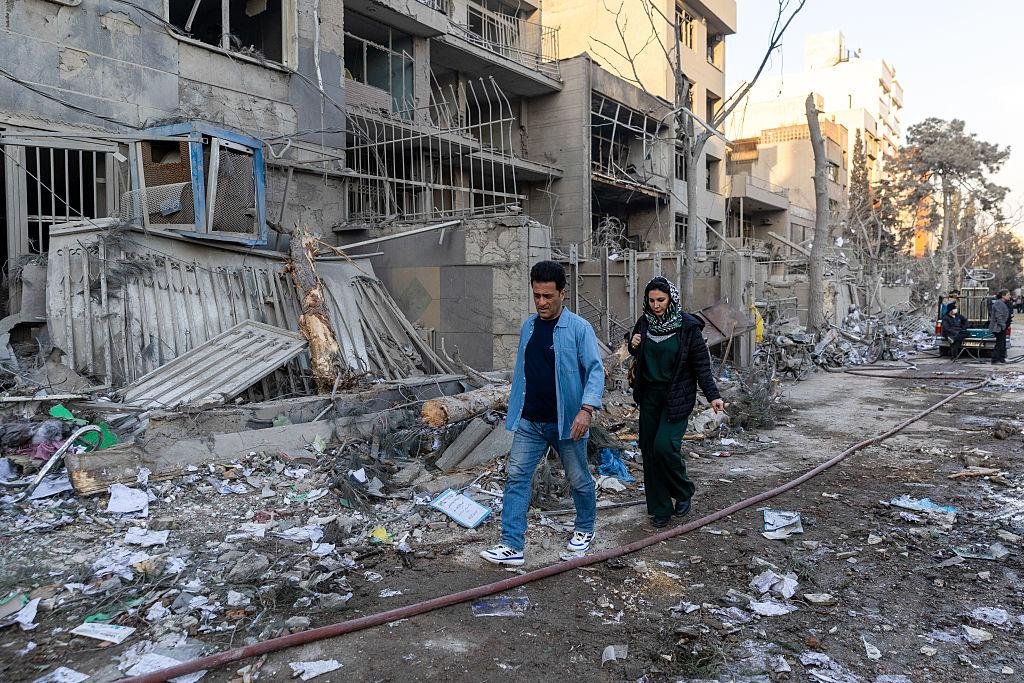
The war involving the United States, Israel and Iran has reached its sixth month with no quick end in sight. What was expected to be a short military campaign has developed into a prolonged conflict with serious effects on energy markets, global trade, regional politics and military planning.
The war began after US and Israeli strikes on Iran earlier this year. President Donald Trump had expected the campaign to last only a few weeks, but the fighting and wider tensions have continued for months. The longer conflict has created new challenges for governments that had expected a much shorter confrontation.
Iran has suffered heavy damage to military sites and other parts of its infrastructure. Despite those losses, the country still has the ability to launch missile attacks and carry out other forms of military action. This has made it difficult for the United States and Israel to claim that the conflict has produced a clear military outcome.
One of the biggest risks remains the Strait of Hormuz. Iran’s position near the waterway gives it the ability to put pressure on international shipping, making the strait one of the most important strategic points in the conflict. A major disruption there could affect oil and gas supplies far beyond the Middle East.
Shipping through the waterway has fallen well below normal levels during the conflict. Some vessels have continued to pass through the strait, but many shipping operators remain cautious because of the risks involved. That uncertainty has affected the movement of energy supplies and increased concerns about the stability of global trade.
The caution has also created an economic cost. Oil prices rose sharply during the conflict, with Brent crude moving above $120 a barrel earlier this year. Prices have since fallen from those levels, but they remain higher than they were before the war, keeping pressure on energy-dependent economies.
Fuel prices have also been affected by supply problems. Diesel and jet fuel have faced higher costs, creating additional pressure for airlines, transport companies and businesses that depend heavily on fuel. Higher energy costs can eventually reach consumers through more expensive travel, transportation and goods.
The conflict has also created problems for Gulf economies. Countries that depend heavily on energy exports and important trade routes have faced new risks as fighting and uncertainty continue. Qatar has suffered major losses because some of its gas supplies have been stranded, while European markets have also felt the impact of reduced energy flows.
The wider global economy has remained stronger than some early forecasts suggested. Stock markets have shown resilience in part because of strong demand for technology and artificial intelligence. However, the resilience of financial markets does not mean the war has had no economic impact.
Higher energy prices can make it harder for central banks to control inflation. They can also increase the cost of transporting goods around the world, putting pressure on companies and consumers. If energy costs remain elevated for a long period, the effects could become more visible across the global economy.
The military cost for the United States has also increased. American forces have lost aircraft and large amounts of military equipment while Washington has moved important military assets into the region. The deployment has placed additional pressure on US forces and reduced some of the equipment and resources available for other regions.
The war has also created political problems for Trump. His approval rating has fallen during the conflict, while the length and cost of the campaign have caused disagreements inside his own political camp. Some Republicans have questioned whether the United States should continue a prolonged military operation.
The approaching US midterm elections add another layer of pressure. The administration will have to consider the political effects of continuing the conflict, particularly if American casualties, military costs or economic pressure remain high.
The nuclear issue remains another major concern. US and Israeli attacks damaged Iranian nuclear facilities and slowed parts of the country’s program, but outside experts still do not have a complete picture of Iran’s nuclear activities. Limited access and difficulties with verification have made it harder to determine the full condition of the program.
That uncertainty means the nuclear issue is far from settled. Even if military strikes have damaged important facilities, questions remain about Iran’s remaining capabilities, nuclear materials and ability to rebuild parts of its program. These concerns could continue to shape diplomatic and military decisions.
Diplomatic efforts are therefore becoming increasingly important. Qatar’s prime minister is expected to visit Tehran as part of efforts to restart negotiations, while Oman has also played a role in attempts to reduce tensions around the Strait of Hormuz.
Iran has rejected stronger US economic pressure and continues to argue that sanctions will not force Tehran to surrender its position. The United States, meanwhile, has continued to increase pressure on Iran, leaving little sign that either side is ready to accept the other’s main demands.
That leaves the conflict at a difficult point. Military action has caused major damage, but it has not produced a clear final result. Neither side appears prepared to accept all the demands of the other, raising the possibility that the conflict could continue unless diplomacy produces a breakthrough.
The war has also demonstrated how quickly a regional conflict can affect the wider world. Energy prices, shipping routes, food costs and financial markets can all respond to developments thousands of miles away, forcing countries far from the fighting to prepare for new economic and political risks.
The Iran war’s sixth month is therefore about much more than military operations. It has become a global economic and political problem, with consequences for governments, businesses, consumers and financial markets around the world.
The next phase may depend heavily on whether diplomacy can make meaningful progress. Successful negotiations could improve shipping conditions and reduce pressure on energy prices, while a failure to reach an agreement could allow the conflict to continue putting pressure on markets and governments.
After six months, the central question remains the same: can diplomacy end a war that military power has failed to resolve quickly? The answer could determine not only the future of the conflict, but also the stability of energy markets and the wider international economy.
