

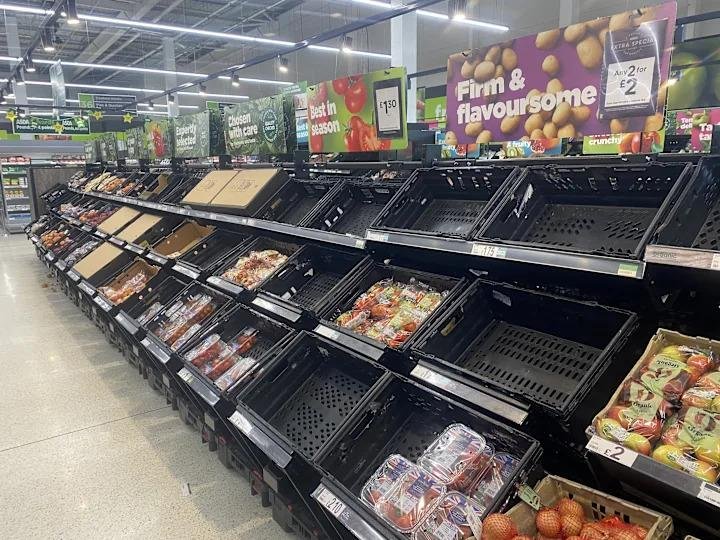
People in Britain are being urged to prepare for possible disruption to food and other basic supplies. The warning is part of a new government resilience campaign. The plan aims to help households cope with a major emergency and reduce pressure on public services during a crisis.
The campaign comes as the UK faces a mix of risks. These include extreme weather, cyber attacks, problems with transport and possible threats from hostile states. Officials want people to have basic supplies at home so they can manage if normal services are disrupted.
The message does not mean the government expects a food shortage soon. Instead, officials want households to be better prepared for a serious event. The plan is based on the idea that families should be able to manage for a period without immediate help.
Food security has become a bigger issue across Europe. Extreme heat, drought and floods can damage crops. A problem in one major food producing region can also affect prices in other countries. Britain imports a large amount of its food, which makes transport and supply routes important.
Climate change adds another layer of risk. Hot weather can reduce crop yields. Heavy rain can damage farmland. Drought can reduce water supplies. These events can happen at the same time in different parts of the world.
British food groups have already warned about the pressure facing the food system. Some companies and charities have called for stronger planning. They say the country needs better protection against climate shocks and other threats to food supplies.
The issue also has an economic side. If supplies fall while demand remains high, prices can rise. Families with lower incomes may feel the effect first. Higher food costs can also increase pressure on wages and household budgets.
Britain’s dependence on imports makes transport a key concern. Food can arrive by ship, plane, rail and road. Any serious disruption at ports or on major routes could slow deliveries. Fuel shortages could make the problem worse.
The government is also concerned about wider national resilience. Modern life depends on many systems working together. Electricity, water, phones, transport and digital services all support the food system. A major failure in one area can quickly affect another.
The UK has also faced a more uncertain security environment. Britain is supporting Ukraine and has warned about threats linked to hostile states. Cyber attacks and other forms of disruption have become part of the wider security debate.
That does not mean every supply problem is linked to a security threat. Climate events can cause serious damage without any human attack. But officials say households should be ready for more than one type of emergency.
Experts have long argued that preparation can reduce the effect of a crisis. Having basic food, water and other supplies at home can give people more time to respond. It can also allow emergency services to focus on people who need urgent help.
The challenge is finding the right balance. Too little preparation can leave people exposed. Too much fear can lead to panic buying and unnecessary pressure on shops. Officials therefore need to give clear advice and avoid creating public alarm.
The new campaign shows that the UK Food Supply is now being viewed as part of national resilience. Britain is preparing for a future in which climate shocks, supply problems and security risks may happen together. For households, the message is simple: basic preparation can make a difficult event easier to manage.
