

The United States has widened its economic pressure on Iran, adding nearly 60 people, firms and vessels to its sanctions list. The move came as Washington seeks to cut Iran off from key trade and money flows. It also puts more foreign firms at risk if they keep doing business with Iran.
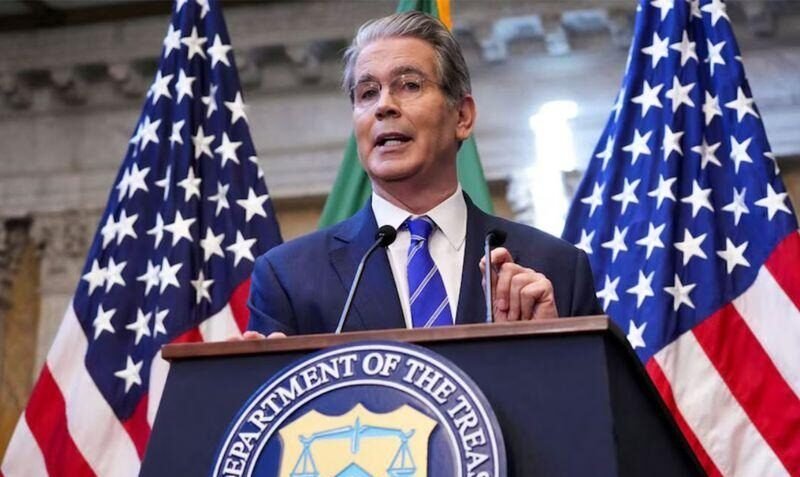
US Treasury Secretary Scott Bessent said the new plan targets key parts of Iran’s economy. They include oil, shipping, aviation, gold, technology and digital assets. The aim is to make it harder for Tehran to earn money and move funds across borders.
The action is part of a wider US campaign called Operation Economic Outcast. Washington says the plan will put more pressure on Iran after months of war and rising tension in the region. The United States has also warned firms in other nations that they may face penalties if they help Iran avoid the new rules.
Iran has rejected the move. Its leaders say the sanctions will not force Tehran to give in. Iran has also said it has plans to deal with the pressure. The dispute comes at a time when both sides have spoken about talks while still trading sharp warnings.
The new rules may affect firms far beyond Iran. Companies that use US banks, trade in dollars or work with US firms must now review their links to Iran. Some may cut trade even if they do not deal with the United States directly. The risk of losing access to US markets can be very high.
The pressure also reaches the shipping sector. Firms that move Iranian goods may face new risks. That could make trade more costly. It could also slow the flow of goods through a region that already faces major shipping problems.
Oil is a key part of the dispute. Iran remains a major oil producer, and oil sales are vital to its economy. A sharp fall in Iranian oil sales could hurt Tehran. But it could also affect world energy markets if supply falls too far.
The Strait of Hormuz adds another risk. The waterway is a key route for oil and other goods. Traffic has fallen sharply during the crisis. A long disruption could raise costs for fuel, food and transport in many countries.
The sanctions also target technology and digital assets. That matters because modern trade can move money through online services and firms in many nations. US officials want to close some of those routes. Iran may seek other paths, which could lead to a long contest between US sanctions teams and firms that help move money.
China is another major issue. Beijing buys Iranian oil and has warned Washington against disrupting its trade with Tehran. A wider US move against Chinese firms could raise tensions between the world’s two biggest economies.
For Europe, the new pressure creates a hard choice. European firms must weigh trade with Iran against the risk of US penalties. Governments must also balance support for US policy with the need to keep energy and trade markets stable.
The next phase will depend on whether sanctions change Iran’s choices. They may cut income and raise costs. They may also push Tehran to seek new trade routes and new partners. For now, the US and Iran remain locked in a high risk contest that reaches far beyond their borders.
