

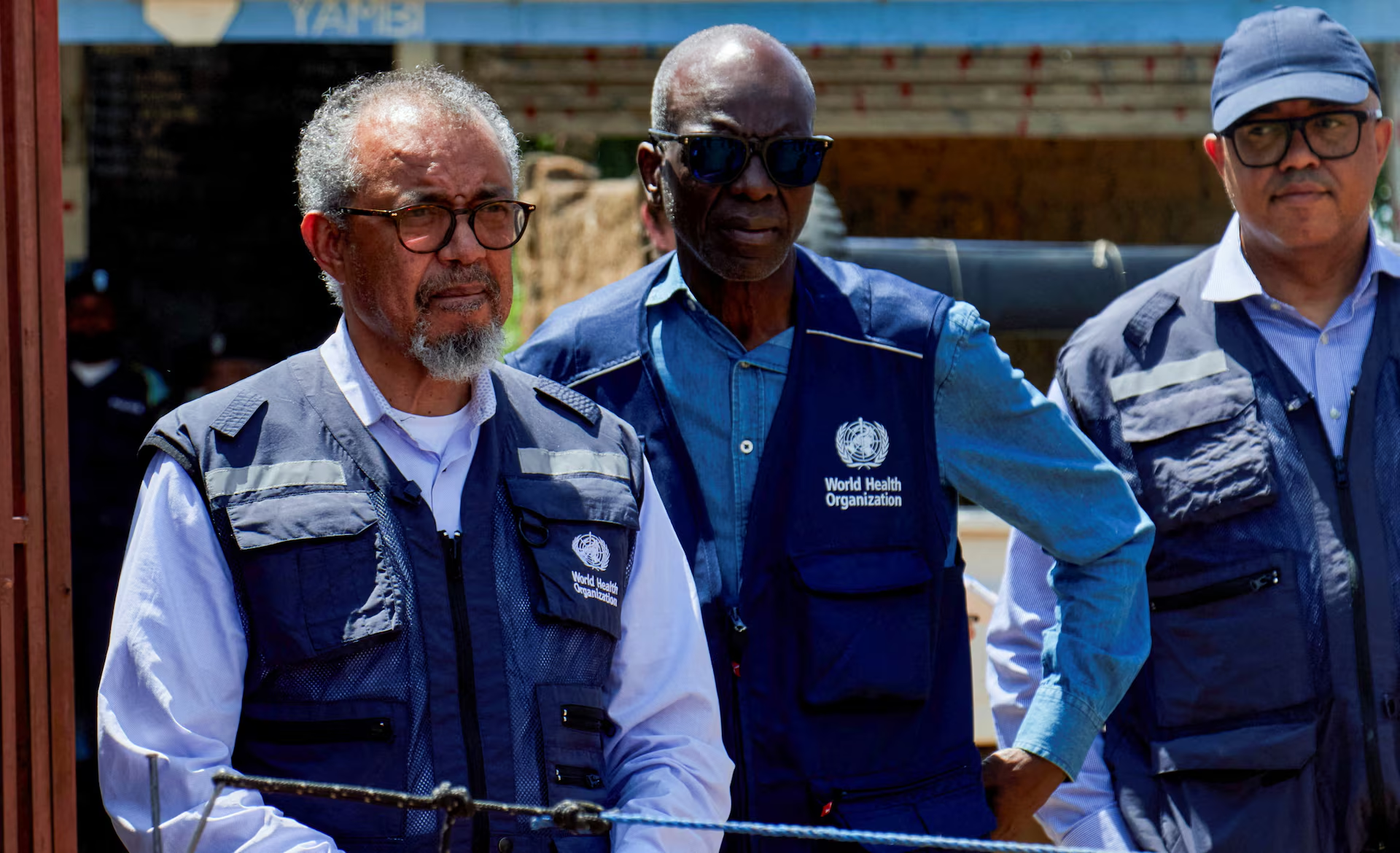
The World Health Organization held a high level WHO Congo Ebola briefing this week, updating member states on the international response to an outbreak that has grown into one of the largest of its kind in the country’s history. The session brought together health officials from countries around the world.
The Director-General opened the briefing by outlining the current scale of the outbreak, which has spread across multiple provinces since it was first detected earlier this year. Health officials described the situation as serious, requiring sustained international support to bring under control.
This particular outbreak involves a less common strain of the virus, complicating both treatment and prevention efforts. Existing therapies developed for more familiar strains have shown limited effectiveness, pushing researchers to explore alternative treatment approaches specific to this variant.
Officials at the briefing highlighted ongoing challenges facing the response effort, including difficulties reaching remote communities, security concerns in parts of the affected region, and existing food insecurity that has strained local resources even before the outbreak began.
Vaccination campaigns have expanded in recent weeks, with priority given to frontline healthcare workers facing the highest risk of exposure. Health officials expressed hope that expanding vaccine access to broader populations could help slow the outbreak’s continued spread across affected provinces.
International funding and resource commitments were also discussed during the session, with several countries pledging additional support for the response effort. Officials stressed that sustained funding remains critical, given the outbreak’s unprecedented scale compared to previous epidemics in the region.
A small number of cases have been identified outside the immediate outbreak zone, including instances involving aid workers evacuated for treatment elsewhere. Health officials reiterated that the overall risk to the general public in unaffected regions remains very low, despite these isolated cases.
The briefing also addressed coordination challenges between international agencies, local health authorities, and humanitarian organizations working on the ground. Officials emphasized the importance of clear communication and resource sharing to avoid duplication of effort during the response.
Contact tracing efforts continue across affected areas, with health workers following up with a significant portion of identified contacts to monitor for potential symptoms. This process remains a critical tool for containing the outbreak before it spreads into new, previously unaffected communities.
Representatives from donor countries used the briefing to reaffirm their commitments to supporting the response, while also raising questions about long term strategies for strengthening health infrastructure in the region beyond the immediate crisis.
As the briefing concluded, officials emphasized that continued international attention and resources remain essential given the outbreak’s scale and complexity. With the response effort still ongoing, health leaders indicated that further updates would follow as the situation continues to develop in the weeks ahead.
