

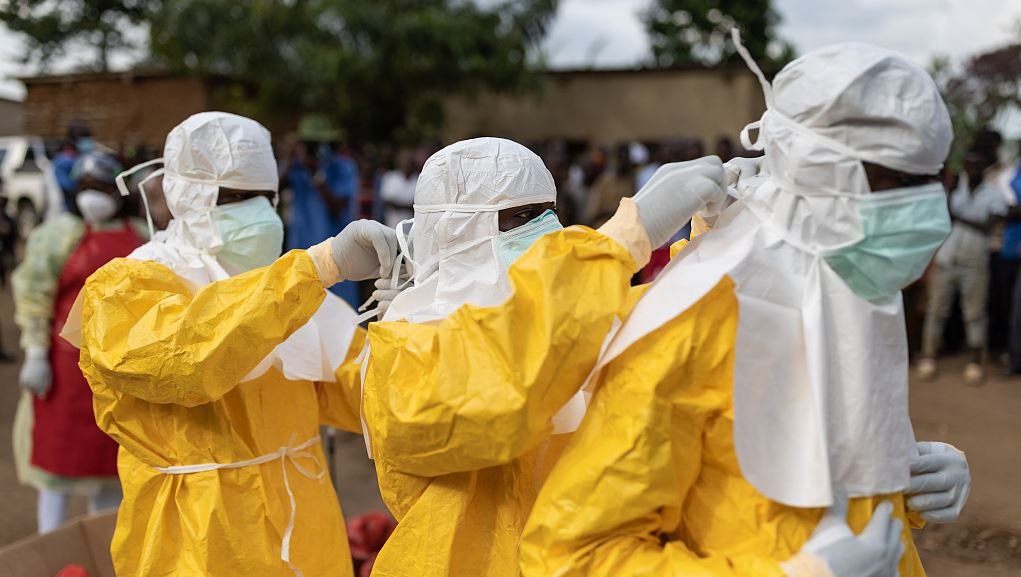
Health officials have confirmed that the ongoing Congo Ebola outbreak record now stands as the largest and deadliest epidemic of its kind in the country’s history. The latest situation report shows thousands of confirmed cases and a substantial number of deaths since the outbreak began earlier this year.
The outbreak, caused by a less common strain of the virus, was first identified in a remote province and has since spread across multiple regions, affecting dozens of health zones. Officials describe the outbreak as unusually fast moving compared to previous Ebola epidemics recorded in the country.
Health workers face significant challenges responding to the crisis, given the remote and densely populated nature of many affected areas. Ongoing security concerns, population displacement, and existing food insecurity in the region have all complicated efforts to contain the outbreak’s spread.
Vaccination campaigns have begun in several affected areas, focusing initially on frontline healthcare workers who face the highest risk of exposure. Health officials hope expanding vaccine access will help slow transmission, though logistical challenges in reaching remote communities remain significant.
The virus strain responsible for this outbreak has complicated treatment efforts, since existing therapies were originally developed for a different, more common strain. Researchers and health organizations continue working to determine the most effective treatment approaches for this less familiar variant.
International health authorities have classified the outbreak as a public health emergency of international concern, reflecting the seriousness of the situation and the need for coordinated global support. This designation has helped mobilize additional resources and expertise to support the response effort.
A small number of cases have been identified outside the immediate outbreak region, including instances involving aid workers who were later evacuated for treatment in other countries. Health officials in affected regions have stressed that the overall risk to the general public in unaffected areas remains very low.
Humanitarian organizations working on the ground describe an increasingly difficult situation, with communities already facing multiple overlapping crises. Limited healthcare infrastructure in many affected areas adds further strain to efforts aimed at both treating patients and preventing further spread.
Contact tracing efforts continue across affected provinces, with health workers following up with a large percentage of identified contacts to monitor for potential symptoms. This kind of tracking remains a critical tool for containing outbreaks before they spread further into new communities.
Global health agencies continue providing support in the form of medical supplies, personnel, and funding aimed at strengthening the response. Officials stress that sustained international attention and resources remain essential given the scale and severity of this particular outbreak.
As the response effort continues, health officials remain focused on expanding vaccination coverage, strengthening contact tracing, and improving access to treatment in the hardest hit communities. Given the outbreak’s unprecedented scale, experts caution that bringing the epidemic fully under control will likely require sustained effort over an extended period.
