

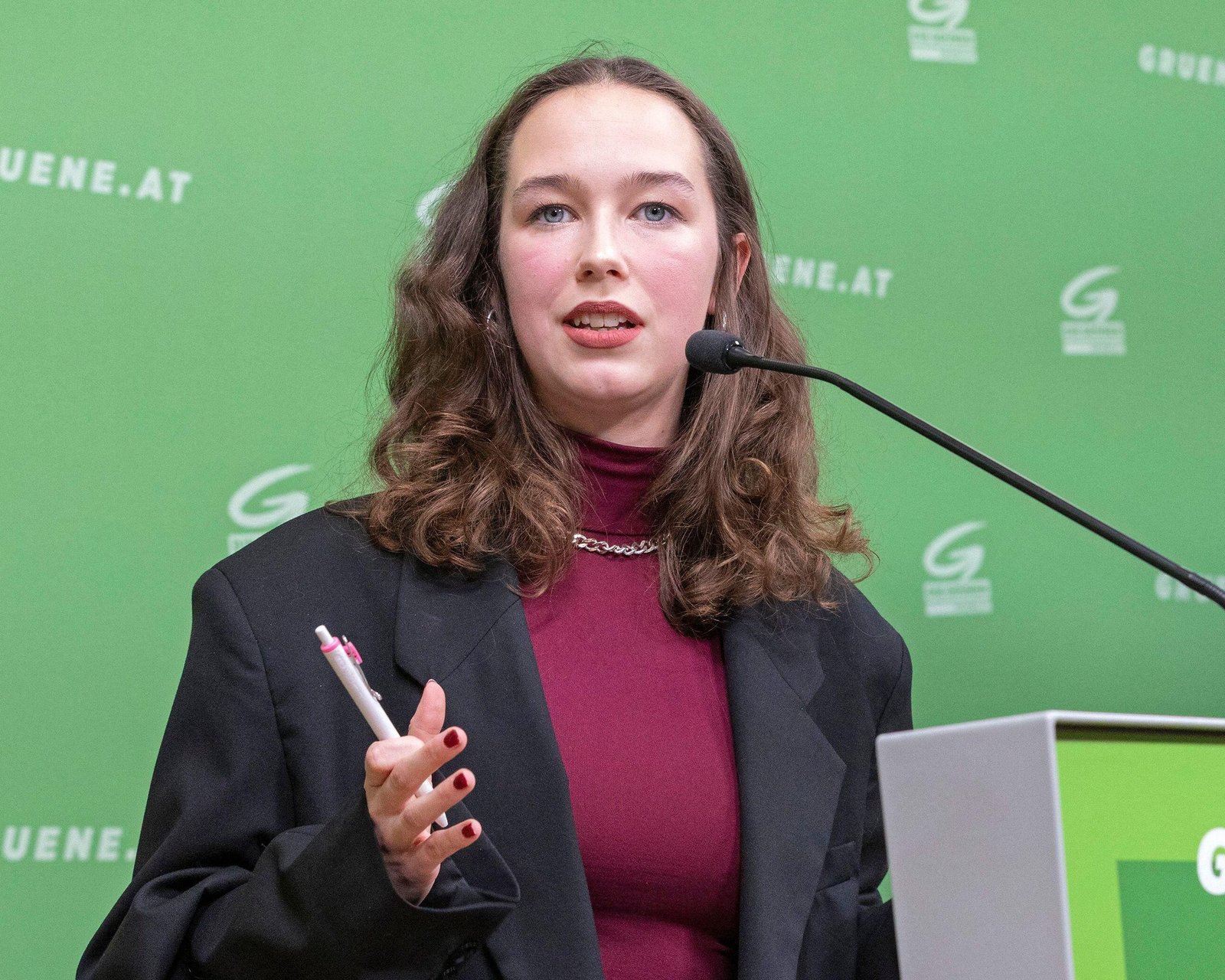
Austrian Green politician Lena Schilling has called for stronger European action against nude deepfakes, saying digitally altered sexual images can harm women and undermine democracy. The images are often created using artificial intelligence to place a person’s face or body into a false sexual scene without their consent. The technology has made it easier to produce convincing fakes and spread them online.
Schilling has described the experience of discovering such images as deeply upsetting. People targeted by deepfakes may face humiliation, harassment and pressure to defend themselves against material that is not real. Even after an image is removed from one platform, copies can continue circulating elsewhere, making it difficult for victims to regain control.
The problem has become part of a wider debate over how governments should regulate artificial intelligence. Generative tools can support creative work, research and communication, but they can also be misused to create false images, impersonate people or spread disinformation. Lawmakers are trying to balance innovation with the need to protect people from abuse.
Women in public life can face particular risks. A fake sexual image may be used to discourage someone from entering politics, reporting wrongdoing or speaking openly. The threat can affect not only the person targeted but also public debate, because people may become less willing to take part in online discussions.
Schilling has urged the European Union to respond more firmly. Possible measures include clearer rules for platforms, faster ways to report abusive content and stronger consequences for people who create or distribute non-consensual sexual images. Enforcement can be difficult when content crosses national borders or is hosted by services outside Europe.
Technology companies also have a role to play. Platforms can improve detection systems, make reporting easier and prevent repeat uploads of material already identified as abusive. Developers of image-generation tools can introduce safeguards designed to reduce the creation of sexual images without consent. These measures are not perfect, but they can make abuse harder to carry out at scale.
Victims may also need legal and emotional support. Removing an image does not always undo the harm caused by its circulation, particularly when the person has faced threats or public humiliation. Clear procedures can help people seek removal, report crimes and access assistance.
The debate over deepfakes is likely to grow as image-generation tools become more advanced. Lawmakers must consider how to protect privacy and dignity while ensuring that rules are practical and enforceable. Schilling’s intervention highlights the need to treat non-consensual deepfake abuse as a serious harm rather than dismissing it as an online joke.
