

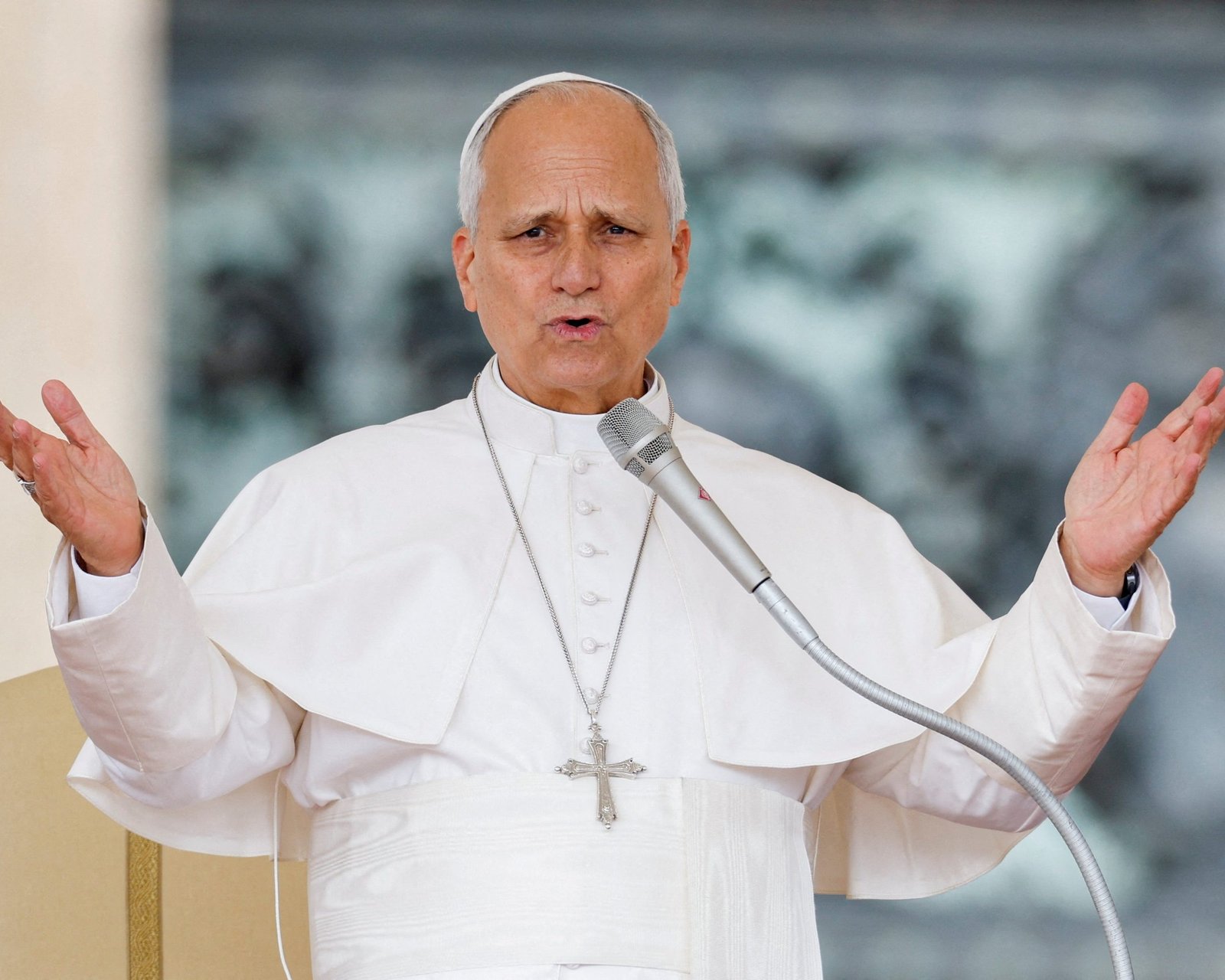
Pope Leo XIV is recovering after surgery to remove part of his right lung, following medical tests that identified a growth confirmed to be lung cancer. The operation took place in Rome earlier in the week. Doctors are expected to monitor his recovery in hospital before deciding when he can safely return to his normal duties.
The procedure was a lobectomy, an operation in which surgeons remove one section, or lobe, of a lung. It is a standard treatment for some cases of lung cancer found at an early stage. For certain patients, removing the affected area may be enough to treat the disease, although the best approach depends on the type of cancer, its size and whether it has spread.
The pope’s case has drawn attention because his health is closely linked to the work of the Catholic Church. His public schedule includes meetings, religious services and international responsibilities. Even a short period away from those duties can require changes to planned events and arrangements for church leaders.
A lobectomy can be performed in different ways. In some cases, surgeons use keyhole techniques that require smaller cuts than traditional open surgery. The method depends on the patient’s condition and the medical team’s assessment. After the operation, doctors watch for complications and help patients regain strength and breathing capacity.
Recovery time varies from person to person. Patients may need several days in hospital, followed by a period of rest and gradual activity. Medical teams often encourage controlled movement and breathing exercises to help the remaining lung tissue work well. Follow-up checks are also important because doctors need to review the final test results and decide whether any further treatment is necessary.
Lung cancer can be difficult to detect early because symptoms may be mild or mistaken for other conditions. A persistent cough, shortness of breath, chest pain or coughing up blood should be discussed with a medical professional. These signs do not always mean cancer, but they can require investigation, especially when they continue or become worse.
The pope’s recovery will be followed by people around the world, but his medical team will determine the pace of his return to public life. Rest and careful monitoring are important after major surgery, even when the operation goes as planned.
His situation also offers a reminder that treatment decisions depend on individual medical evidence. A procedure that is suitable for one patient may not be appropriate for another. Doctors consider the cancer’s stage, overall health and likely benefits before recommending an operation. For now, the focus is on recovery and the next steps in his care.
