

Health authorities responding to Ebola outbreaks face a difficult task when infections spread in areas where medical services are limited. Early detection is essential because patients may become seriously ill before they receive help. Health workers need reliable testing, safe treatment facilities and clear public information to reduce the chance that the virus will spread further.
Ebola is a severe disease that can spread through direct contact with the bodily fluids of an infected person or someone who has died from the illness. Symptoms can include fever, weakness, pain and other serious health problems. People who may have been exposed need prompt medical assessment. Careful infection-control procedures are also important for protecting doctors, nurses, family members and other people who may come into contact with a patient.
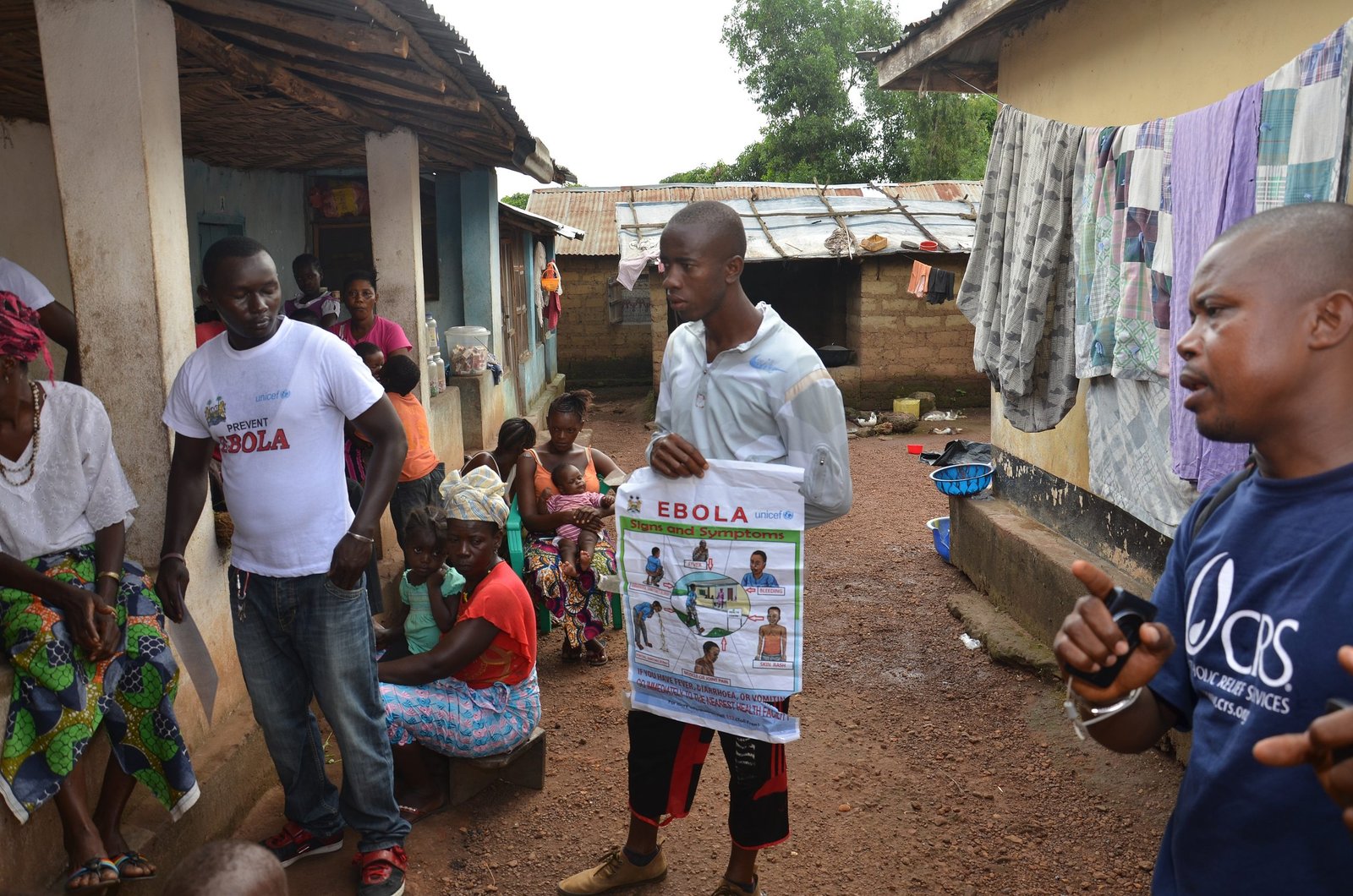
Outbreak response can be complicated by fear and mistrust. Some people may avoid treatment if they believe they will be separated from their families or if they do not understand the advice being given. Health teams often work with local leaders to explain how the disease spreads and why early care matters. Community support can help people report symptoms sooner and follow measures intended to protect others.
Medical supplies alone are not enough to control an outbreak. Authorities also need trained workers, safe transport, reliable communication and funding that can continue for as long as the emergency lasts. International assistance may be needed when local health services are under pressure. Effective preparation and rapid action can reduce deaths and limit further spread, especially when health teams can reach affected communities before the outbreak becomes harder to manage.
