

Public health systems are facing renewed pressure to respond quickly to disease risks while giving people clear and reliable information. Recent health developments around the world have highlighted the need for strong monitoring, rapid testing and cooperation between countries. Experts say these basic tools are important because early action can help stop a local health problem from spreading or becoming more difficult to control.
Health authorities rely on several layers of protection. Hospitals and clinics identify people who may be ill, laboratories test samples, and public agencies study whether cases are connected. When an unusual illness appears, officials may also monitor close contacts and ask people to follow safety advice. These steps can help establish what is happening before a final cause is known.
Clear communication is just as important as testing. When details are limited, rumors can spread quickly online and create unnecessary fear. Officials need to explain what is confirmed, what remains uncertain and what people should do. Saying that an investigation is underway does not mean a major outbreak is occurring. It means health workers need more evidence before they can reach a reliable conclusion.
International cooperation matters because people travel across borders every day. An illness detected in one country may require other countries to review their own monitoring systems, especially when travelers have passed through affected areas. Health agencies can share test results, travel information and medical advice so that governments respond to evidence rather than guesswork.
At the same time, public health systems must avoid overreacting to limited information. Unnecessary restrictions can harm families, businesses and communities without reducing the actual risk. Officials need to match their response to the evidence and update it as new facts become available. This approach helps protect public safety while maintaining trust in health institutions.
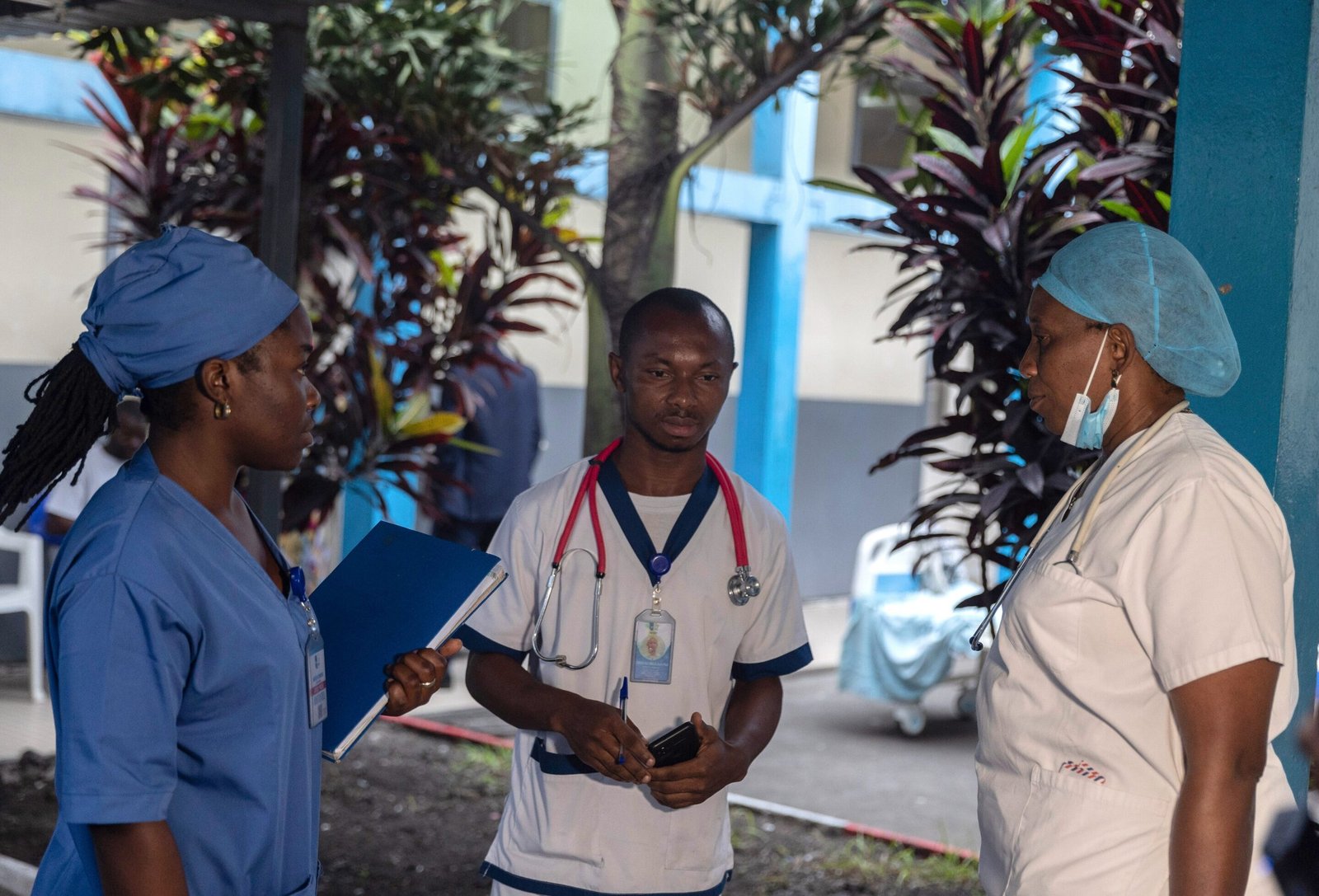
Access to health care remains a major challenge in many regions. Some communities lack enough doctors, trained laboratory workers or medical supplies. When these systems are weak, it can take longer to identify the cause of an illness and provide care. Investment in local clinics, testing facilities and trained staff can help countries detect problems earlier and reduce pressure on hospitals.
Public education also plays an important role. People should know when to seek medical help, how to follow official health advice and where to find reliable information. Clear messages are especially important during emergencies, when false claims can spread quickly. Health agencies can work with local leaders and community groups to make sure advice reaches people who may not follow official websites.
Preparedness includes more than reacting to disease. Hospitals need plans for staff shortages, supply problems and sudden increases in patient numbers. Governments also need ways to share information across departments and maintain essential services during an emergency. Regular exercises can reveal weaknesses before a real crisis begins.
Global Health Preparedness depends on steady work long before a major outbreak or emergency appears. Strong laboratories, trusted public information and cooperation between countries make it easier to respond when a new risk emerges. No system can remove every danger, but better preparation can reduce confusion and help officials act faster. The central lesson is that reliable information and early action are among the most valuable tools in protecting public health.
