

The World Health Organization reported this week that the ongoing Ebola outbreak in the Democratic Republic of Congo has spread to two additional health zones, expanding the geographic footprint of what has already become one of the more significant outbreaks of this particular viral strain in recent years. As of the most recent data, the country has reported nearly eight thousand confirmed cases and close to thirty-eight hundred deaths, representing a case fatality rate approaching fifty percent among those who have contracted the illness.
This particular outbreak involves the Bundibugyo strain of the Ebola virus, which health officials note is especially difficult to treat given the absence of any currently approved vaccine specifically targeting this viral variant. Unlike some other Ebola strains for which effective vaccines have been developed and deployed during previous outbreaks, treatment for this particular strain currently relies primarily on supportive medical care aimed at helping patients survive the illness rather than any targeted therapeutic intervention capable of directly combating the virus itself.
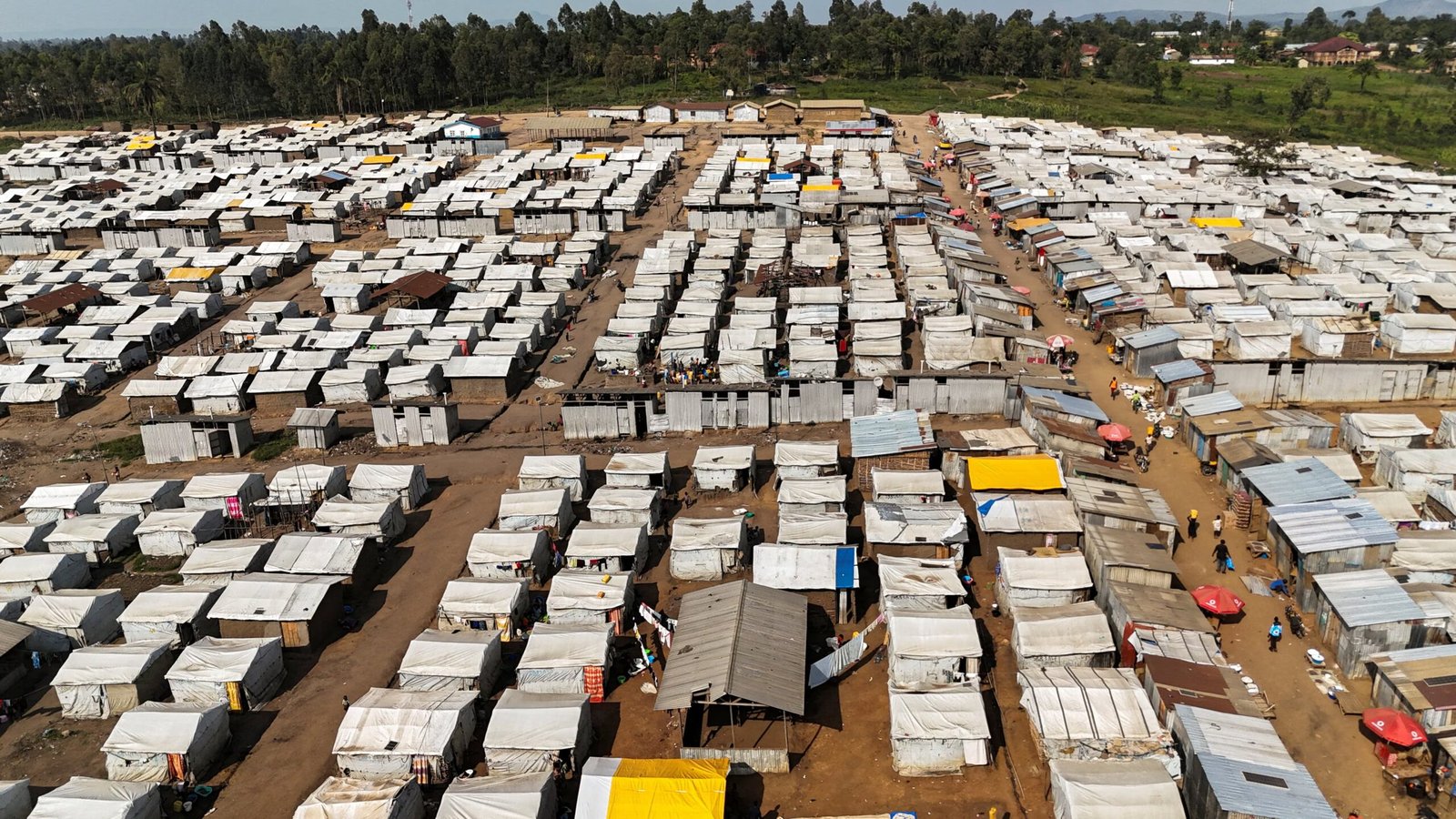
World Health Organization Director-General Tedros Adhanom Ghebreyesus specifically highlighted how ongoing conflict and population displacement within the affected regions have significantly complicated response efforts, making it considerably more difficult for health workers to reach affected communities and conduct the kind of thorough contact tracing essential to controlling outbreak spread. This connection between broader regional instability and public health response capacity illustrates how humanitarian crises can compound each other, with conflict-driven displacement directly undermining the practical ability to implement effective disease control measures.
Medical staff working within affected communities have reported that many patients are delaying seeking care at health facilities until their conditions have become quite severe, a pattern that public health experts attribute partly to fear and mistrust that can develop around treatment centers during serious disease outbreaks. This delayed care-seeking behavior likely contributes to the outbreak’s notably high fatality rate, as earlier medical intervention generally improves survival chances for patients suffering from this kind of severe viral illness.
The expansion into new health zones represents a concerning development for outbreak containment efforts, as each additional affected area requires establishing new treatment capacity, contact tracing networks, and community engagement efforts specifically tailored to local circumstances. Health officials continue working to accelerate the deployment of resources to these newly affected areas, even as the broader challenges of conflict and displacement continue complicating these expansion efforts throughout the affected regions.
International health organizations have emphasized the accelerated development of clinical trials for potential vaccines and treatments specifically targeting this Ebola strain, recognizing that the absence of currently approved medical countermeasures represents a significant gap in the overall response capacity available for addressing this particular outbreak. This research effort, while unlikely to produce immediately deployable solutions for the current outbreak, could prove valuable for improving response capabilities during future outbreaks involving this same viral strain.
As this outbreak continues expanding into new areas, international health officials continue emphasizing the critical importance of sustained funding and support for response efforts, warning that any reduction in international assistance could allow the outbreak to spread further and claim additional lives. The coming weeks will prove important in determining whether expanded response efforts can successfully contain the outbreak’s spread into these newly affected health zones, or whether the combination of ongoing conflict and disease will continue presenting compounding challenges for the affected communities and the health workers striving to assist them.
