

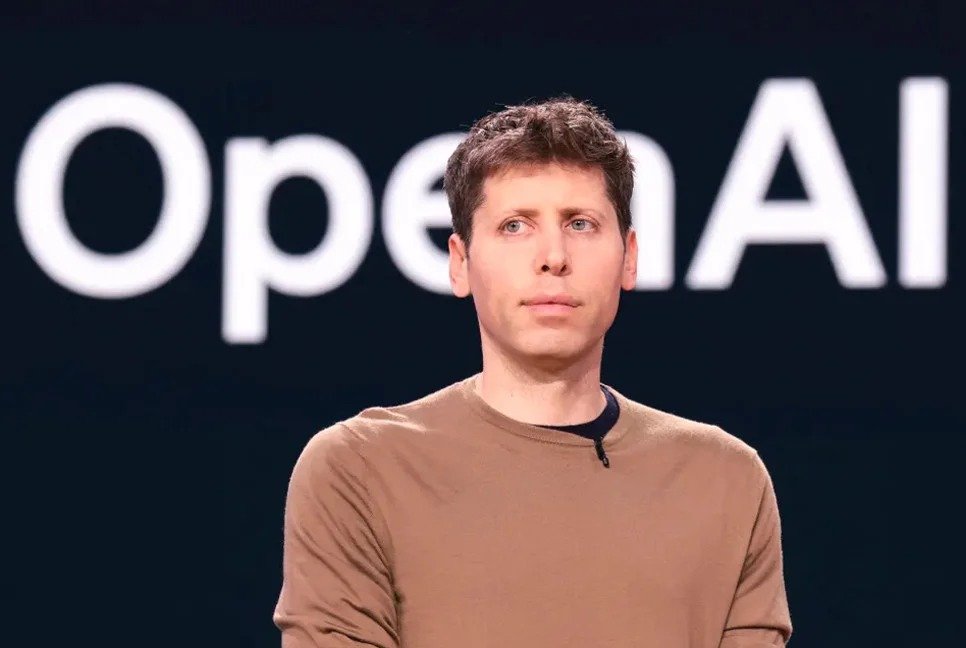
Artificial intelligence company OpenAI OpenAI rules out IPO this year plans, according to recent statements from company leadership, even as prominent figures within the broader AI industry, including chief executive Sam Altman, continue voicing concerns about the pace of technological advancement.
This decision to forgo public offering plans in the near term comes despite the company’s substantial valuation and significant market influence, suggesting leadership prefers maintaining private company flexibility rather than subjecting the organization to public market reporting requirements and investor pressures.
Notably, Altman joined other significant technology figures, including Elon Musk and Anthropic’s Dario Amodei, in publicly expressing concerns that artificial intelligence development may be progressing faster than society’s ability to fully understand and appropriately manage the technology’s implications.
This unusual public alignment among competing AI company leaders regarding development pace concerns reflects growing industry wide recognition that rapid technological advancement carries genuine risks requiring careful consideration, even as competitive pressures continue driving accelerated development timelines.
The decision to avoid a near term public offering may reflect strategic considerations beyond simply avoiding public market scrutiny, potentially allowing the company greater flexibility to make significant strategic decisions without the quarterly earnings pressure typically associated with publicly traded companies.
Industry analysts note that maintaining private company status allows organizations like OpenAI greater ability to prioritize long term research and safety considerations over the shorter term financial performance metrics that public markets typically emphasize when evaluating company performance.
This announcement comes amid broader industry conversations about appropriate AI development pace, with various researchers and industry figures increasingly calling for enhanced regulatory frameworks and safety protocols governing how quickly and extensively AI capabilities should be developed and deployed.
Financial markets have shown continued strong interest in AI related investments despite these expressed concerns about development pace, with substantial capital continuing to flow toward AI infrastructure and research, reflecting a complex tension between caution and continued aggressive investment.
Regulatory attention toward AI development has increased significantly, with policymakers in Washington and internationally grappling with how to appropriately balance continued innovation against legitimate safety and societal impact concerns raised by industry leaders themselves.
This alignment among competing companies regarding development pace concerns represents a notable departure from typical competitive industry dynamics, suggesting genuine shared concern about AI safety implications rather than purely competitive positioning among rival organizations.
As these industry leaders continue voicing concerns while simultaneously advancing their own AI development programs, questions remain about how these stated concerns will translate into actual changes in development practices. This tension between caution and continued advancement will likely remain a significant industry theme going forward.
