

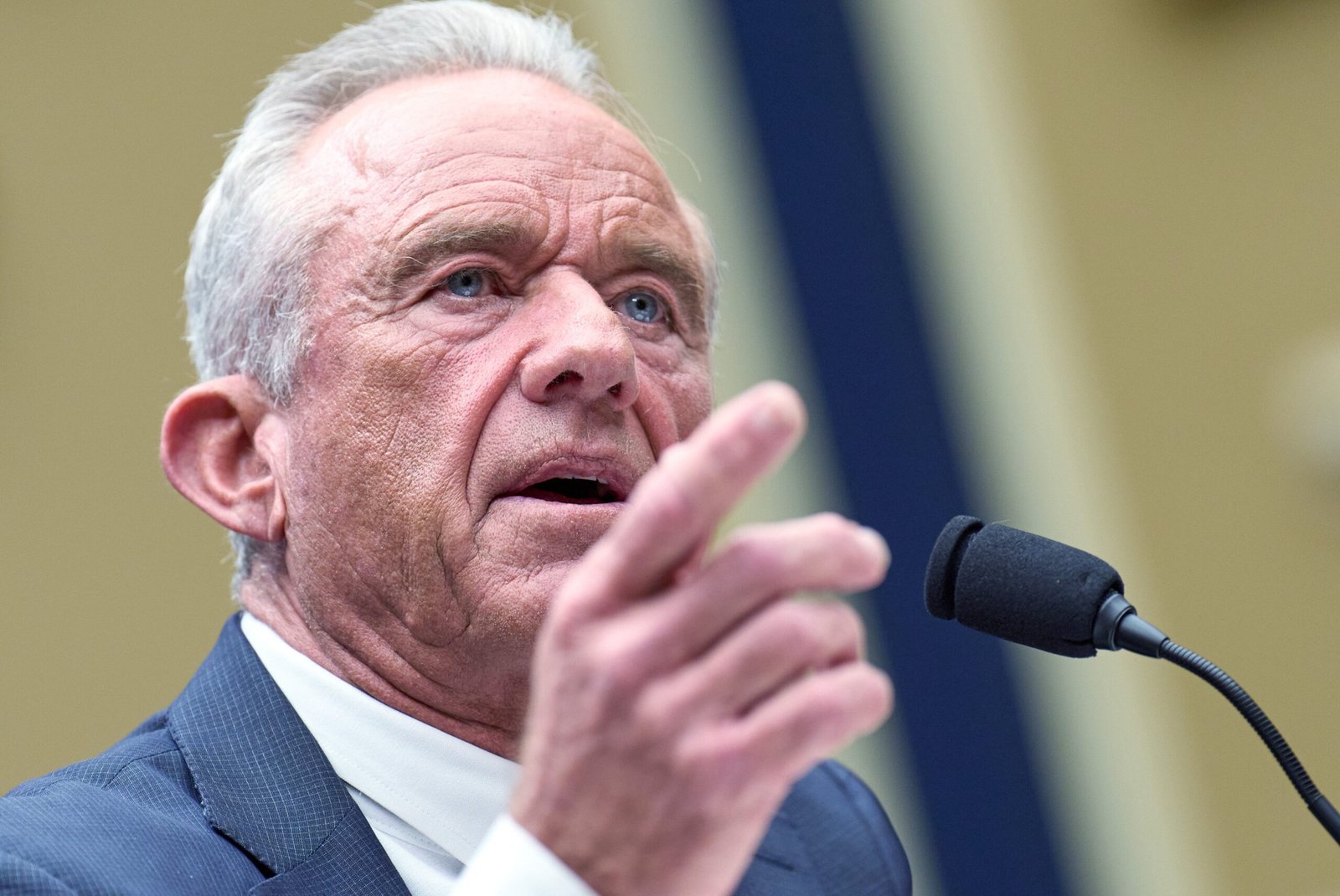
The Department of Health and Human Services has released a request for information that HHS proposes new vaccine categories, potentially reshaping how certain childhood immunizations are scheduled and recommended going forward. The proposal suggests a new classification for shots recommended but not necessarily during infancy.
Health Secretary Robert F. Kennedy Jr. has overseen significant changes to vaccine policy since taking office, including revisions to childhood vaccination schedules and adjustments to how federal health agencies communicate about vaccine safety and effectiveness to the public.
This latest request for information seeks public and expert input on how vaccine recommendations might be restructured, including consideration of whether certain vaccines currently given during infancy might instead be recommended for administration at a later age under the proposed new framework.
Public health experts have expressed a range of reactions to the proposed changes, with some raising concerns about how altering established vaccination timelines might affect protection for infants during a particularly vulnerable period of their early development and immune system formation.
Supporters of the proposed changes argue that a more individualized approach to vaccine timing could better account for varying family circumstances and individual health considerations, potentially increasing overall comfort and participation in vaccination programs among hesitant parents.
Critics counter that established vaccination schedules were developed based on extensive research into when children face the highest risk from various diseases and when their developing immune systems can most effectively respond to vaccination, cautioning against changes made without similarly rigorous scientific backing.
This proposal follows a series of other significant changes to vaccine policy under the current health secretary, including revisions to advisory committee structures and modifications to how certain vaccines are recommended for different population groups based on age and risk factors.
Medical organizations have continued closely monitoring these policy developments, with some professional groups expressing concern about the pace and direction of changes to long established vaccine recommendation frameworks that have historically been based on extensive peer reviewed research.
The health secretary has previously affirmed support for certain vaccines even while pursuing broader changes to vaccine policy more generally, creating what some observers describe as a complex and at times seemingly contradictory approach to immunization policy under his leadership.
Public comment periods associated with these kinds of federal health policy proposals typically allow various stakeholders, including medical professionals, parent groups, and researchers, to weigh in before any final decisions are made regarding actual implementation of proposed changes.
As this proposal moves through the public input process, attention will remain focused on how significantly any eventual changes might affect established vaccination practices across the country. Given the sensitivity surrounding childhood immunization policy, this proposal is likely to generate substantial ongoing discussion among healthcare providers, parents, and public health officials in the weeks ahead.
