

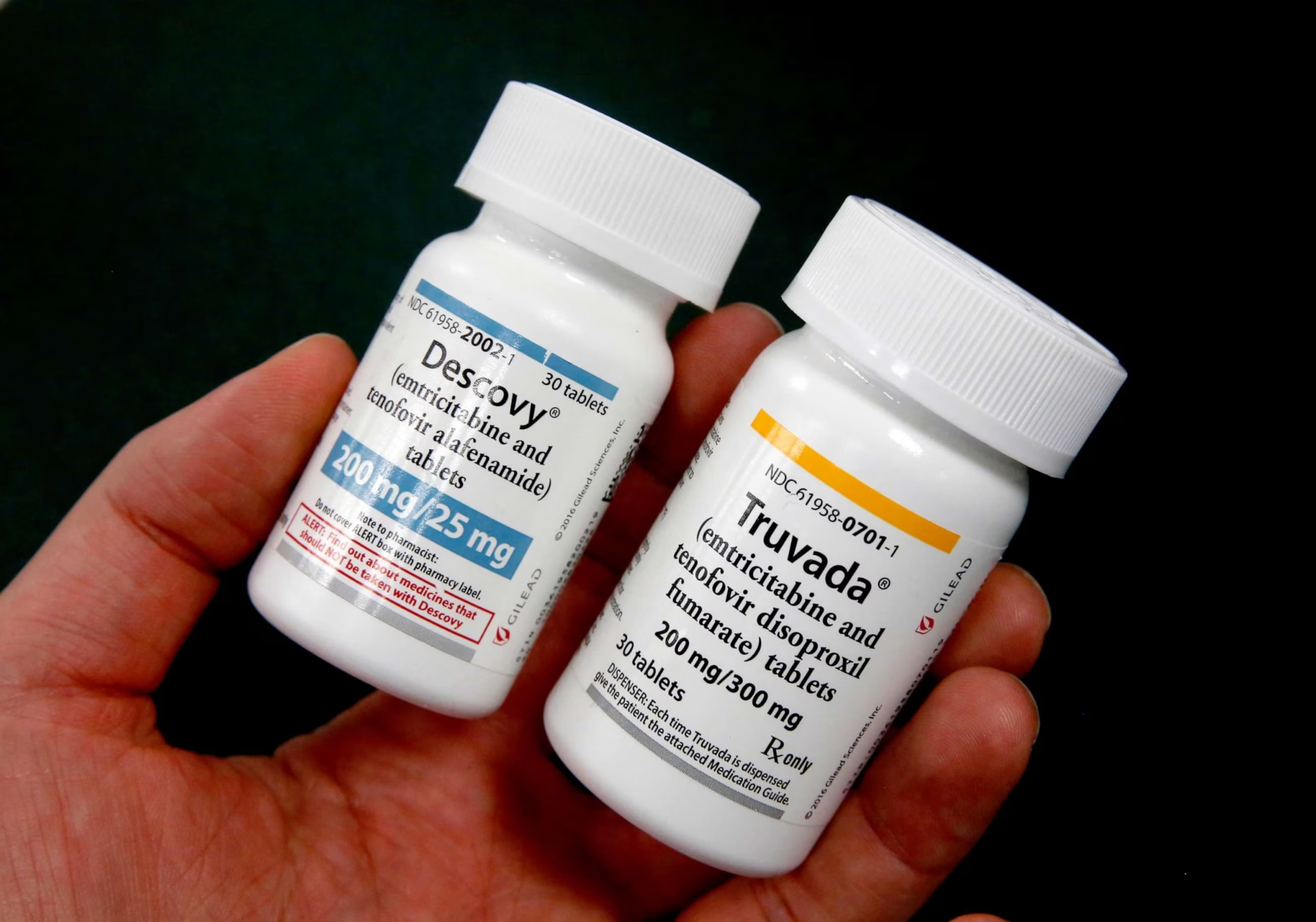
Health regulators have approved a new once-daily pill for people living with HIV. The drug is designed for adults whose virus is already under control but who still take several pills each day.
The new tablet combines two existing medicines into one small pill. One part comes from a widely used HIV drug. The other is a newer type of medicine that works in a different way. Together, they attack the virus at multiple stages of its cycle.
This is the smallest single pill option now available for HIV treatment. That may sound like a small detail, but it matters a lot to patients. Smaller pills can be easier to swallow, especially for people who take many medications each day.
The approval focuses on a specific group of patients. These are adults whose HIV levels are already very low, but who cannot use current one-pill treatments. This might be due to drug resistance or trouble tolerating other medicines. Until now, many of these patients had few simple options.
Company data suggests this group makes up a meaningful share of people living with HIV in the country. Estimates suggest it could be five percent or more of that population. For years, these patients had to rely on multiple tablets, often taken at different times of the day.
Clinical trials tested the new pill in a wide range of patients, including many older adults. Trial results showed positive results for those who switched from more complex treatment plans. Some patients also saw improvements in other health measures, such as cholesterol levels.
The company behind the drug says this approval could be the first of several new options coming in future years. It has a wider group of treatments in development, including some designed to work for much longer stretches between doses. This could someday reduce the need for daily pills altogether.
There is no cure yet for HIV. Ongoing treatment remains essential to keep the virus suppressed and prevent illness. This makes daily adherence extremely important for long-term health.
Cost remains a concern for many patients. The new pill carries a price near the level of other single-tablet options already on the market. That price does not include any discounts or rebates, which can vary by insurance plan or assistance program.
Doctors say having more treatment options is valuable, since no single pill works well for everyone. Some patients cannot tolerate certain drug combinations. Others develop resistance to specific medicines over time. A wider range of choices helps doctors design better plans for each patient.
Patient reactions have been largely positive so far. Simplifying a daily routine can make a real difference in quality of life. Fewer pills often means fewer chances to miss a dose, which helps keep the virus under control long term.
Public health experts say new treatment options also support broader efforts to manage HIV as a long-term, manageable condition rather than a life-threatening emergency. Continued research and access to newer drugs remain key parts of that ongoing effort.
The approval marks another step forward in a field that has changed dramatically over the past few decades. What was once a complex, multi-pill daily routine is slowly becoming simpler for more patients each year.
