
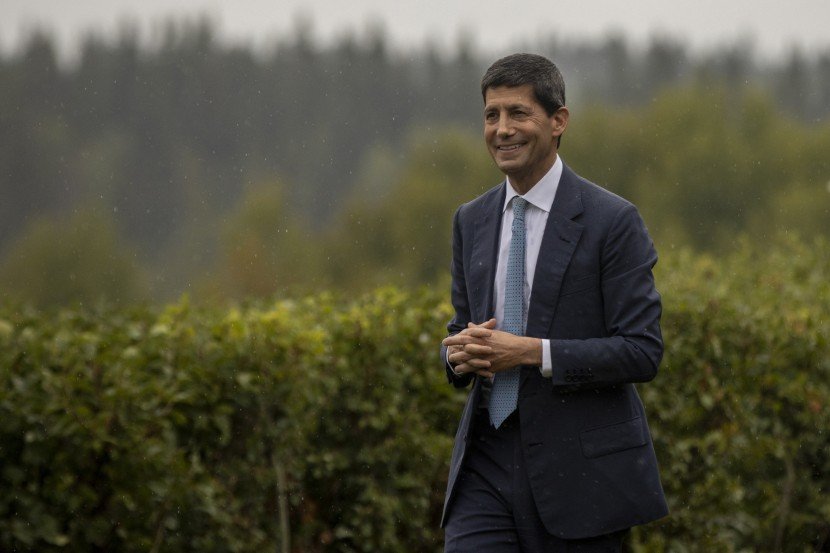
The head of the central bank gave a clear warning this week. He said inflation is still too high. His words raised the odds of a rate hike as soon as next month.
The speech took place at a yearly economic gathering in Wyoming. Markets watched closely. Many investors had expected a softer tone. Instead, they got a firmer one.
He said prices are still rising faster than the bank wants. He pointed to data showing yearly price growth above three percent. He called this level unacceptable for long-term stability.
He also said the bank’s main job is to keep prices steady. He stressed that interest rates remain the primary tool for that job. This was seen as a signal that a rate increase is now firmly on the table.
Traders reacted almost instantly. Betting markets showed the chance of a rate hike next month jumped sharply after the speech. Before his remarks, the odds were much lower. By the end of the day, more than half of traders expected a hike.
Bond yields moved quickly too. Short-term rates rose as traders priced in tighter policy. Longer-term rates dipped slightly, a pattern often seen when investors expect near-term action followed by future stability.
Stocks also responded. Major indexes gained ground after the speech, as investors welcomed more clarity from the bank’s leader. Confusion about his views had unsettled markets in recent months. This speech offered a clearer signal, even without a firm promise.
Not everyone agrees a hike will happen soon. Some analysts believe the bank will hold rates steady in the short term and wait for more data. They argue that recent monthly price reports have shown some signs of slowing, even if yearly numbers remain high.
Other experts think a hike is likely, but perhaps not right away. They expect the bank to act later in the year, once more inflation reports come in. This would give policymakers time to confirm the trend before making a move.
The political backdrop adds pressure. The current president has pushed hard for lower rates, not higher ones. He wants borrowing to stay cheap to support growth. The bank’s leader has resisted that pressure, insisting decisions should rest on data, not politics.
There is also debate about how clearly the bank should signal its next steps. Some economists want firm guidance so markets know what to expect. Others prefer flexibility, arguing that clear promises can trap policymakers if conditions change quickly.
For everyday people, the outcome matters a great deal. Higher rates make loans, mortgages, and credit card debt more expensive. They can also slow hiring and wage growth. Lower rates ease those costs but risk letting prices climb further.
Businesses are watching too. Companies that rely on borrowing for expansion could face higher costs if rates move up. Retailers and manufacturers are also watching consumer spending, which has stayed strong despite high prices.
For now, all eyes turn to the next major policy meeting. Investors, businesses, and everyday borrowers all want the same thing: clarity. Whether that comes as a rate hike or another pause, the coming weeks should reveal which path the bank finally takes.
