

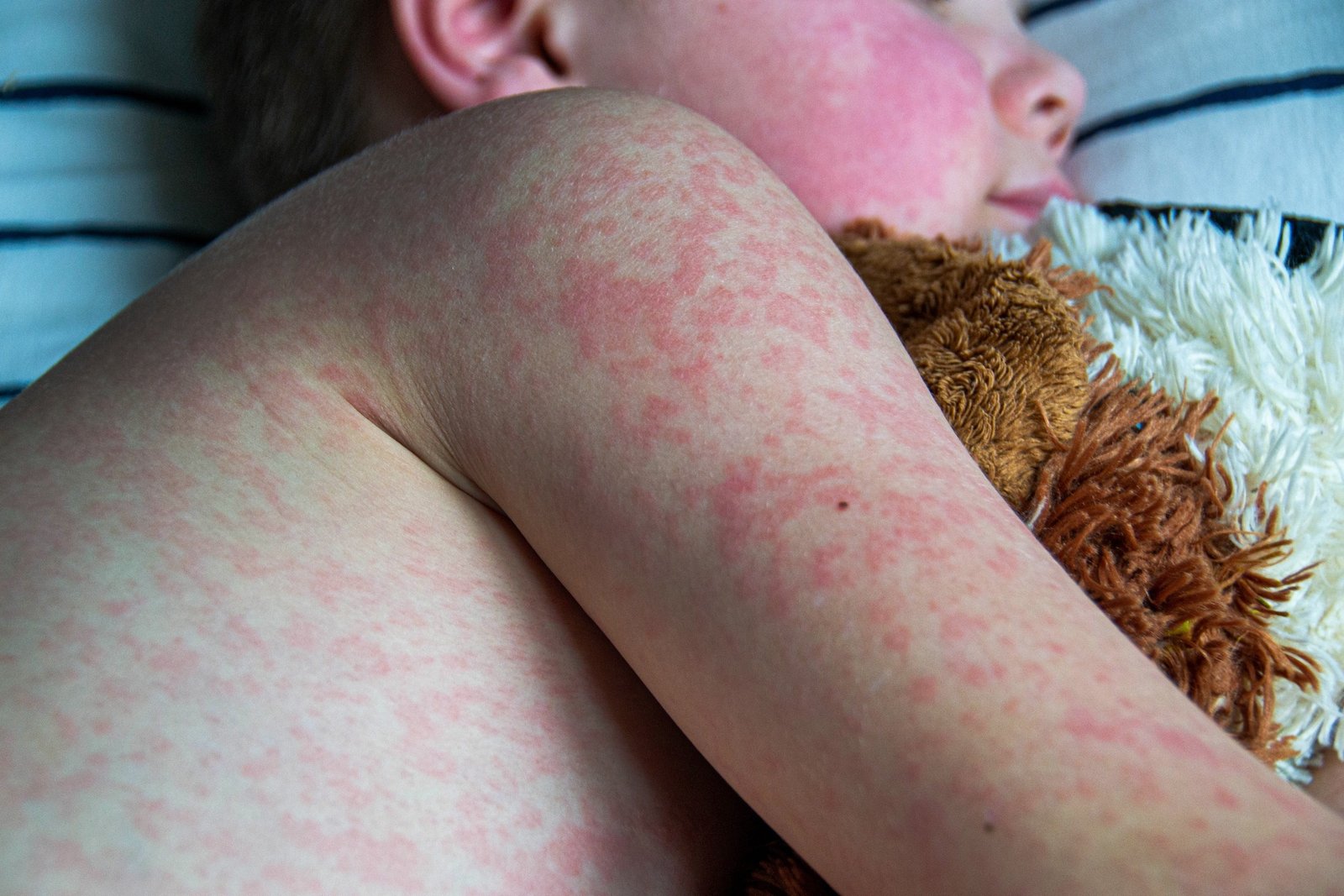
Measles cases in the United States continue to climb this year. Health officials report more than 3,400 confirmed cases so far in 2026. This marks one of the highest yearly totals in recent memory.
Officials say falling vaccination rates are a major factor. Fewer young children are receiving the measles vaccine compared to past years. This has left more communities vulnerable to outbreaks.
The measles vaccine remains highly effective and safe. When enough people in a community are vaccinated, the disease struggles to spread. This protection is often called community immunity or herd immunity.
Data shows vaccination rates among kindergartners have dropped in recent years. Coverage fell from over 95 percent a few years ago to just above 92 percent now. That gap may seem small, but it leaves many children unprotected.
Health experts estimate hundreds of thousands of kindergartners are currently at risk. Without enough vaccinated children in a school or community, outbreaks can spread quickly. Even one unvaccinated child can start a chain of new infections.
Measles is highly contagious and spreads through the air. Symptoms often begin with fever, cough, and a runny nose. A rash typically appears a few days after the first symptoms show up.
In rare but serious cases, measles can lead to severe complications. These include pneumonia and swelling of the brain. Young children and people with weak immune systems face the highest risk.
Public health teams are working to boost vaccination rates again. Local clinics are offering more appointments for parents who missed earlier shots. Officials stress that it is never too late to catch up on vaccines.
Doctors continue to encourage two doses of the measles vaccine for children. The first dose is usually given around one year of age. The second dose typically follows a few years later, before starting school.
Travel has also played a role in some recent outbreaks. Measles remains common in parts of the world with lower vaccination rates. Travelers can bring the virus home and spread it in under-vaccinated communities.
Schools and daycare centers are key places where outbreaks often start. Close contact among young children makes it easy for the virus to move quickly. Some schools have reported temporary closures during active outbreaks this year.
Health officials continue tracking new cases closely through weekly reports. They update public data often so parents and schools can stay informed. Quick reporting helps local health teams respond faster to new clusters.
Experts say the path forward is clear. Restoring higher vaccination rates could help bring outbreaks under control. Until that happens, health officials warn that measles cases may continue climbing in the months ahead. Parents are urged to check their children’s vaccine records soon.
