

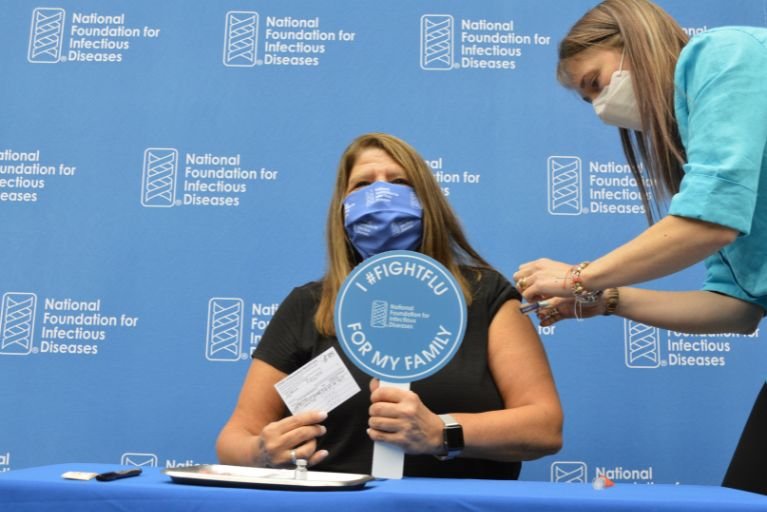
As autumn approaches, health officials continue encouraging early flu vaccination this season, recommending that people schedule their annual flu shots in the coming weeks before seasonal influenza activity typically begins increasing across communities throughout the country.
Health experts note that vaccination generally requires about two weeks to build full immune protection, making early September through October an ideal window for getting vaccinated before flu activity typically peaks during the winter months in most regions of the country.
This year’s flu vaccine formulation has been updated based on global surveillance data tracking circulating influenza strains, reflecting the standard annual process public health officials use to develop vaccines targeting the strains most likely to spread during the upcoming flu season.
Certain populations face particularly elevated risk from influenza infection, including young children, elderly adults, pregnant women, and individuals with certain chronic health conditions, making vaccination especially important for these groups who face higher risk of serious complications.
Healthcare providers emphasize that annual vaccination remains necessary since flu viruses continually evolve, meaning immunity from previous vaccinations or infections does not provide reliable protection against the specific strains expected to circulate during any given flu season.
Pharmacies and healthcare facilities across the country have expanded vaccination accessibility in recent years, offering convenient options including walk in appointments and extended hours designed to make it easier for people to receive their annual flu vaccination without significant scheduling burden.
Public health messaging continues emphasizing that flu vaccination provides benefits beyond individual protection, potentially reducing overall community transmission and helping protect vulnerable individuals who may face higher risk from infection or who cannot receive vaccination themselves.
Workplace vaccination programs have become increasingly common, with many employers offering on site flu shot clinics as a convenient benefit that supports employee health while also potentially reducing illness related absences during the flu season affecting workplace productivity.
Combination approaches to respiratory illness prevention continue receiving attention from health officials, with flu vaccination representing one component of broader recommended practices including good hand hygiene and staying home when experiencing symptoms of respiratory illness.
Healthcare providers note that mild side effects like soreness at the injection site or brief fatigue occasionally occur following vaccination, though these effects are generally much less severe than symptoms associated with actual influenza infection, which can include high fever and significant illness duration.
As flu season approaches, health officials continue emphasizing that vaccination remains one of the most effective tools available for reducing personal risk and supporting broader community health throughout the coming months. People are encouraged to consult healthcare providers about the appropriate timing for their own vaccination this season.
