

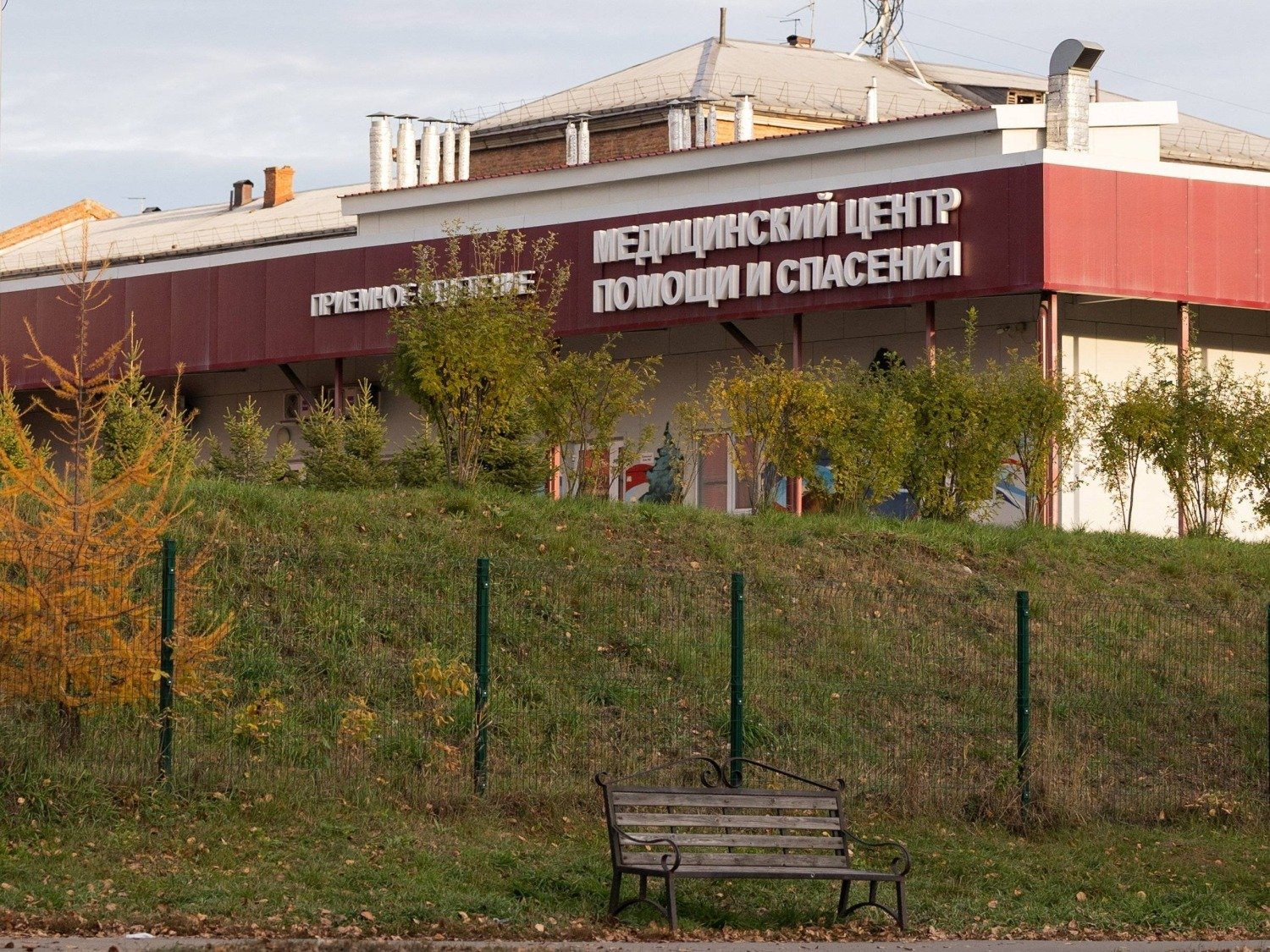
Dozens of people have been placed under quarantine in Siberia after a worker at a plague research institute died following an illness. The case has raised public health concerns in Russia, while the World Health Organization says the risk to the wider public appears to remain low. The worker was employed at the Irkutsk Anti Plague Research Institute in Siberia and the Far East, where she became ill and later died under circumstances that have not been fully explained.
Russian authorities moved quickly after the death. People who may have been exposed were placed under quarantine while health officials investigated what happened, and the head of Russia’s health watchdog also traveled to the Irkutsk region to oversee the response. The death created concern on social media because the institute studies plague, a serious bacterial disease.
Plague is caused by the bacterium Yersinia pestis. It can spread through infected animals and fleas and can cause severe illness if it is not treated, although the disease can be treated with antibiotics when it is found early. The WHO said that based on the information available, the risk to the general population appears low and that it would conduct another assessment if new information became available.
That assessment is important because a death at a research institute does not automatically mean that a wider outbreak has occurred. Health officials still need to establish how the worker became sick and whether anyone else was exposed. Authorities have reported conflicting details about the case, while officials said the 28 year old worker died from pneumonia, adding to the public interest surrounding the investigation.
Russian authorities have said the situation is under control, with quarantine being used as a safety measure while officials gather more evidence. Quarantine can prevent people who may have been exposed from mixing with the wider population during an investigation. Health workers may also test people who had contact with the worker as they try to determine whether anyone else has developed symptoms.
The case is receiving international attention because plague research facilities handle dangerous bacteria under strict safety rules. Research workers must follow protective procedures when dealing with infectious organisms, but accidents and illnesses can still occur. This is why health authorities monitor possible exposures and take precautionary steps when a worker becomes seriously ill or dies.
The United States is also watching the situation. US Secretary of State Marco Rubio said Washington was monitoring the case but did not believe it was a reason for public alarm. He said the situation deserved attention because infectious diseases can spread quickly if they escape local control.
Siberia has a long history of plague in wild animals, with the bacteria able to exist in small mammals and their fleas in parts of the region. Human cases are rare, however, and the current investigation is focused on understanding the source of the worker’s illness. Officials will need to determine whether the illness was connected to her work at the research institute or resulted from another cause.
The October 6 report shows why unusual deaths at infectious disease facilities can receive immediate attention. The use of quarantine does not mean that a major outbreak has been confirmed, as it is a precaution used while officials check possible exposure. The WHO’s current assessment should also reduce some public fear, although more information will be needed before the investigation can be closed.
Health authorities are expected to continue monitoring the people placed under quarantine and review any new signs of illness. Officials will also need to examine the circumstances surrounding the worker’s death and determine whether any additional measures are necessary. For now, the available evidence does not show a wider public health emergency.
The case remains under investigation, but authorities are taking steps to prevent possible spread while they work to establish exactly what happened at the Siberian research institute. Further findings could provide a clearer picture of the worker’s illness and whether it was connected to her work, while continued monitoring will help determine whether the situation remains contained.
