

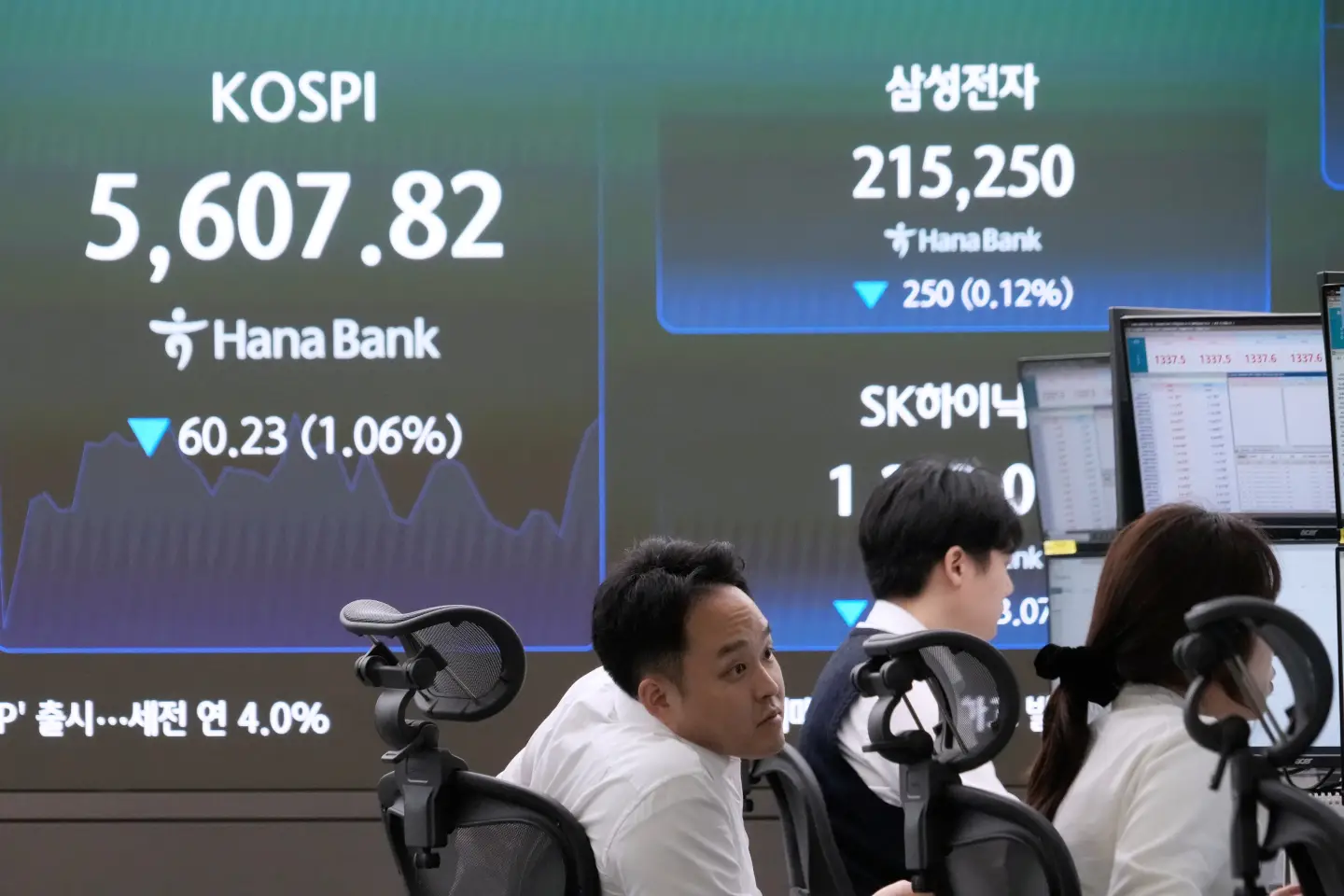
Technology shares remained under pressure as investors weighed the promise of artificial intelligence against the high cost of building and expanding AI systems. Markets have been volatile as traders question whether the revenue from new products will be enough to justify the large sums that companies are spending on computing power and infrastructure.
AI has become a major focus for technology companies. Firms are investing in data centres, specialised chips, software and services designed to support advanced models. Supporters believe these tools can improve productivity and create new markets. But the spending is substantial, and investors want evidence that it can produce lasting returns.
The concern is not that AI has no practical value. It is whether the pace of investment matches the demand that businesses and consumers will ultimately generate. If companies build capacity faster than customers adopt their services, revenue may fail to keep up with costs. That could put pressure on profits and share prices.
Asian markets reflected the uncertainty on Monday. Technology-related companies faced selling pressure in some markets, while other indexes moved higher after economic data from China offered a more positive signal. The mixed performance showed that investors were responding to several forces rather than one simple trend.
Attention is also turning to upcoming earnings reports from major US technology companies. Investors will look for revenue growth, spending plans and guidance on future demand. Large capital commitments may be easier to defend when companies can show that customers are paying for AI services and that new products are improving productivity.
For smaller firms, the challenge may be even greater. Access to chips and computing capacity can be expensive, while competition from large platforms may make it harder to earn a profit. At the same time, companies that invest too little risk falling behind competitors.
The technology sector is likely to remain sensitive to earnings news and changes in investor expectations. AI could still reshape many industries, but the market will increasingly demand proof of commercial results. The next stage of the boom may depend less on bold promises and more on whether the spending can turn into sustainable business growth.
