

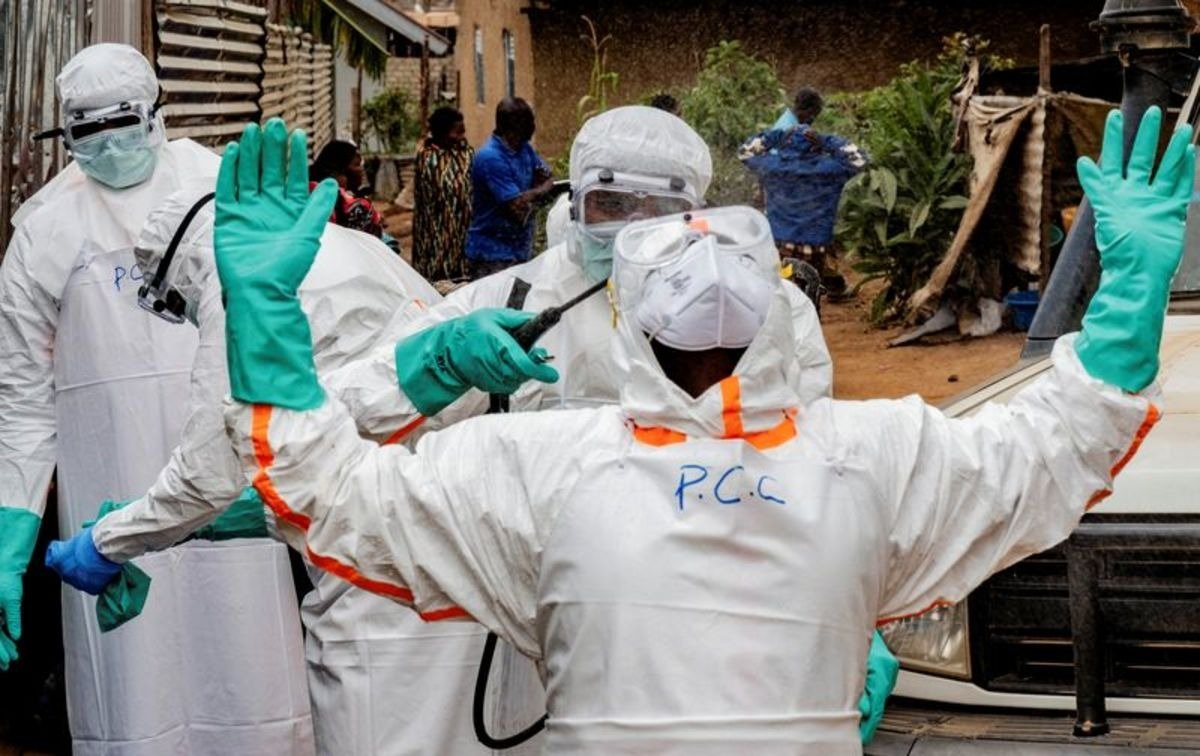
France will increase its support for efforts to control Ebola in the Democratic Republic of Congo as officials work to prevent a wider health crisis. The move was reported on October 4 as concern grows over the possibility of a new spread of the deadly virus.
French Foreign Minister Jean Noel Barrot said France would step up support for work to fight Ebola in eastern Congo. The region has faced years of conflict and weak health services, making disease control more difficult.
Ebola is a serious viral disease. It can cause fever, weakness, vomiting, diarrhea and, in severe cases, heavy bleeding. The virus can spread through contact with the body fluids of an infected person.
Health workers must move quickly when a case is found. Patients need care, while people who have been in contact with them must be identified and watched for signs of infection.
Congo has experience dealing with Ebola outbreaks. The country has faced several major outbreaks in the past and has developed systems for testing, treatment and vaccination. However, armed conflict and poor roads can make it hard to reach communities.
Eastern Congo is especially difficult. Fighting has forced many people from their homes. Large numbers of displaced people often live in crowded areas, where health risks can increase.
The region also faces problems with access to medical care. Hospitals and clinics may lack staff, medicine and equipment. Some communities are far from major cities, which can delay testing and treatment.
France’s support is part of wider international efforts to strengthen health systems and stop the disease before it spreads across borders.
International health groups have learned important lessons from previous Ebola outbreaks. Early detection is one of the most important tools. The faster a suspected case is found, the easier it is to isolate the patient and protect others.
Vaccination can also help. Ebola vaccines have been used during previous outbreaks and can protect people at high risk. Health workers and people who have been in contact with patients may receive priority.
Public trust is another major part of the response. Communities need clear information about how the virus spreads and how people can protect themselves. Fear and false information can make an outbreak harder to control.
Congo’s health teams have often worked under dangerous conditions. Some workers have faced violence while trying to reach affected communities. The wider conflict adds another layer of risk.
France’s decision to increase support shows that Ebola remains a global health concern. A disease that begins in a remote area can spread to other regions if it is not contained.
The response also highlights the link between health and security. Conflict can damage health systems and make it harder to control disease. Strong medical services are therefore important not only for patients but also for regional stability.
Officials will now watch the situation closely. More testing and field work will be needed to understand the scale of the threat.
For Congo, early international help could make a major difference. The goal is to find cases quickly, protect health workers and prevent local infections from becoming a larger outbreak.
France’s support is one part of that effort. The coming weeks will show whether the renewed health work can keep Ebola under control and protect communities already facing serious pressure from conflict and displacement.
