

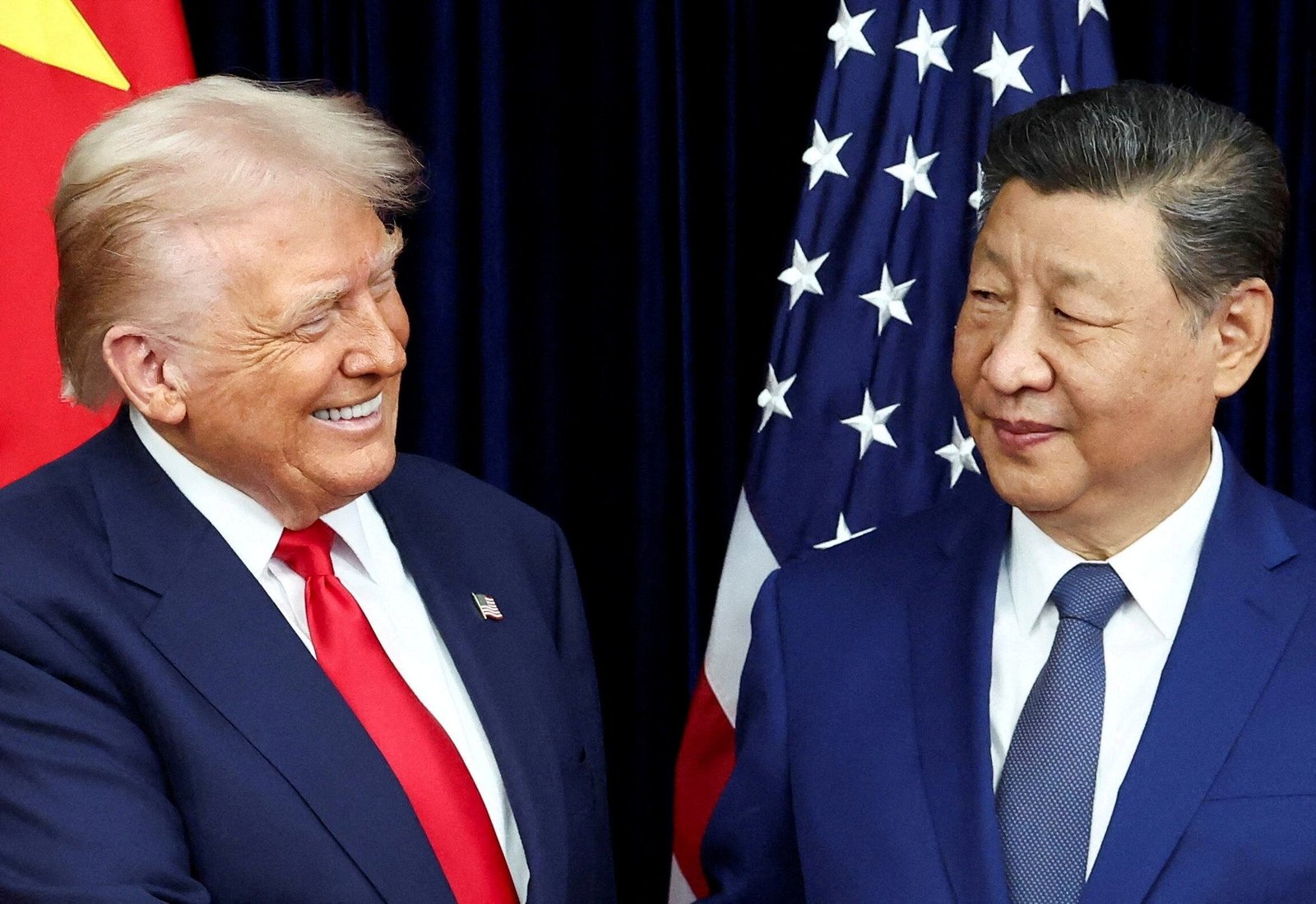
Chinese President Xi Jinping told President Trump during their meetings this week that he sees greater opportunity for cooperation than competition between the United States and China when it comes to artificial intelligence, according to reports of their private discussions during Xi’s historic state visit to Washington. This characterization, offered directly by one of the world’s most powerful leaders during high-stakes bilateral talks, represents a notably conciliatory framing of a technology sector that has otherwise been characterized primarily by intense strategic competition between the two nations throughout recent years.
The comment carries particular significance given the broader context of escalating competition between American and Chinese companies across virtually every dimension of artificial intelligence development, from advanced computing hardware to the large language models increasingly powering consumer and enterprise applications worldwide. Both countries have made massive investments in AI infrastructure and research throughout the current year, with government policy in both nations generally treating AI leadership as a matter of significant strategic importance rather than simply commercial competition.
Despite this competitive backdrop, discussions between American and Chinese officials regarding artificial intelligence safety frameworks have continued developing throughout this year, building on general principles both governments agreed to during the leaders’ previous meeting in Beijing back in May. American officials have reportedly proposed exchanging safety alerts specifically covering AI-related incidents that could affect national security, suggesting at least some appetite on both sides for establishing basic communication channels regarding shared risks associated with increasingly powerful AI systems.
Analysts covering the technology policy dimensions of the relationship note that Xi’s comments this week align with a broader pattern of Chinese officials emphasizing cooperative framing around AI even while continuing to pursue aggressive independent development of the technology. This dual approach, combining rhetorical emphasis on cooperation with continued substantial investment in independent technological capability, reflects a pragmatic strategy that allows China to pursue both diplomatic goodwill and genuine strategic competitiveness simultaneously.
American officials have expressed more cautious optimism regarding the practical prospects for substantive AI cooperation, with some experts suggesting that any formal security agreement covering AI development remains unlikely to emerge from this particular round of summit discussions given the deep underlying strategic tensions that continue to characterize the broader technology relationship between the two countries. This more measured American assessment suggests that Xi’s comments, while diplomatically significant, may not immediately translate into concrete cooperative frameworks.
The broader technology relationship between the two countries continues encompassing numerous other contentious issues beyond AI specifically, including ongoing disputes over rare earth mineral exports critical to advanced technology manufacturing and continued restrictions on technology transfers between the two nations. These broader tensions provide important context for understanding both the significance and the potential limitations of Xi’s comments regarding AI cooperation specifically, suggesting that any progress in this particular area would likely need to occur within a broader framework addressing these other persistent points of friction.
As the relationship between the two countries continues evolving through this pattern of frequent high-level engagement, Xi’s characterization of AI as an area of potential cooperation offers one small but notable data point within a much larger and more complex bilateral relationship. Whether this rhetorical framing eventually translates into meaningful joint action on AI safety and governance, or whether it remains primarily a diplomatic gesture within an otherwise fundamentally competitive technological relationship, will likely become clearer only as both governments continue navigating this critical and rapidly evolving area of strategic importance in the months ahead.
