

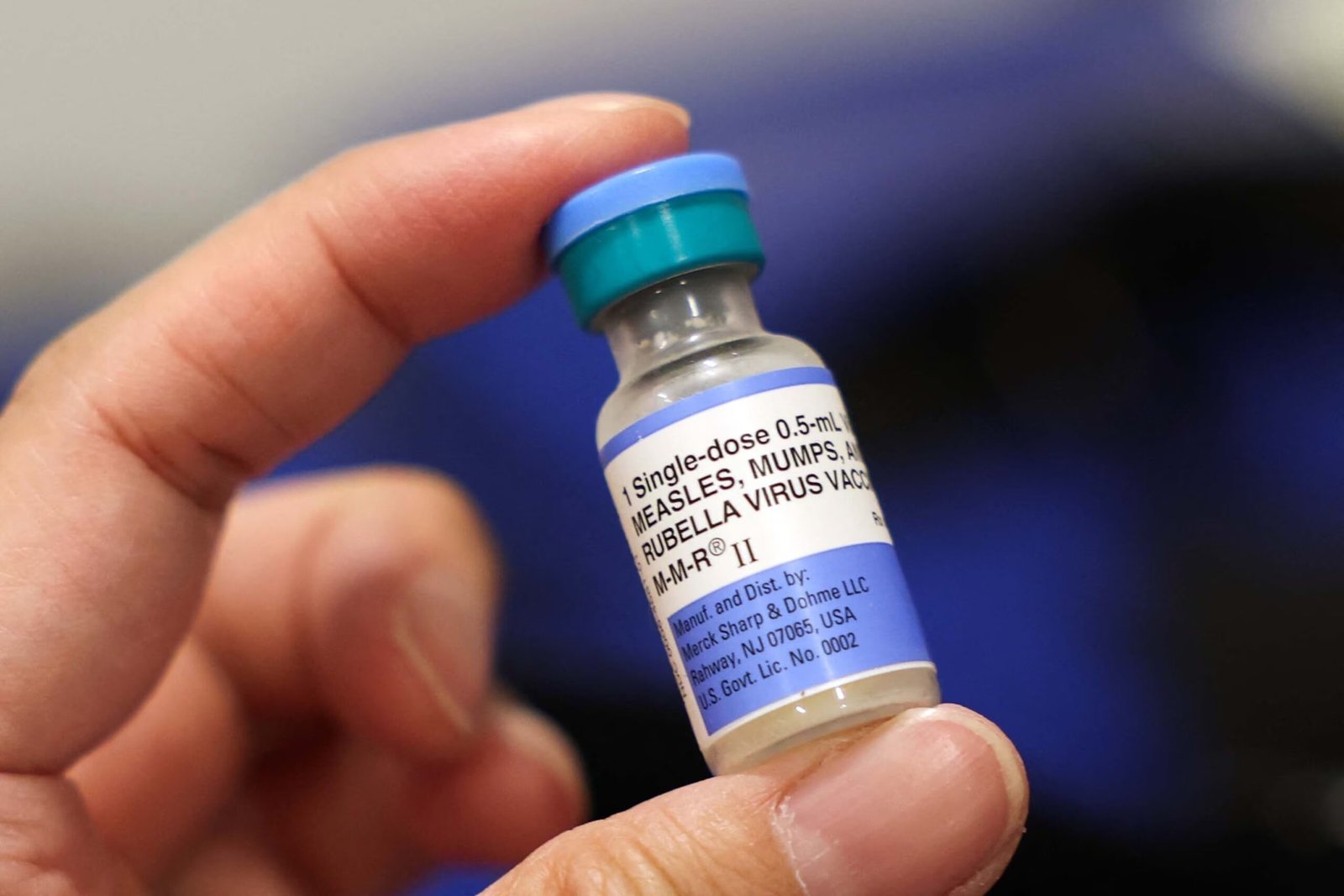
Measles cases continue climbing in Pennsylvania, with state health officials reporting more than eight hundred confirmed cases spread across thirty-nine of the state’s sixty-seven counties as of this week, representing a significant week-over-week increase that has kept the state among the areas most heavily affected by this year’s nationwide surge in measles infections. The continued growth of this particular outbreak has drawn attention from public health experts nationally, given both the scale of the case count and the specific community dynamics that have contributed to its persistence.
Health officials have noted that much of the disease burden within this specific outbreak has concentrated within Amish communities in Lancaster County, populations that historically maintain lower vaccination rates due to religious and cultural considerations that have made these communities more vulnerable to sustained transmission once the disease gains an initial foothold. This pattern illustrates a broader public health challenge that extends well beyond Pennsylvania, as similar under-vaccinated communities in other regions have similarly experienced disproportionate impacts during this year’s broader measles resurgence.
The human toll from this specific outbreak has included more than one hundred sixty hospitalizations and four measles-associated deaths, underscoring the genuine severity that this typically preventable disease can inflict when it spreads through populations with insufficient immunity. Medical professionals treating affected patients have described witnessing case volumes well beyond what they would typically expect to encounter throughout an entire career, given how effectively widespread vaccination had previously controlled measles transmission across most of the country for several preceding decades.
In response to the outbreak’s continued spread, state and local health officials have significantly expanded vaccination outreach efforts, administering thousands of doses of the measles, mumps, and rubella vaccine through numerous pop-up vaccination clinics established specifically to reach affected communities. These targeted outreach efforts represent an important public health response, though officials acknowledge that overcoming deeply rooted vaccine hesitancy within specific cultural communities requires patient, sustained engagement rather than simply making vaccines more physically accessible.
This Pennsylvania outbreak forms part of a broader national pattern this year, with federal health officials reporting nationwide case counts that have now climbed well beyond three thousand six hundred confirmed cases, with the substantial majority of these cases linked to identifiable outbreak clusters rather than occurring as isolated incidents. This concentration within specific outbreak clusters, rather than broad diffuse transmission, suggests that targeted public health interventions within affected communities could meaningfully impact the trajectory of the broader national case count if implemented effectively.
The situation in Pennsylvania also reflects broader international patterns, with several European countries, including the United Kingdom, having lost their formal measles elimination status earlier this year following sustained transmission driven by declining vaccination rates. This international dimension underscores that the challenges facing Pennsylvania and other affected American states reflect broader global trends in vaccine hesitancy and declining immunization coverage rather than representing an isolated domestic phenomenon.
As Pennsylvania health officials continue their expanded vaccination outreach efforts, the coming weeks will prove important in determining whether this particular outbreak can be brought under meaningful control or whether it will continue its current trajectory of steady growth. Public health experts emphasize that restoring higher vaccination coverage within affected communities remains the most reliable path toward ultimately ending sustained measles transmission, even as achieving this goal requires navigating complex cultural and religious considerations within the specific populations most affected by the current outbreak.
