

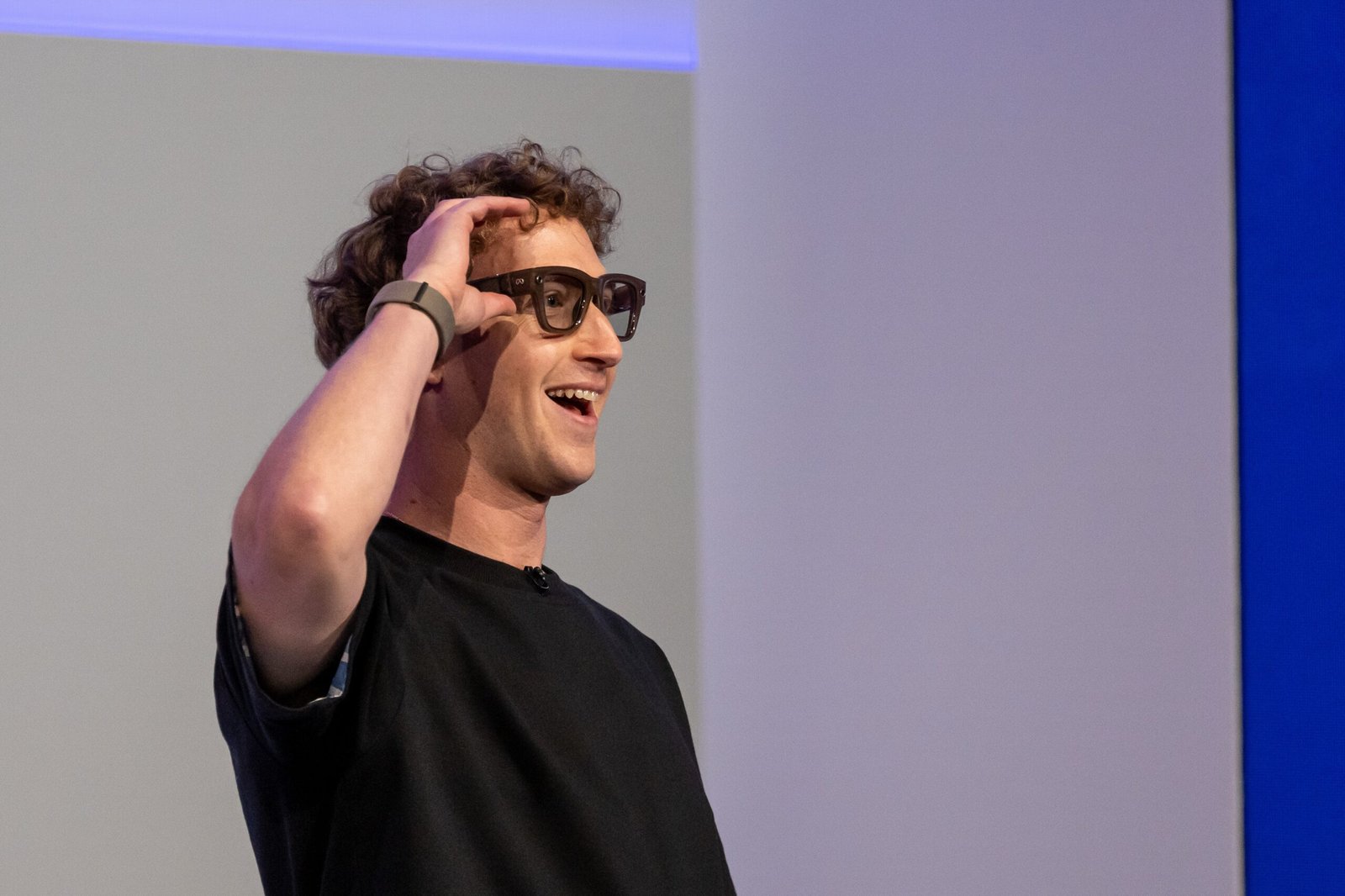
Meta’s annual Connect conference concludes today with its Developer State of the Union presentation, capping off a two-day event that yesterday delivered a heavily anticipated keynote address from chief executive Mark Zuckerberg focused primarily on the company’s expanding smart glasses lineup and continued artificial intelligence development. Today’s session shifts focus toward the more technical audience of software developers who build applications and experiences for Meta’s various hardware platforms, providing deeper implementation details following yesterday’s broader consumer-facing announcements.
Yesterday’s keynote reportedly delivered on months of speculation by unveiling a new pair of camera-free smart glasses, apparently targeting privacy-conscious consumers who want access to the artificial intelligence assistant features that have made Meta’s existing glasses lineup successful, without the camera functionality that has drawn some criticism and privacy concerns in previous device generations. This camera-free approach represents a notable strategic shift for a product line that had previously emphasized visual capture capabilities as a core selling point across earlier device iterations.
Reports ahead of yesterday’s presentation also suggested Meta might reveal further details about a premium mixed reality headset reportedly codenamed internally, with some industry speculation pointing toward a price point somewhere between one thousand and two thousand dollars for this more advanced device. While full specifications and an official product name remained unconfirmed heading into the event, the persistent reporting around this device throughout the lead-up period suggests Meta continues investing in more advanced wearable computing form factors even while shifting primary attention toward its more successful and commercially proven smart glasses product line.
Today’s developer-focused sessions are expected to provide more granular technical guidance for programmers looking to build applications compatible with Meta’s expanding hardware ecosystem, including specific tools for developing web applications that function properly on the company’s display-equipped smart glasses models. Sessions covering virtual reality development continue to feature prominently in today’s agenda as well, despite the company’s broader strategic pivot toward wearables, with specific workshops addressing game engine integration and performance optimization tools designed to streamline the development process for VR content creators.
The broader context surrounding this year’s Connect conference reflects a company still working through significant organizational changes following a challenging period that included canceled internal projects, workforce reductions, and the discontinuation of certain virtual reality initiatives including the company’s flagship Horizon Worlds social platform on VR devices. Today’s developer sessions offer an opportunity for Meta to demonstrate continued commitment to supporting the broader developer ecosystem even as internal priorities have shifted considerably toward artificial intelligence and wearable technology over pure virtual reality experiences.
Artificial intelligence features prominently throughout today’s technical sessions as well, building on yesterday’s keynote emphasis on AI capabilities across the company’s product lineup. Developer tools specifically designed to help programmers integrate Meta’s AI models into their own applications represent a significant focus area, reflecting the broader industry-wide push toward making artificial intelligence capabilities more accessible to third-party developers building on top of major technology platforms throughout the current period of rapid AI advancement.
As this year’s Connect conference draws to a close following today’s developer-focused programming, technology observers will spend the coming days and weeks analyzing exactly how the various announcements fit together into Meta’s broader long-term strategic vision. Whether this year’s event ultimately proves to be a pivotal moment in the company’s ongoing transition toward wearable-centric computing or simply another incremental step along an already established trajectory remains a question that will likely only become fully clear as these various announced products and features actually reach consumers and developers in the months ahead.
